










No products in the cart.
- Latest
- Trending

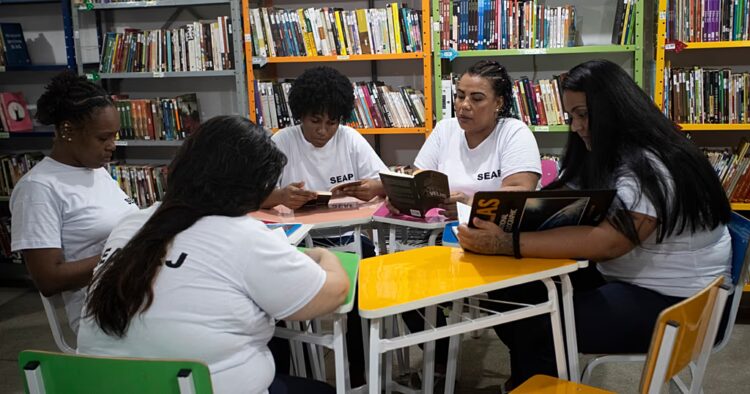
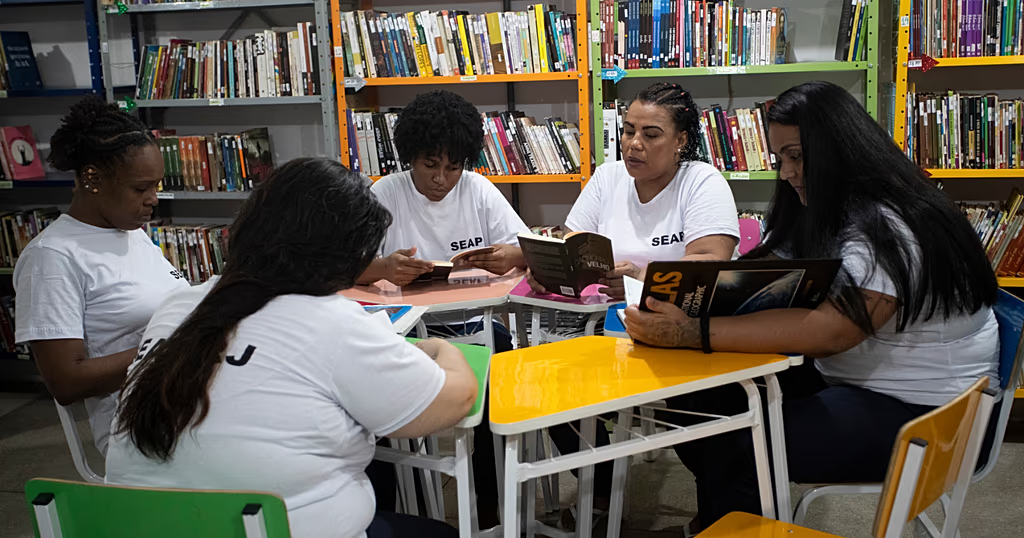
Brazilian inmates reduce sentences through reading
Comprehensive Summarization:
The article discusses a program in Brazil that allows inmates, including former President Jair Bolsonaro, to reduce their prison sentences by up to 48 days per year by reading books. The program, which has seen participation from tens of thousands of detainees, was the catalyst for 33-year-old Brazilian woman Emily de Souza to resume her habit of reading. Her motivation was further fueled by the prospect of reuniting with her 9-year-old autistic son, who is being cared for by her mother and aunt. This initiative not only offers a unique approach to rehabilitation but also highlights the potential of literary programs in the prison system to improve inmates’ lives and reduce their sentences.
Key Points:
Actionable Takeaways:
Innovative Rehabilitation Programs: The article presents a novel approach to prison rehabilitation through literary programs. For the travel industry, this could inspire the development of similar programs that leverage cultural and educational activities to rehabilitate individuals, potentially reducing recidivism rates and offering a unique selling point for travel services aimed at reintegration programs.
Utilizing Literary Programs for Sentencing Reduction: The success of such a program in Brazil suggests its potential for adoption in other jurisdictions. Travel industry stakeholders could explore partnerships with correctional facilities to offer literary or cultural experiences as part of their rehabilitation services, aligning with global trends towards humane and effective incarceration practices.
Contextual Understanding:
The article reflects a growing trend in the criminal justice system towards rehabilitative measures that emphasize education and personal development over punitive measures. This aligns with broader industry trends in the travel sector, where there is an increasing focus on responsible tourism, cultural exchange, and educational travel experiences. The integration of literary programs within correctional facilities could serve as a model for travel companies looking to offer meaningful experiences to travelers who are part of reintegration or rehabilitation programs. Furthermore, the article underscores the importance of leveraging technology and literature to foster personal growth, a theme that resonates with the rise of digital nomadism and remote learning in the travel industry.
Handling Different Article Types:
The article is a news brief, providing factual information about a specific program and its impact. The structured output format ensures that the key points and actionable insights are clearly delineated, making it easy for professionals in the travel industry to digest and act upon the information. The contextual insights draw parallels between the rehabilitative approach in the article and broader trends in the travel sector, offering a forward-looking perspective on how similar initiatives could be adapted within the industry.
Read the Complete Article.
Get curated travel AI insights — choose the newsletters that matter to you.
ALTOUR Expands into Thailand, Strengthening Corporate Travel Network Across Southeast Asia BANGKOK, THAILAND (25 March, 2026) – ALTOUR, a leading...
Read moreDetails


Comprehensive Summarization: The article discusses the significant impact of the Gen-Z uprising on Bhadra 23 on Nepal's tourism sector. This...
Read moreDetails