






No products in the cart.
- Latest
- Trending

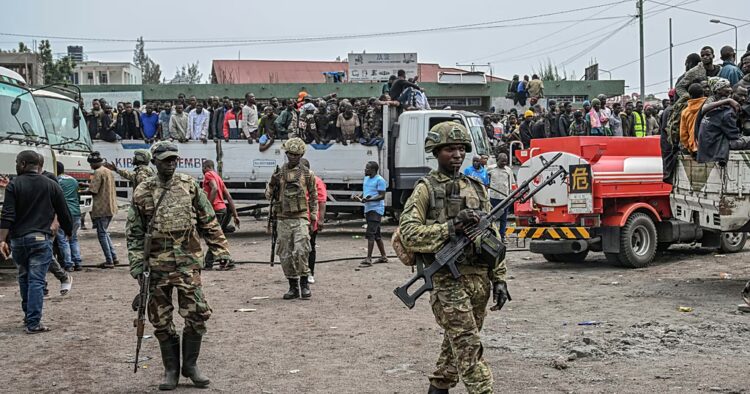
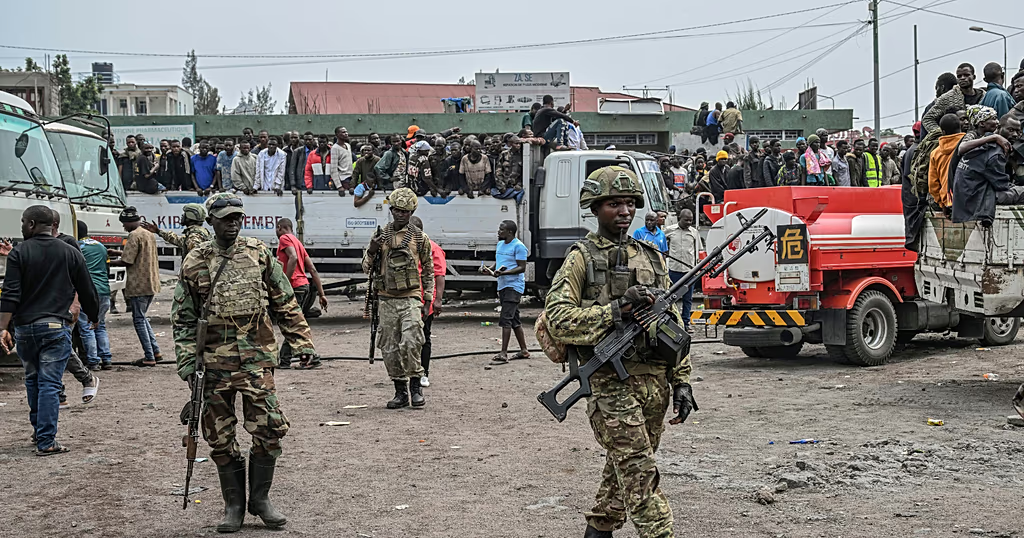
Renewed fighting near Uvira raises tensions in Eastern DR Congo
Article Summary:
The article reports renewed tensions in eastern Democratic Republic of Congo, specifically around the city of Uvira in South Kivu province. Clashes broke out on Saturday between the Congolese army supported by Wazalendo fighters and AFC/M23 rebels allied with the Twirwaneho group. Multiple United Nations reports indicate that these armed groups are backed by Rwanda. Witnesses describe heavy weapons fire in highland areas and residential neighborhoods, with activity continuing in central Uvira.
Key Points:
Actionable Takeaways:
Contextual Insights:
The article highlights the ongoing instability in eastern Democratic Republic of Congo, a region that has seen significant conflict in recent years. The involvement of multiple armed groups, including those backed by external actors like Rwanda, underscores the complexity of the situation. For the travel industry, this context emphasizes the need for robust risk management strategies, including real-time monitoring of security developments and the ability to quickly adapt travel itineraries. Additionally, the article aligns with current travel trends focusing on safety and security, suggesting that innovations in travel tech, particularly in security and risk assessment, are becoming increasingly important. Startups in fintech and travel tech should consider how their solutions can address the unique challenges posed by such volatile regions, potentially offering services that enhance traveler safety and operational resilience.
Read the Complete Article.
Get curated travel AI insights — choose the newsletters that matter to you.
This spot is reserved for brands with a compelling story for the travel trade. They use this space to cut...
Read moreDetailsALTOUR Expands into Thailand, Strengthening Corporate Travel Network Across Southeast Asia BANGKOK, THAILAND (25 March, 2026) – ALTOUR, a leading...
Read moreDetails


Comprehensive Summarization: The International Air Transport Association (IATA) has emphasized three critical priorities for the global air cargo industry: accelerating...
Read moreDetails