





No products in the cart.
- Latest
- Trending

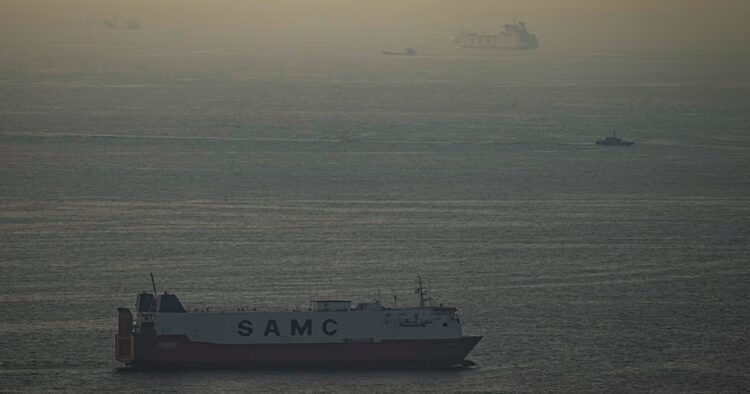
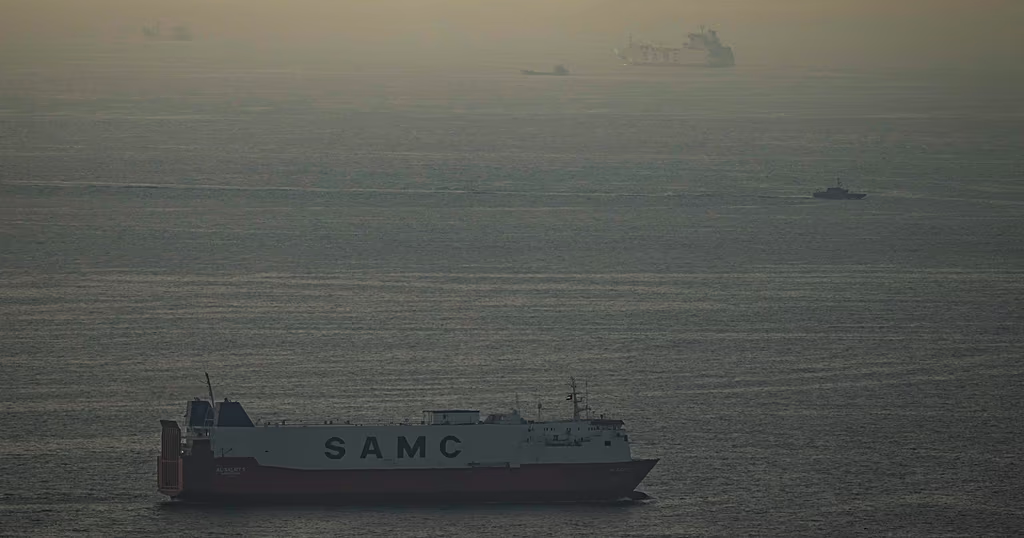
Gulf council accuses Iran of charging ships to transit Strait of Hormuz
Comprehensive Summarization:
The article discusses a statement made by Jasem Mohamed al-Budaiwi, the Secretary-General of the Gulf Cooperation Council (GCC), accusing Iran of charging fees for guaranteeing safe passage through the Strait of Hormuz. This accusation comes amid heightened tensions following the US and Israel’s war on Iran, which has led to a de facto blockade of the Strait. Approximately 20-25% of the world’s oil and liquefied natural gas (LNG) typically passes through this waterway, making it a critical chokepoint for global energy supply. The article underscores the geopolitical implications of this situation and its potential impact on global trade and energy markets.
Key Points:
Actionable Takeaways:
Impact on Global Energy Markets: The blockade of the Strait of Hormuz could lead to disruptions in oil and LNG shipments, causing volatility in global energy markets. This situation may prompt oil-producing nations to seek alternative shipping routes or increase production to compensate for potential supply shortages. Relevance: Understanding these dynamics is crucial for investors and policymakers in the energy sector to anticipate market fluctuations and adjust strategies accordingly.
Geopolitical Risks for GCC Nations: The situation highlights the geopolitical risks faced by GCC nations, particularly in maintaining secure trade routes. These nations may need to enhance their diplomatic efforts and security measures to mitigate risks associated with the Strait’s blockade. Relevance: For businesses and investors with operations in the GCC region, this underscores the importance of geopolitical risk assessment and contingency planning to safeguard against potential disruptions.
Contextual Insights:
The article reflects the current geopolitical climate, where tensions between major powers can have far-reaching impacts on global trade and energy security. The blockade of the Strait of Hormuz is a stark reminder of how critical energy corridors can become flashpoints for conflict. In the context of the travel industry, this situation may lead to increased scrutiny of shipping routes and potential shifts in travel and logistics strategies. Thought leaders in the travel sector might advise stakeholders to diversify supply chains and explore alternative routes to mitigate risks associated with such geopolitical events. Additionally, the article aligns with the broader trend of increased focus on energy security and the resilience of global supply chains, areas that are gaining attention from both industry experts and policymakers.
Handling Different Article Types:
The provided article is a news blurb, offering factual information about a recent development in the geopolitical landscape affecting the travel and energy sectors. The analysis and insights generated are tailored to this type of content, focusing on factual accuracy, actionable insights, and contextual understanding relevant to the travel industry.
Read the Complete Article.
Get curated travel AI insights — choose the newsletters that matter to you.
This spot is reserved for brands with a compelling story for the travel trade. They use this space to cut...
Read moreDetailsALTOUR Expands into Thailand, Strengthening Corporate Travel Network Across Southeast Asia BANGKOK, THAILAND (25 March, 2026) – ALTOUR, a leading...
Read moreDetails


Comprehensive Summarization: The article discusses a statement made by Jasem Mohamed al-Budaiwi, the Secretary-General of the Gulf Cooperation Council (GCC),...
Read moreDetails