





No products in the cart.
- Latest
- Trending

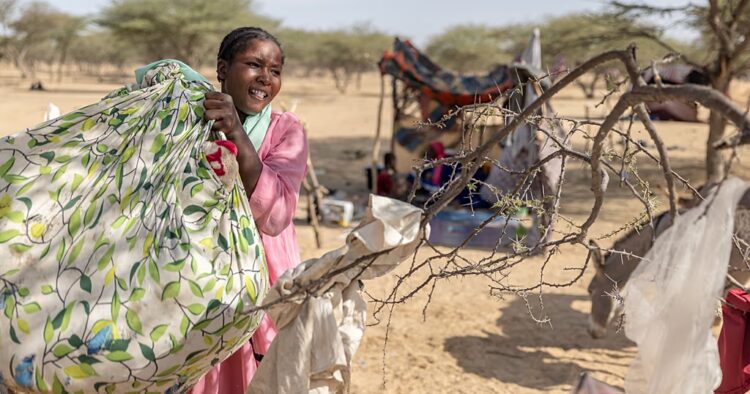
Russian-led Africa corps accused of atrocities in Mali
Article Summary:
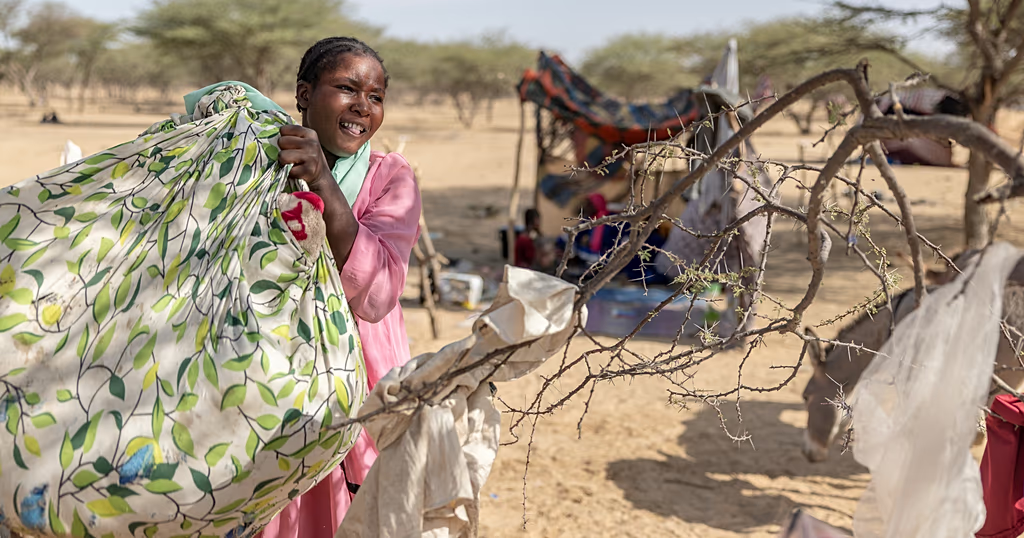
The Associated Press (AP) has gained rare access to a refugee camp in Mali, where Malians have accused the Africa Corps, a new military unit under Russian control, of abuses. This unit replaced the Russian mercenary group Wagner, which had been assisting the military governments of Mali, Burkina Faso, and Niger in their fight against militants linked to al-Qaida and the Islamic State in the Sahel region. The region is described as the deadliest place in the world for extremism, with civilians caught in the crossfire. The United Nations has reported abuses on all sides, but the allegations against Africa Corps are new, making this report significant.
Key Points:
Actionable Takeaways:
Contextual Insights:
The article reflects the current state of conflict and humanitarian challenges in the Sahel region, a critical area of focus for global security and humanitarian organizations. The shift from Wagner to the Africa Corps underscores the evolving dynamics of military interventions in the region. This context is crucial for understanding the implications of the reported abuses and the broader implications for regional stability and security. In the travel industry, these developments highlight the importance of risk assessment and the need for robust safety measures for travelers in conflict-affected areas. The focus on humanitarian aid and conflict resolution also aligns with emerging trends in travel tech, such as the development of apps and platforms that provide real-time safety information and assistance to travelers in crisis zones.
Read the Complete Article.
Get curated travel AI insights — choose the newsletters that matter to you.
ALTOUR Expands into Thailand, Strengthening Corporate Travel Network Across Southeast Asia BANGKOK, THAILAND (25 March, 2026) – ALTOUR, a leading...
Read moreDetails


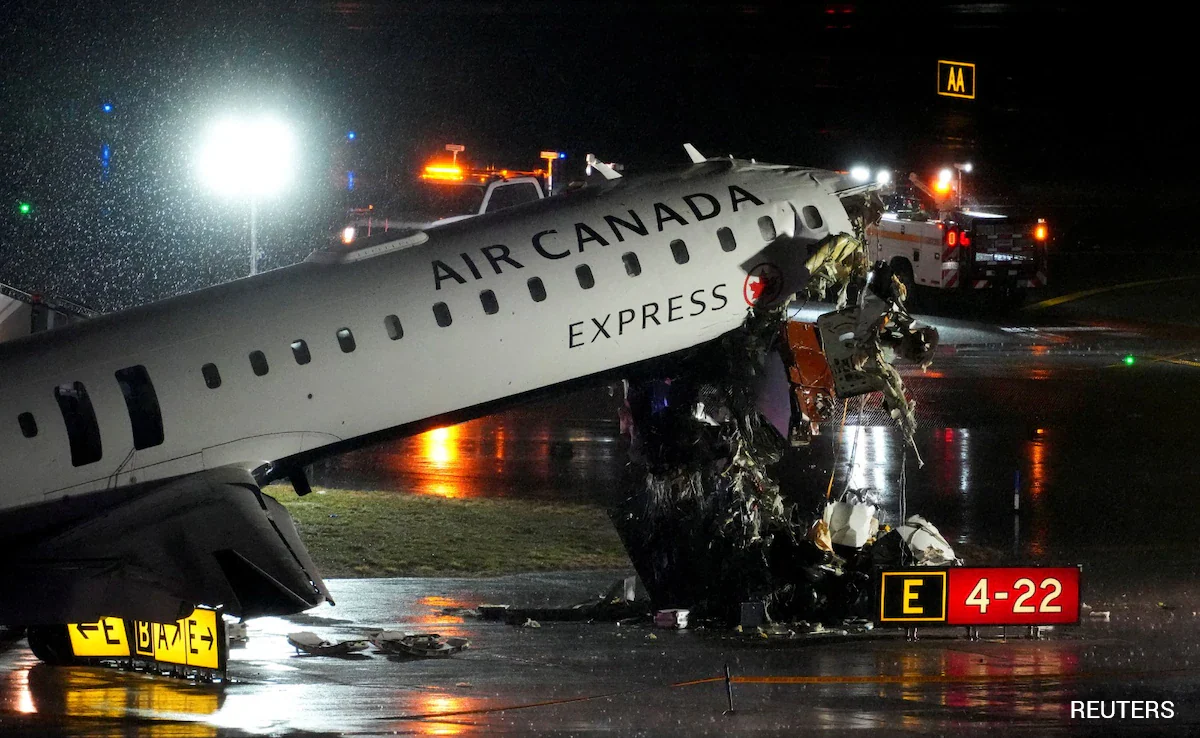
Comprehensive Summarization: LaGuardia Airport experienced significant disruption on March 22 after an Air Canada Express regional jet collided with a...
Read moreDetails