



No products in the cart.
- Latest
- Trending

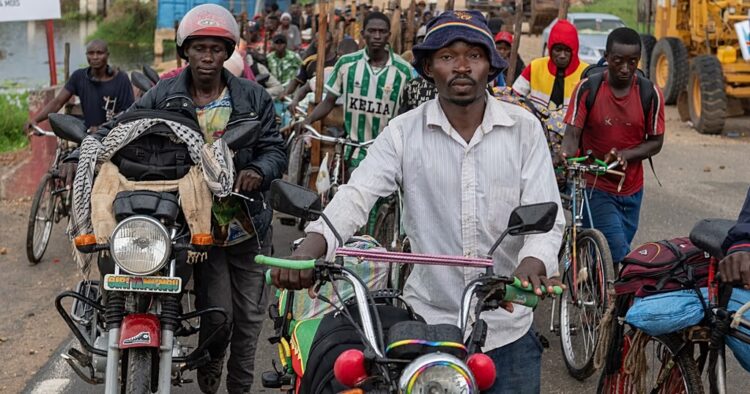
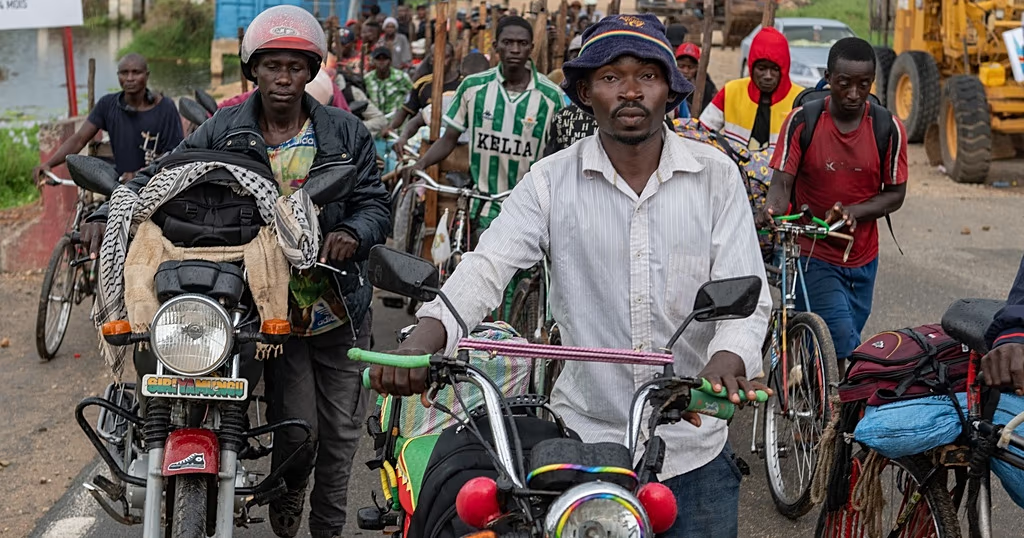
M23 rebels withdraw from Uvira in DRC peace move
Article Summary:
The Alliance Fleuve Congo (AFC/M23) rebel coalition in the Democratic Republic of Congo (DRC) has announced a conditional withdrawal of its fighters from the strategic city of Uvira in South Kivu province. This move is a “trust-building measure” intended to support ongoing negotiations under the Doha peace framework. The decision follows intense international pressure, particularly from the United States and other partners, urging all parties to uphold recently brokered peace arrangements and avoid further bloodshed.
Key Points:
Actionable Takeaways:
Contextual Insights:
The withdrawal of the AFC/M23 from Uvira is a significant development in the ongoing conflict in the DRC, a region that has seen prolonged instability and violence. This move reflects the broader trend of international efforts to broker peace in conflict zones, which is increasingly relevant to the travel industry. As travel companies expand their operations into regions with complex security environments, understanding and anticipating such peace developments becomes crucial. The article also highlights the role of international diplomacy in conflict resolution, a factor that increasingly influences travel safety and operational strategies. Furthermore, the strategic importance of cities like Uvira in conflict dynamics underscores the need for travel companies to maintain robust risk management practices, particularly in regions prone to political unrest.
Read the Complete Article.
Get curated travel AI insights — choose the newsletters that matter to you.
ALTOUR Expands into Thailand, Strengthening Corporate Travel Network Across Southeast Asia BANGKOK, THAILAND (25 March, 2026) – ALTOUR, a leading...
Read moreDetails


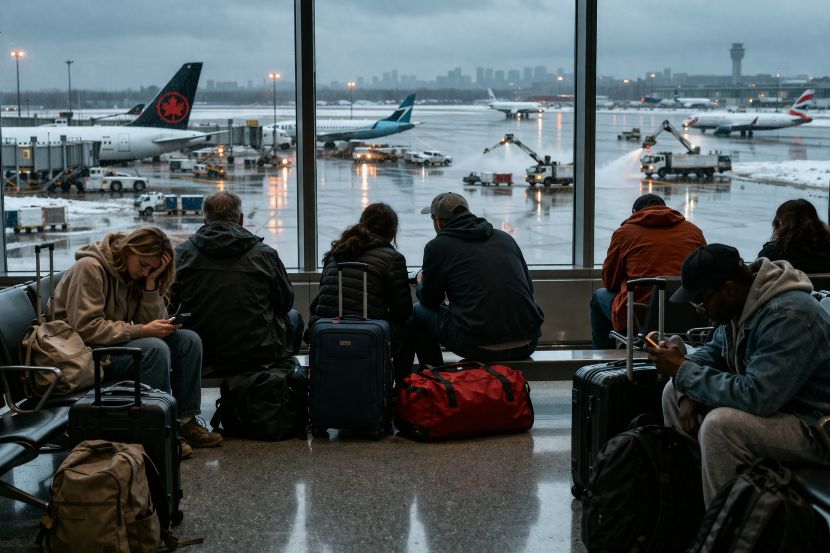
Comprehensive Summarization: The article reports significant travel disruptions at Toronto Pearson International Airport on March 29, 2026, due to 202...
Read moreDetails