























Travel Capitalist Ventures Expands Check Size to $10 Million to Deepen Emerging Market Conviction
Boutique Travel VC raises investment cap from $1.5M to $10M to lead rounds and support portfolio companies through growth Travel...
Read moreDetails
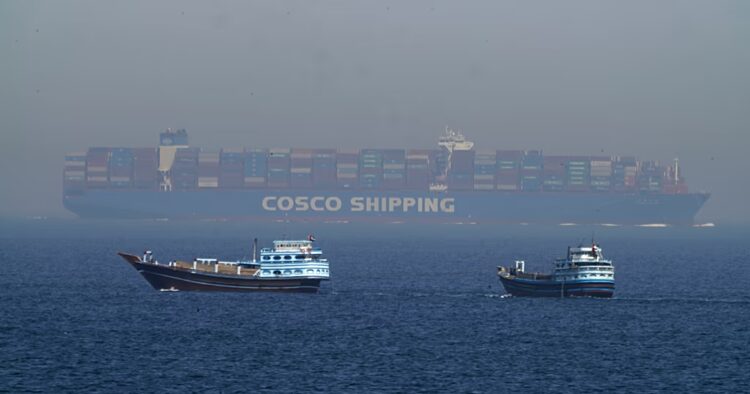
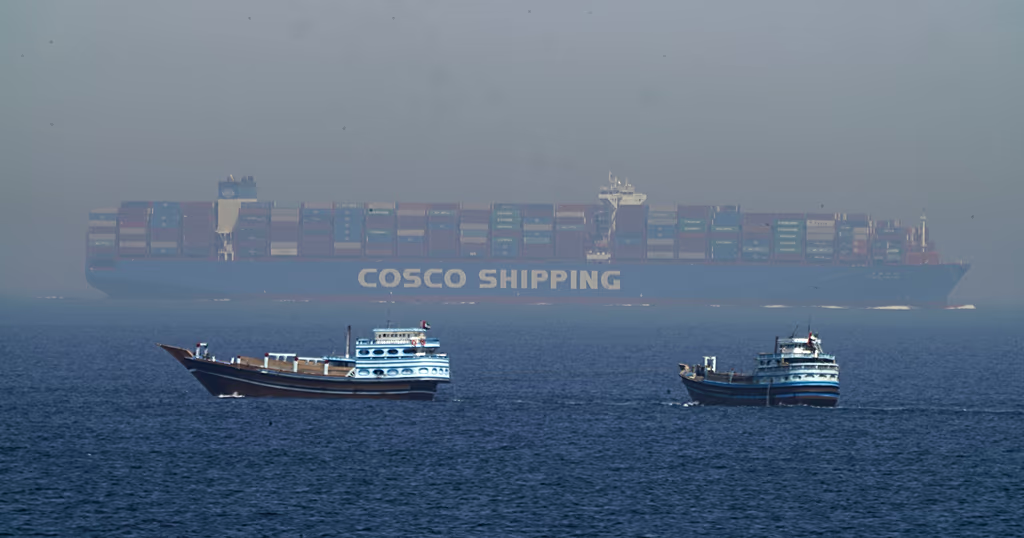
Tensions escalate as ships attacked in the Strait of Hormuz
Comprehensive Summarization:
The article reports two maritime incidents in the Strait of Hormuz, where vessels were attacked by projectiles, leading to fires that were subsequently controlled. The United Kingdom Maritime Trade Operations (UKMTO) confirmed the incidents, with one ship off the coast of Oman and another tanker about 17 nautical miles northwest of Mina Saqr. Iran has been conducting strikes in response to US-Israeli air raids, escalating tensions in the region. The incidents highlight ongoing security concerns in maritime trade routes, particularly in volatile geopolitical areas.
Key Points:
Actionable Takeaways:
Enhanced Maritime Security Measures: Given the recent attacks in the Strait of Hormuz, maritime companies should consider investing in advanced security technologies and protocols to protect vessels from projectile attacks. This could include radar systems, anti-missile defenses, and real-time surveillance to mitigate risks in volatile regions.
Risk Assessment and Insurance: Travel and logistics companies operating in the Middle East should conduct thorough risk assessments for their maritime operations. This includes evaluating insurance coverage that specifically addresses security threats such as projectile attacks, ensuring financial protection against potential damages or disruptions.
Collaborative Security Initiatives: There is an opportunity for collaboration among maritime security firms, governments, and industry stakeholders to share intelligence and best practices. Establishing regional security partnerships could enhance the collective ability to respond to threats and protect maritime trade routes effectively.
Contextual Understanding:
The article reflects the ongoing geopolitical tensions in the Middle East, specifically the attacks in the Strait of Hormuz, which are a critical shipping lane for global oil trade. The incidents underscore the vulnerability of maritime routes to security threats, especially in regions with heightened political instability. The response from the UKMTO and the actions of the private maritime security firm Vanguard Tech highlight the industry’s proactive approach to security. From a travel tech perspective, this situation emphasizes the need for robust cybersecurity and physical security measures in maritime operations. The article also aligns with current trends in risk management and insurance within the travel and logistics sectors, where companies are increasingly investing in technologies to safeguard against geopolitical risks.
Handling Different Article Types:
The article is a news brief, providing factual information about recent maritime attacks in the Strait of Hormuz. The summary, key points, and actionable takeaways are directly derived from the article’s content, ensuring accuracy and relevance. No opinion pieces or feature articles are present in the provided text, so the analysis focuses solely on the factual reporting of the incidents and their implications.
Read the Complete Article.
Boutique Travel VC raises investment cap from $1.5M to $10M to lead rounds and support portfolio companies through growth Travel...
Read moreDetails



Comprehensive Summarization: The article discusses the significant role of Africa's informal economy, which accounts for approximately 85% of the continent's...
Read moreDetails
