







No products in the cart.
- Latest
- Trending

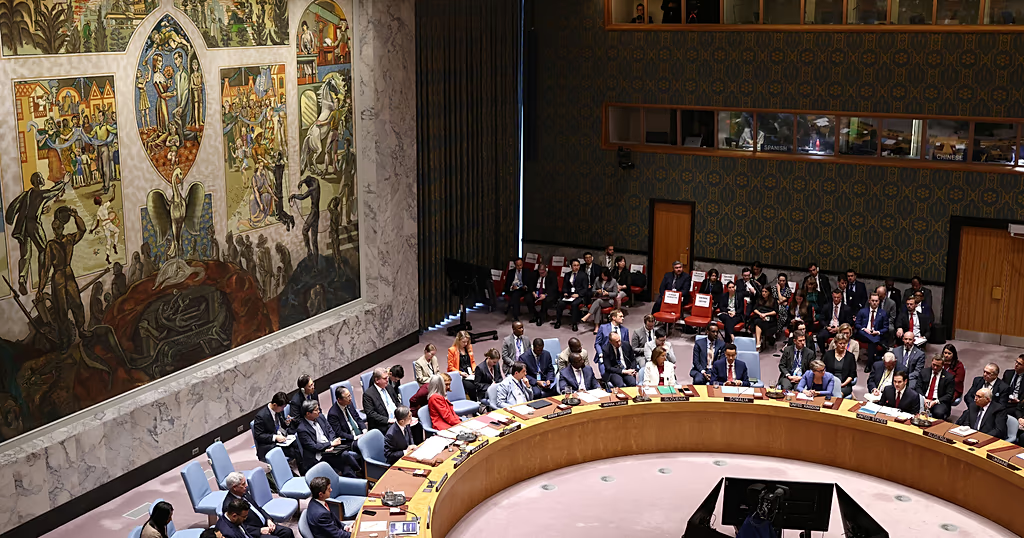
UN Security Council adopts draft resolution extending Yemen sanctions for another year
Article Summary:
The United Nations Security Council has adopted a draft resolution to renew sanctions against Yemen for another 12 months. The resolution, submitted by the United Kingdom, received 13 votes in favor, with abstentions from Russia and China. The sanctions package includes financial and travel bans aimed at pressuring Iran-backed Houthi rebels to participate in Yemen’s political process. It also mandates the UN’s panel of experts to monitor dual-use components and precursor chemicals that could be used to produce weapons.
Key Points:
Actionable Takeaways:
Contextual Insights:
The adoption of sanctions against Yemen underscores the ongoing challenges in conflict zones and the role of international bodies like the UN in enforcing peace. In the travel industry, this context emphasizes the need for heightened vigilance and compliance with international regulations. As travel tech continues to evolve, startups focusing on compliance and monitoring solutions may find increased demand. Additionally, the emphasis on political engagement suggests that travel and business strategies should increasingly incorporate diplomatic efforts to foster stability in volatile regions. This forward-looking perspective aligns with current industry trends, where technology and diplomacy play crucial roles in shaping the future of travel and international relations.
Read the Complete Article.
Get curated travel AI insights — choose the newsletters that matter to you.
ALTOUR Expands into Thailand, Strengthening Corporate Travel Network Across Southeast Asia BANGKOK, THAILAND (25 March, 2026) – ALTOUR, a leading...
Read moreDetails


Comprehensive Summarization: The article discusses a significant shift in the global travel landscape as of March 30, 2026, when 56...
Read moreDetails