

No products in the cart.
- Latest
- Trending

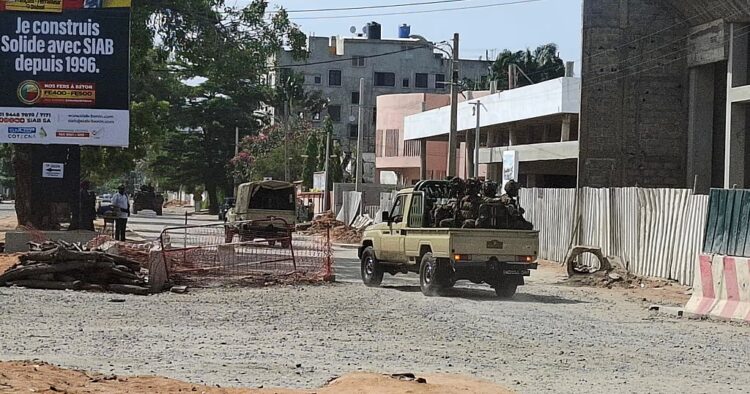
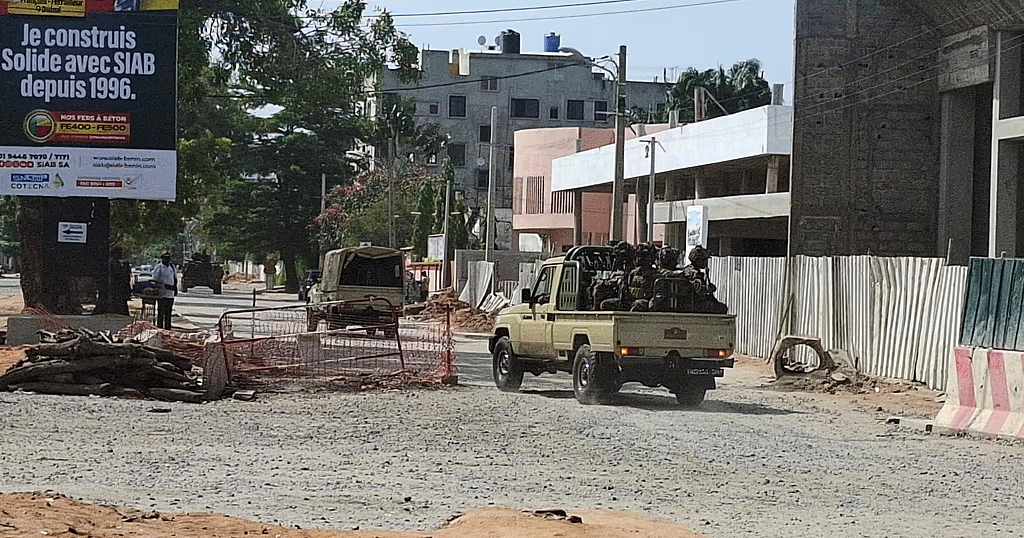
West African troops supporting Benin government following failed coup
Article Summary:
On Sunday, a failed coup attempt in Benin was thwarted by 200 West African soldiers, primarily from Nigeria and Ivory Coast, who were deployed to support the government. The coup was foiled after Abuja deployed fighter jets to drive the mutineers out of a military base and state TV headquarters. Military assistance for the government came from the West African regional bloc, ECOWAS. Benin’s foreign minister mentioned that some of the regional troops remained in the country as part of a “sweep and clean-up operation.” A manhunt is ongoing for those believed to be involved in the coup attempt.
Key Points:
Actionable Takeaways:
Contextual Insights:
The recent failed coup in Benin underscores the ongoing challenges of political instability in West Africa, a region that has seen fluctuating levels of security and governance over the past decade. The involvement of ECOWAS in deploying troops to support Benin’s government reflects the bloc’s role as a key player in regional security and stability. For the travel industry, this context emphasizes the importance of understanding geopolitical risks and their potential impact on travel destinations. Recent trends indicate a growing emphasis on risk assessment and contingency planning in travel and tourism, particularly in regions prone to political volatility. Thought leaders in the industry are increasingly advocating for the integration of geopolitical risk analysis into travel planning and investment decisions. This article aligns with these trends by highlighting the tangible impact of political events on travel and suggesting proactive measures to mitigate associated risks.
Read the Complete Article.
Get curated travel AI insights — choose the newsletters that matter to you.
ALTOUR Expands into Thailand, Strengthening Corporate Travel Network Across Southeast Asia BANGKOK, THAILAND (25 March, 2026) – ALTOUR, a leading...
Read moreDetails


Comprehensive Summarization: Türkiye has experienced significant growth in its tourism sector, ranking 4th globally in visitor numbers since 2017, with...
Read moreDetails