











No products in the cart.
- Latest
- Trending


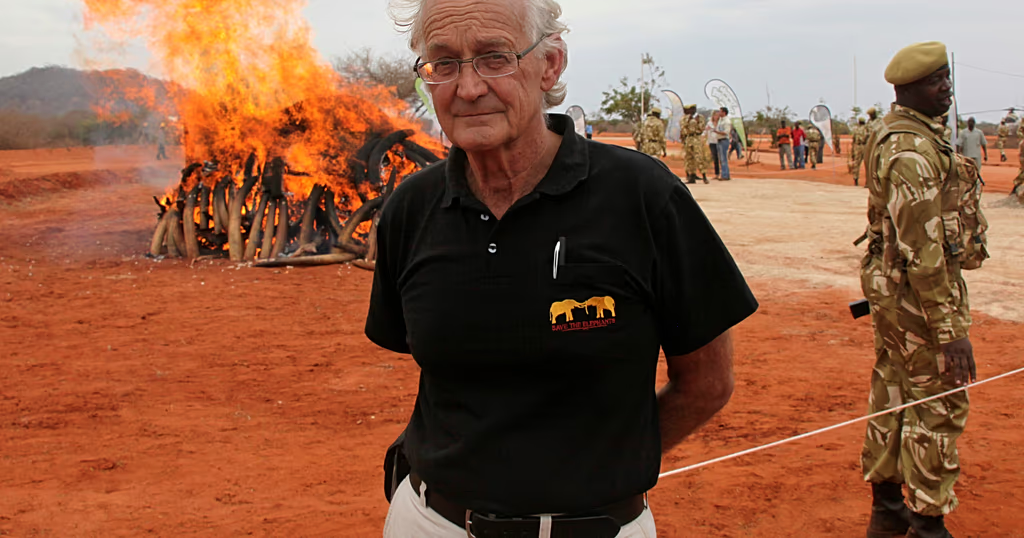
British zoologist and Save the Elephants founder Iain Douglas-Hamilton dies at 83
Article Summary:
British zoologist Iain Douglas-Hamilton, renowned for his decades-long conservation work, particularly in protecting elephants from poaching, has passed away at the age of 83. His contributions include pioneering tracking and collaring techniques to safeguard elephants. Douglas-Hamilton’s death was confirmed in Kenya, with his Save the Elephants group releasing a statement on the news.
Key Points:
Actionable Takeaways:
Contextual Insights:
The conservation efforts led by Iain Douglas-Hamilton reflect a broader trend in the travel industry towards sustainability and ethical travel practices. As travelers become more environmentally conscious, there is a growing demand for travel experiences that minimize ecological impact. This shift presents opportunities for travel startups to innovate in areas such as carbon offsetting, wildlife-friendly accommodations, and sustainable tour operations. Additionally, the ban on ivory trade underscores the importance of consumer awareness and education in driving market demand for sustainable products and services. Travel companies that integrate these principles into their business models are likely to attract a growing segment of eco-conscious consumers, thereby enhancing their market competitiveness and brand loyalty.
Read the Complete Article.
Get curated travel AI insights — choose the newsletters that matter to you.
ALTOUR Expands into Thailand, Strengthening Corporate Travel Network Across Southeast Asia BANGKOK, THAILAND (25 March, 2026) – ALTOUR, a leading...
Read moreDetails


Comprehensive Summarization: Dream Cruises, a leading player in Asia’s premium cruise tourism sector, has marked its 10-year anniversary with a...
Read moreDetails