





No products in the cart.
- Latest
- Trending


Cameroon opposition slams plan to create vice president post as 'coup'
Comprehensive Summarization:
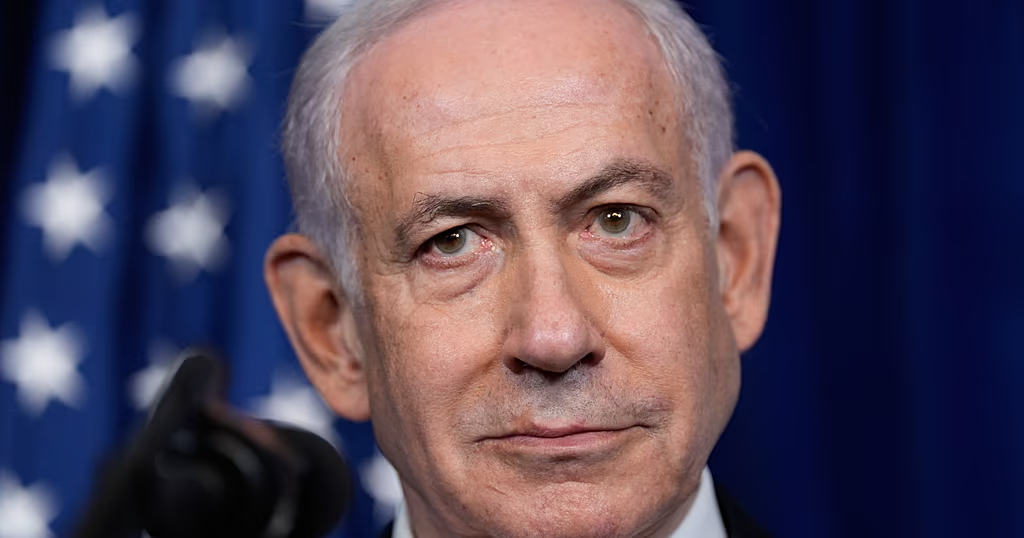
The article discusses a proposed constitutional amendment aimed at creating a Vice President’s position in the country’s political system. This move has sparked criticism and controversy, with veteran opposition leader Maurice Kamto arguing that it represents an attempt at a power grab. Kamto emphasized the need to prevent political turmoil from taking root, urging for a collective rejection of the ongoing constitutional and institutional coup. If the amendment is approved, the Vice President would assume power in the event of the President’s death, resignation, or incapacitation. The article also touches on the broader context of travel industry trends and insights from thought leaders, although these are not detailed in the provided content.
Key Points:
Actionable Takeaways:
Political Stability and Power Dynamics: The proposed amendment could significantly impact political stability and power dynamics within the country. Its approval or rejection may influence the country’s governance structure and the balance of power between the executive and legislative branches. This is particularly relevant for stakeholders in the travel industry, as political stability is a key factor in attracting foreign investment and ensuring smooth operations in the tourism sector.
Impact on Travel Industry: Political changes, especially those involving the executive branch, can have far-reaching effects on the travel industry. For instance, alterations in government policies, travel regulations, or international relations can directly affect tourism trends, investment flows, and market dynamics. Travel companies and startups should monitor political developments closely to anticipate and adapt to potential changes in the market environment.
Contextual Insights:
The proposed constitutional amendment reflects broader trends in political reform and governance across various countries. In the context of the travel industry, such political shifts can influence regulatory environments, trade agreements, and international cooperation. Thought leaders in the travel sector often emphasize the importance of staying informed about political developments, as they can impact market access, consumer behavior, and operational strategies. For instance, a stable political environment typically fosters a conducive atmosphere for business growth and investment, which is crucial for travel startups and established companies alike. Therefore, understanding the implications of political amendments is essential for navigating the evolving landscape of the travel industry effectively.
Read the Complete Article.
Get curated travel AI insights — choose the newsletters that matter to you.
ALTOUR Expands into Thailand, Strengthening Corporate Travel Network Across Southeast Asia BANGKOK, THAILAND (25 March, 2026) – ALTOUR, a leading...
Read moreDetails


Comprehensive Summarization: The article highlights a serious risk posed by the Middle East conflict to Africa, as reported by the...
Read moreDetails