










No products in the cart.
- Latest
- Trending

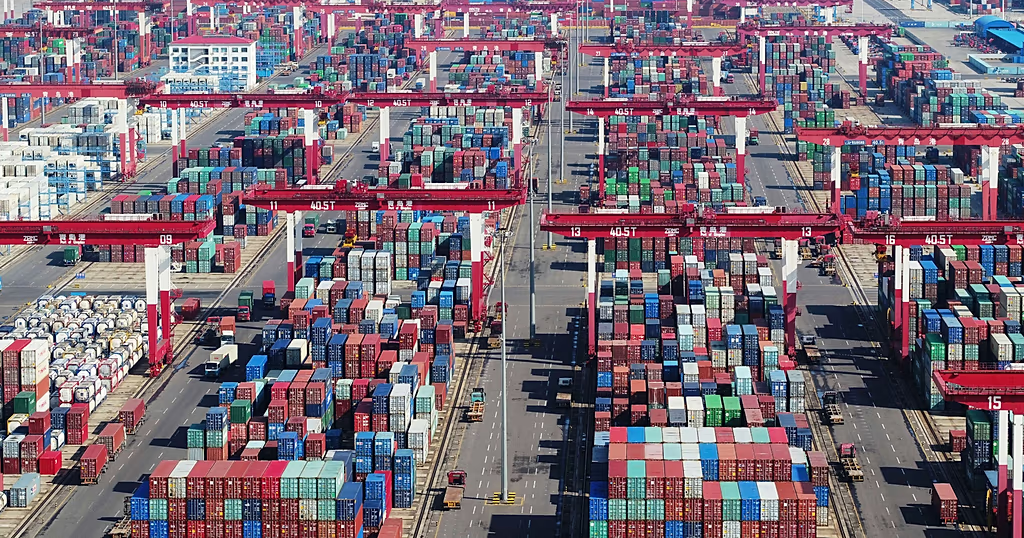
Chinese exports to Africa soar despite tariff wars
Article Summary:
Chinese exports to African countries are projected to exceed $200 billion by 2025, according to customs data indicating $122 billion in exports during the first eight months of 2025. This projection is driven by the ongoing trade tensions between China and the United States, which have led to a significant trade imbalance. Africa’s exports to China have grown by 2.3% in the same period, resulting in a trade deficit of nearly $60 billion. The dominant imports from Africa include machinery, heavy equipment, automobiles, and metal products.
Key Points:
Actionable Takeaways:
Contextual Insights:
The article reflects the current dynamics of global trade, particularly the impact of geopolitical tensions on international commerce. The trade war between China and the United States has created a challenging environment for global trade, with African countries caught in the middle. Despite these challenges, the article highlights the resilience and potential of African economies to engage in trade with major global players like China. This situation underscores the importance of strategic trade diversification and infrastructure development to enhance economic resilience and growth. For travel startups and fintech innovators, this context suggests opportunities in facilitating trade transactions, improving logistics, and providing financial services that support increased trade between Africa and China. By leveraging these opportunities, startups can play a pivotal role in shaping the future of trade and economic cooperation in the region.
Read the Complete Article.
Get curated travel AI insights — choose the newsletters that matter to you.
ALTOUR Expands into Thailand, Strengthening Corporate Travel Network Across Southeast Asia BANGKOK, THAILAND (25 March, 2026) – ALTOUR, a leading...
Read moreDetails


Comprehensive Summarization: Amadeus has entered into a strategic partnership with Tata Consultancy Services (TCS), a global leader in IT services,...
Read moreDetails