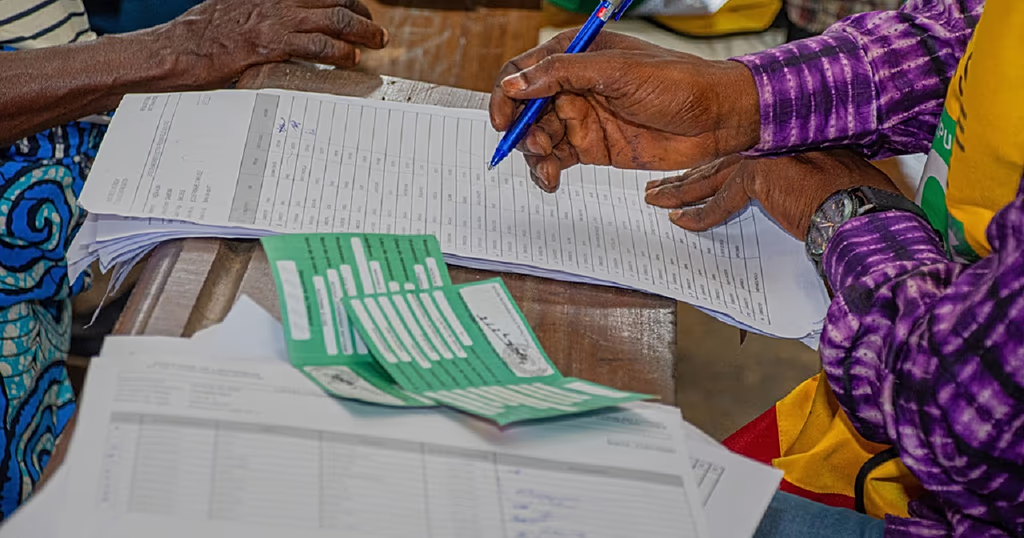
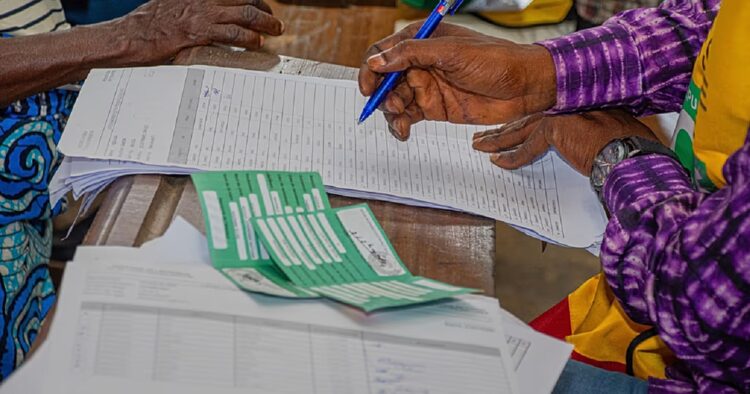
The article reports on the ongoing vote counting in the Republic of Congo following a presidential election that could extend President Denis Sassou N’Guesso’s rule for a fifth consecutive term. Polls closed on Sunday, with official results expected within two weeks. The election was characterized by low voter turnout, with many citizens expressing skepticism that the vote would bring political change after more than four decades of leadership by the 82-year-old incumbent. Six other candidates contested the presidency, but analysts suggest none is likely to pose a serious challenge to Sassou N’Guesso. The context highlights the incumbent’s long-standing leadership and the political landscape in the oil-rich Central African nation.
Key Points:
Vote counting is underway in the Republic of Congo following a presidential election.
President Denis Sassou N’Guesso, 82 years old, could extend his rule for a fifth consecutive term.
The election had low voter turnout, with many citizens skeptical of political change.
Six other candidates contested the presidency, but none is likely to challenge Sassou N’Guesso significantly.
The incumbent has led the country for over four decades.
Actionable Takeaways:
Political Stability Impact on Investment: The likelihood of Sassou N’Guesso extending his rule for another term suggests potential political stability in the Republic of Congo. This stability could be beneficial for investors and businesses looking to engage in the Central African market, as it may reduce political risk. However, the low voter turnout and skepticism about political change indicate underlying issues that could affect long-term stability and economic growth.
Opportunities for Travel and Tourism: Despite the political context, the Republic of Congo is an oil-rich nation with potential for growth in various sectors, including travel and tourism. The stability provided by the incumbent’s likely continuation in power could encourage foreign investment in infrastructure and tourism development. Travel startups and fintech companies could capitalize on this by developing services that cater to both domestic and international tourists, leveraging the potential for increased travel demand.
Contextual Insights:
The article reflects the ongoing political dynamics in the Republic of Congo, a country with significant economic potential due to its oil reserves. The low voter turnout and skepticism about political change highlight challenges in the democratic process, which could impact the country’s economic and social development. From a travel industry perspective, these factors suggest both risks and opportunities. While political instability could deter tourism, the potential for economic growth and development under a stable leadership could attract investment in travel infrastructure. Travel tech startups and fintech companies could play a crucial role in enhancing the travel experience for both local and international tourists, by addressing issues such as payment processing, travel bookings, and customer service in a politically stable environment. The article underscores the importance of monitoring political developments and their potential impact on the travel sector, as they can influence market conditions and consumer behavior.