







No products in the cart.
- Latest
- Trending

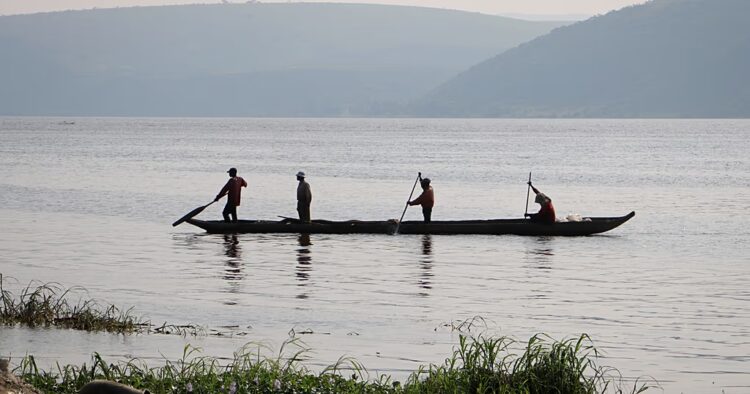
Deadly boat capsize in northwestern Congo leaves 20 dead, several missing
Article Summary:
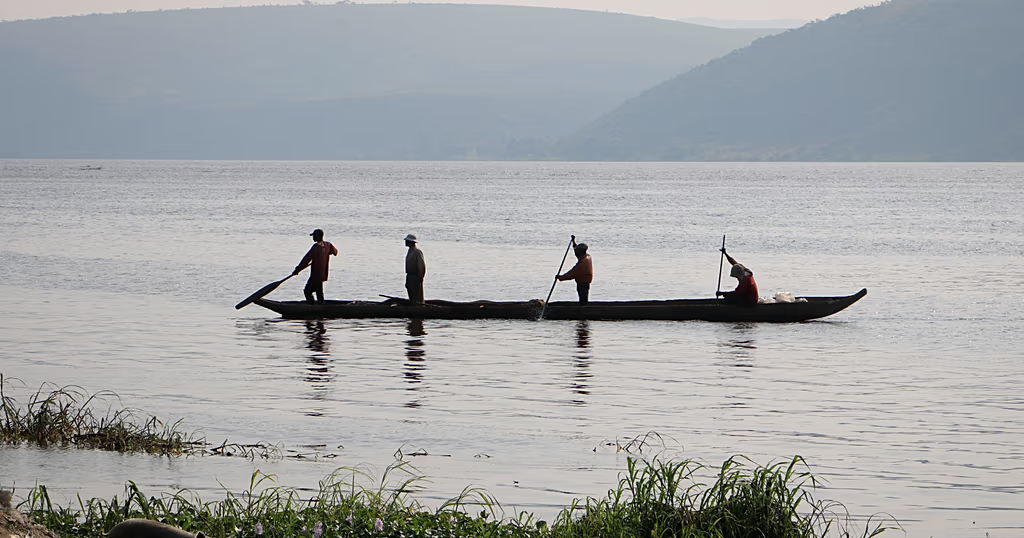
On Thursday, a boat capsized in Lake Maï-Ndombe, northwestern Congo, resulting in at least 20 deaths and several people still missing. The boat, which was carrying passengers to Kinshasa, included a newly ordained Catholic deacon. The local Diocese confirmed the death of the deacon. The exact death toll has not been released by the Congolese government. The incident occurred around 8 p.m. Thursday night when the boat was en route from Kiri to Kinshasa.
Key Points:
Actionable Takeaways:
Contextual Insights:
The incident in Congo highlights the ongoing challenges faced by water transport in developing regions. Despite the lack of an official death toll, the immediate impact on lives and the community is evident. This situation is reflective of broader issues in the travel industry, such as the need for robust safety standards and reliable reporting systems. In the context of current travel trends, where safety and transparency are paramount, this incident serves as a critical reminder of the importance of these factors. Furthermore, it underscores the potential for technological advancements in travel tech to enhance safety and operational efficiency in water transport, an area ripe for innovation and improvement.
Read the Complete Article.
Get curated travel AI insights — choose the newsletters that matter to you.
ALTOUR Expands into Thailand, Strengthening Corporate Travel Network Across Southeast Asia BANGKOK, THAILAND (25 March, 2026) – ALTOUR, a leading...
Read moreDetails


Nepal joins Greece, Honduras, Sri Lanka, Thailand, and Georgia at IMTM 2026 in Tel Aviv, showcasing tourism tech and accessibility...
Read moreDetails