




No products in the cart.
- Latest
- Trending

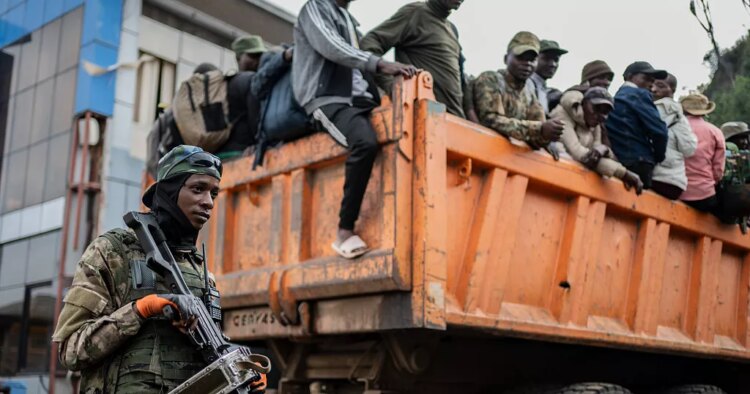
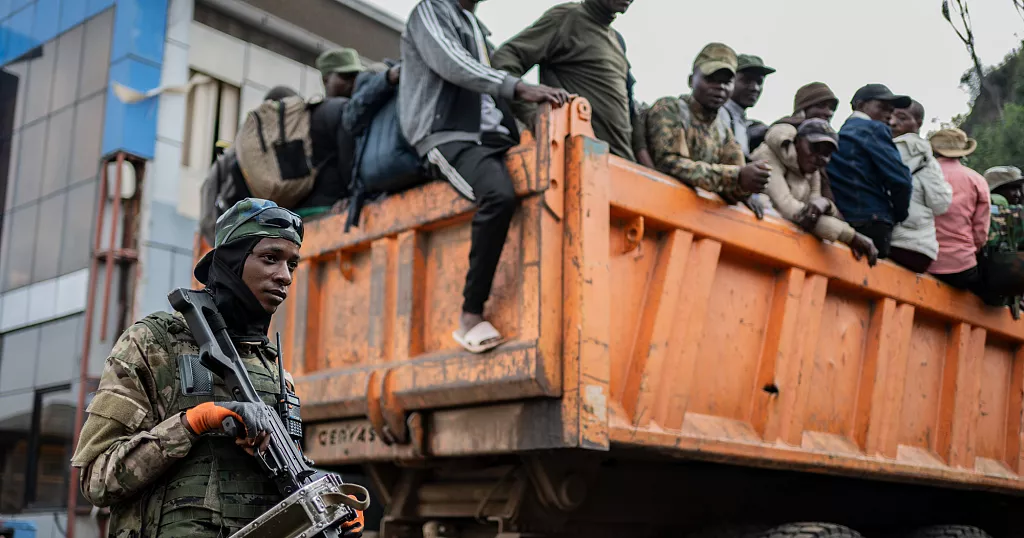
Congo, Rwanda leaders set to sign peace agreement amid M23 tensions
Article Summary:
Congo’s President Felix Tshisekedi is set to travel to the United States next week to sign a final peace agreement with Rwandan President Paul Kagame. This agreement aims to end the long-standing conflict in eastern Congo, a result of months of diplomacy led by US President Donald Trump. The deal hinges on Rwanda withdrawing support for the M23 rebel group, a condition confirmed by Tshisekedi. Kagame emphasized that lasting peace depends on the commitment of all parties involved. The article also touches on the ongoing tension over Rwanda’s alleged support for the M23 rebels and the devastating impact of fighting in eastern Congo.
Key Points:
Actionable Takeaways:
Contextual Insights:
The article reflects the current state of the travel industry, particularly in regions affected by conflict. The emphasis on diplomatic efforts and international cooperation underscores a broader trend in the travel sector towards prioritizing safety and security. As travel companies navigate these challenges, there is a growing recognition of the need for innovative solutions that can mitigate risks and enhance the travel experience. The potential rise in tourism to conflict zones, once deemed unsafe, presents both challenges and opportunities for travel startups and fintech companies. By leveraging technology and fostering international cooperation, the industry can adapt to these evolving dynamics, ensuring safer and more resilient travel experiences.
Read the Complete Article.
Get curated travel AI insights — choose the newsletters that matter to you.
ALTOUR Expands into Thailand, Strengthening Corporate Travel Network Across Southeast Asia BANGKOK, THAILAND (25 March, 2026) – ALTOUR, a leading...
Read moreDetails


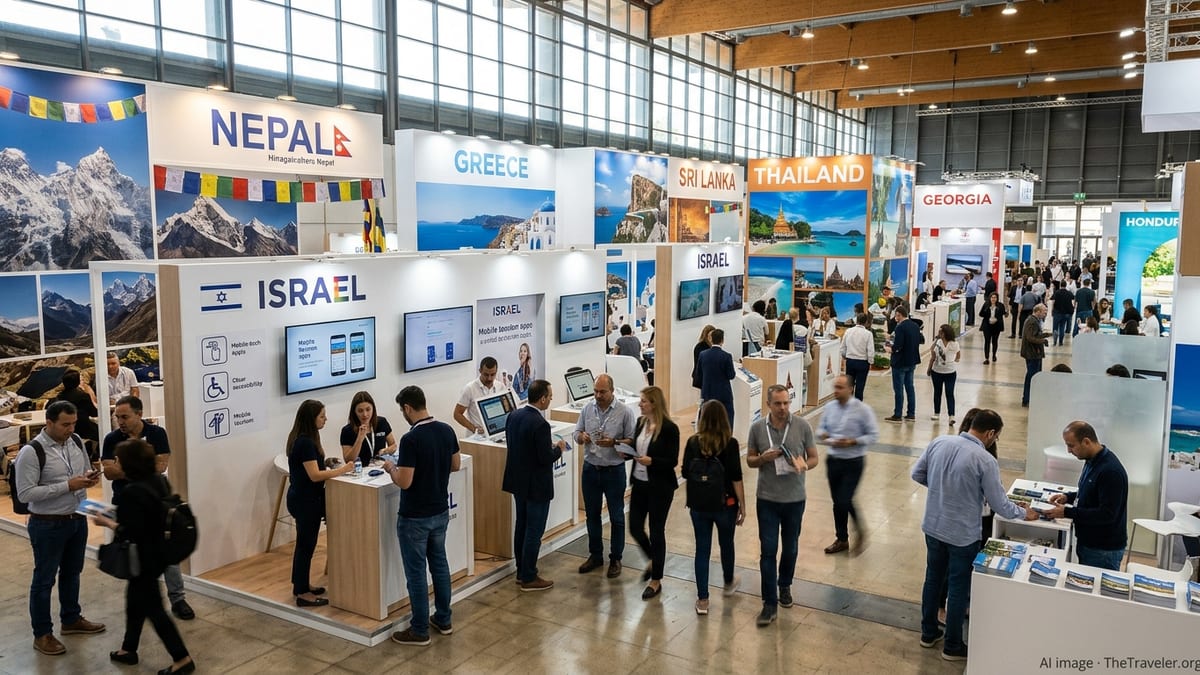
Tel Aviv, Israel — February 5, 2026 In short: Israel’s International Mediterranean Tourism Market (IMTM) showcases tourism technology and accessibility...
Read moreDetails