










No products in the cart.
- Latest
- Trending

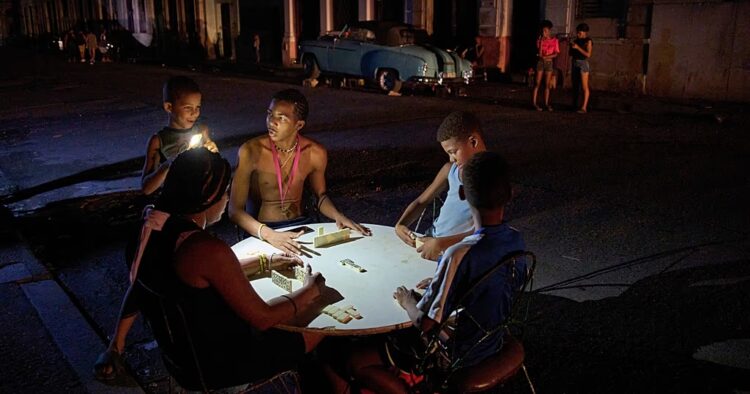
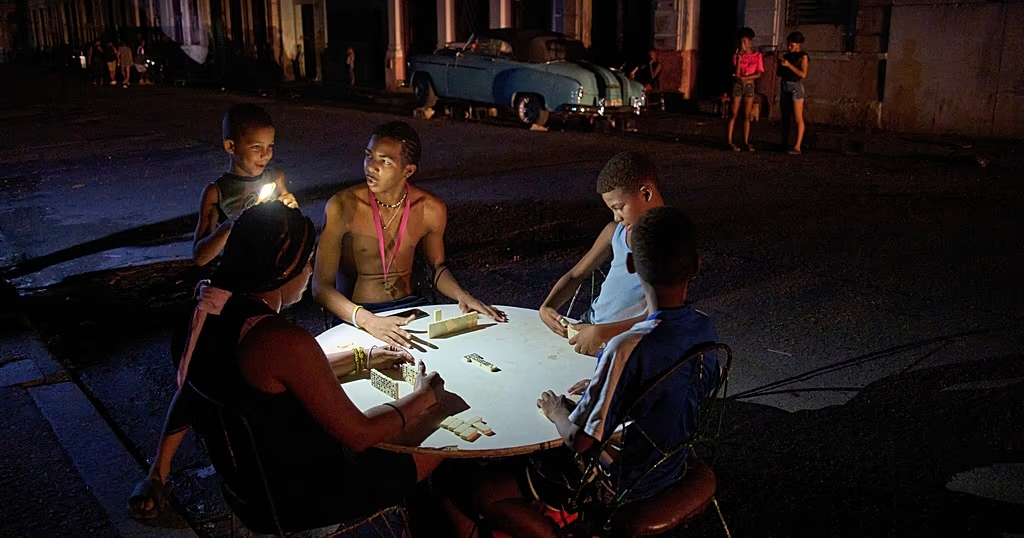
Massive blackout plunges western Cuba into darkness as power grid struggles
Article Summary:
A widespread blackout swept across Havana and much of western Cuba on Wednesday, cutting electricity to millions. The outage began after a transmission line connecting two major thermoelectric plants failed, triggering a collapse of service across half the country. Authorities are working to restore electricity gradually, but warn that the system remains under heavy strain. This blackout adds to the list of hardships faced by residents, who are already grappling with chronic power shortages and a deepening economic crisis.
Key Points:
Actionable Takeaways:
Contextual Insights:
The blackout in Havana and western Cuba is a stark reminder of the vulnerabilities in power infrastructure, especially in regions already facing economic and social challenges. This event is particularly relevant in the context of the travel industry, as power outages can disrupt travel plans, affect tourism infrastructure, and impact the overall travel experience. For travel startups and fintech innovations, this situation presents an opportunity to develop solutions that enhance resilience and reliability in travel logistics, such as real-time power status tracking, backup power solutions for travelers, or innovative payment systems that operate independently of traditional power grids. By addressing these challenges, the travel industry can better support travelers and mitigate the impact of such disruptions, thereby enhancing customer satisfaction and loyalty.
Read the Complete Article.
Get curated travel AI insights — choose the newsletters that matter to you.
ALTOUR Expands into Thailand, Strengthening Corporate Travel Network Across Southeast Asia BANGKOK, THAILAND (25 March, 2026) – ALTOUR, a leading...
Read moreDetails


Comprehensive Summarization: Indian Hotels Company Limited (IHCL) has significantly expanded the Taj Safaris brand by introducing a new luxury eco-lodge...
Read moreDetails