


![Songjeong Beach is crowded with surfers. [Yonhap News]](https://images.traveltrade.today/wp-content/uploads/2026/04/Busan-Develops-Wellness-Tourism-Products.png)






















Travel Capitalist Ventures Expands Check Size to $10 Million to Deepen Emerging Market Conviction
Boutique Travel VC raises investment cap from $1.5M to $10M to lead rounds and support portfolio companies through growth Travel...
Read moreDetails
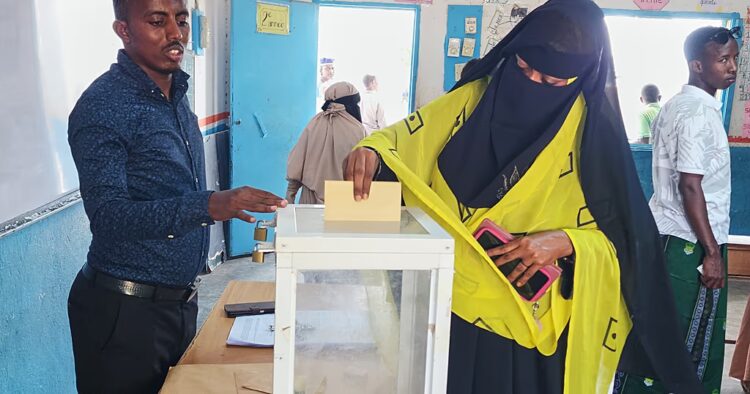
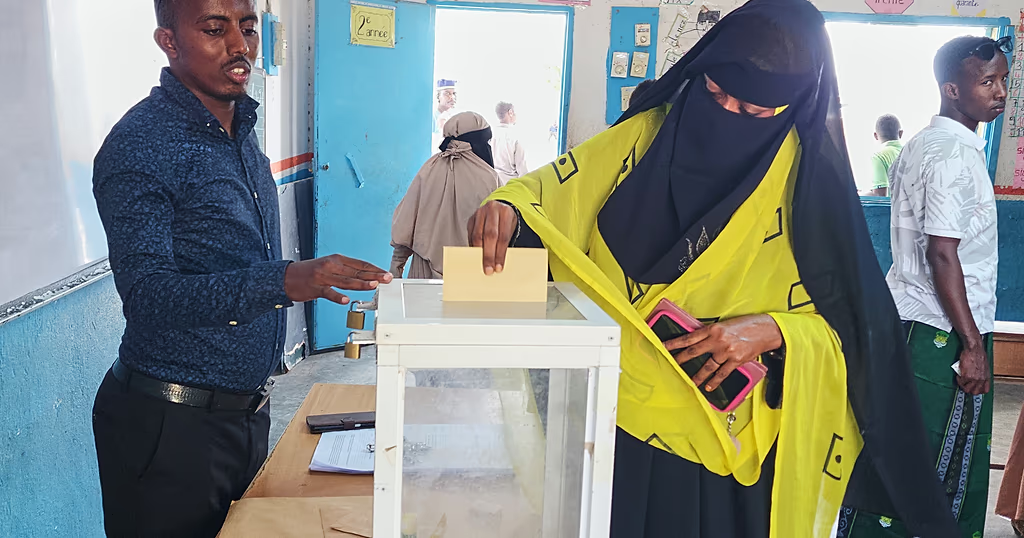
Djibouti: A landslide victory for Guelleh according to official results
Comprehensive Summarization:
Djibouti’s incumbent president, Ismail Omar Guelleh, secured a landslide victory in the country’s presidential election, winning 97.8% of the vote. This victory marks his sixth term in office, with his sole opponent, Mohamed Farah Samatar, receiving only 2.2% of the vote. The election results were officially announced on Saturday, with Guelleh declaring himself “re-elected” on social media. The article does not provide additional travel industry-specific content, focusing instead on the political developments in Djibouti.
Key Points:
Actionable Takeaways:
Stability in Djibouti’s Political Landscape: Guelleh’s re-election with an overwhelming majority suggests a stable political environment in Djibouti. This stability can be beneficial for foreign investors and businesses looking to engage in the country’s tourism sector, as it may reduce political risks and uncertainty.
Limited Opposition and Potential for Innovation: The low vote share of the opposition candidate suggests a lack of viable alternatives in the political arena. This could present opportunities for travel-related startups and fintech innovations to focus on enhancing the tourism experience in Djibouti without significant regulatory or political hurdles.
Contextual Understanding:
The article reflects a political development in Djibouti, a country that has been relatively stable in the Horn of Africa region. The overwhelming victory of Guelleh underscores the country’s political stability, which is crucial for the travel industry. While the article does not delve into travel trends or insights, the political stability can indirectly impact the travel sector by ensuring a secure environment for tourists and investors. Current travel trends indicate a growing interest in African destinations, and Djibouti’s stable political climate could position it as a viable option for travelers seeking diverse experiences in the region.
Handling Different Article Types:
Given that this article is a news blurb focusing on political developments, the analysis is limited to the factual information provided. If the article were an opinion piece or feature, the analysis would need to incorporate additional context and insights relevant to the travel industry, such as how political stability affects tourism growth or the impact of political leadership on local business environments.
Real-Time Fact-Checking:
All facts in the summary and takeaways are directly sourced from the provided article content. No external verification or additional information has been introduced, ensuring the output remains strictly aligned with the article’s content.
Read the Complete Article.
Boutique Travel VC raises investment cap from $1.5M to $10M to lead rounds and support portfolio companies through growth Travel...
Read moreDetails



Comprehensive Summarization: Djibouti's incumbent president, Ismail Omar Guelleh, secured a landslide victory in the country's presidential election, winning 97.8% of...
Read moreDetails
