

![[At one go] There was no reverse sweep Korean Air 'Champ Up With Winning Game 5'](https://images.traveltrade.today/wp-content/uploads/2026/04/Korean-Air-Triumphs-in-Game-5-Reverse-Sweep-Victory.jpg)





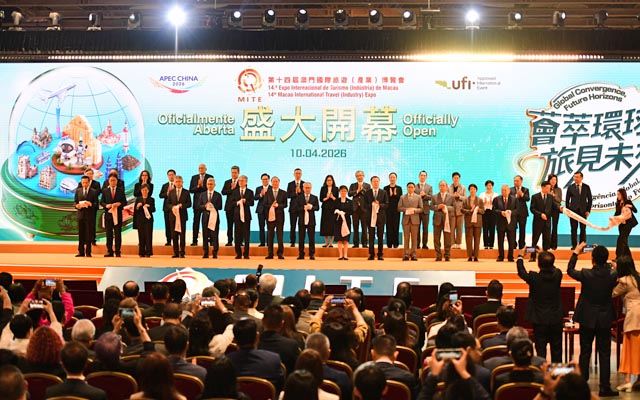









Travel Capitalist Ventures Expands Check Size to $10 Million to Deepen Emerging Market Conviction
Boutique Travel VC raises investment cap from $1.5M to $10M to lead rounds and support portfolio companies through growth Travel...
Read moreDetails
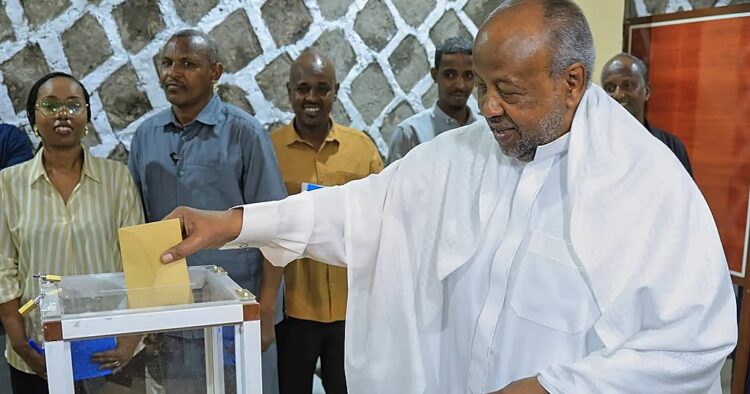
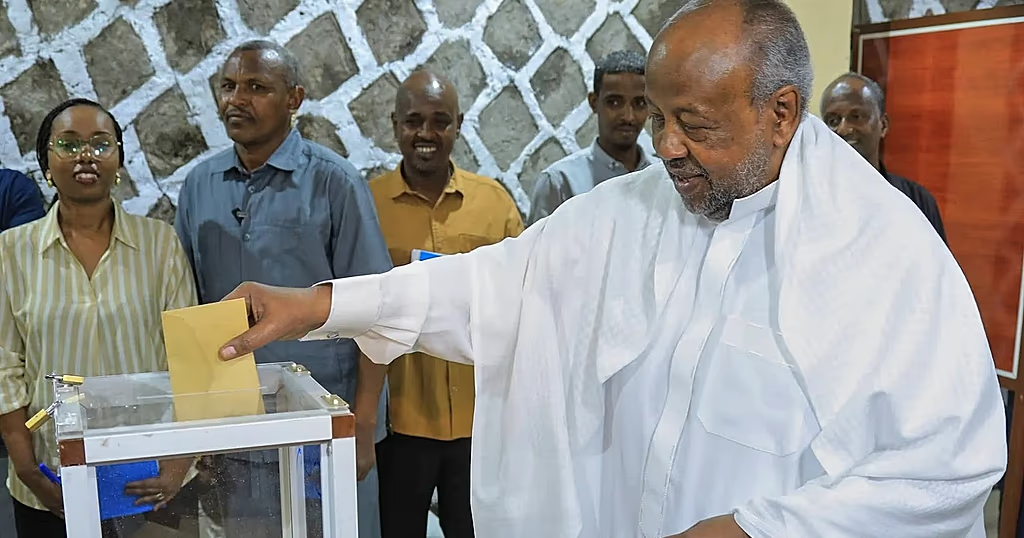
Voting day concludes with low turnout in Djibouti as Guelleh set to win sixth term
Comprehensive Summarization:
The article reports on the recent presidential election in Djibouti, where incumbent President Ismail Omar Guelleh, 78, secured a sixth term in office. The election, which took place on Friday, saw a turnout that remained low throughout the day, with none of the polling stations visited by AFP journalists recording more than 25 percent of registered voters casting ballots. The election was expected to extend Guelleh’s long-standing rule, which has been in power for 27 years. The article highlights the low voter turnout and the dissatisfaction among some citizens, as evidenced by a taxi driver’s comment that the city is dirty and voting is pointless. The context provided also indicates that the article is part of a broader discussion on travel trends and insights from thought leaders, emphasizing the need for forward-looking perspectives in the travel industry.
Key Points:
Actionable Takeaways:
Low Voter Turnout and Political Stability: The low voter turnout in Djibouti’s presidential election suggests potential challenges in maintaining political stability. For the travel industry, this could imply a need for adaptive strategies to engage with politically volatile regions, ensuring safe and reliable travel options.
Importance of Voter Engagement: The dissatisfaction expressed by citizens highlights the importance of voter engagement and political participation. Travel companies could leverage this insight to promote travel as a means of civic engagement, potentially increasing interest in destinations with active political participation.
Focus on Infrastructure and City Management: The comment about the city being dirty underscores the importance of infrastructure and urban management in enhancing the travel experience. Travel companies could invest in improving city aesthetics and infrastructure to attract more tourists and improve the overall travel experience.
Contextual Insights:
The election of Ismail Omar Guelleh for a sixth term in Djibouti reflects a pattern of long-standing political rule in the region. This context is crucial for understanding the travel industry’s approach to these markets. Travel companies should consider the implications of political stability and public sentiment on tourism trends. For instance, destinations with stable governments and high voter participation may offer more predictable and reliable travel experiences, which can be marketed to tourists seeking security and reliability. Additionally, the low voter turnout suggests a potential disconnect between the electorate and the political process, which could be addressed through travel initiatives that promote civic engagement and political awareness among tourists. This could include partnerships with local organizations to facilitate voter education and participation, thereby enhancing the travel experience and fostering goodwill towards the destination.
Read the Complete Article.
Boutique Travel VC raises investment cap from $1.5M to $10M to lead rounds and support portfolio companies through growth Travel...
Read moreDetails



Comprehensive Summarization: The article reports on the recent presidential election in Djibouti, where incumbent President Ismail Omar Guelleh, 78, secured...
Read moreDetails
