







No products in the cart.
- Latest
- Trending

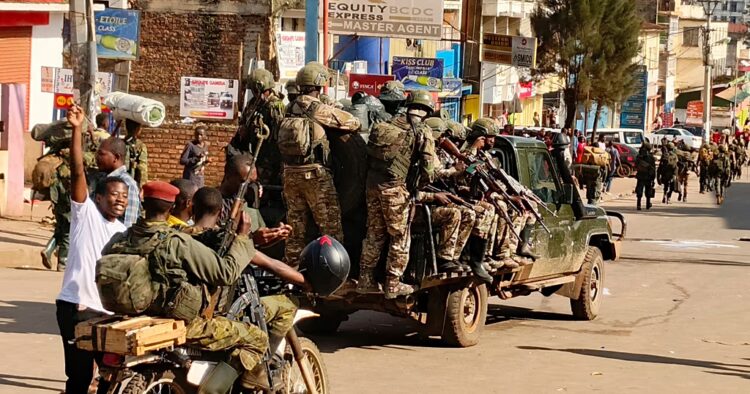
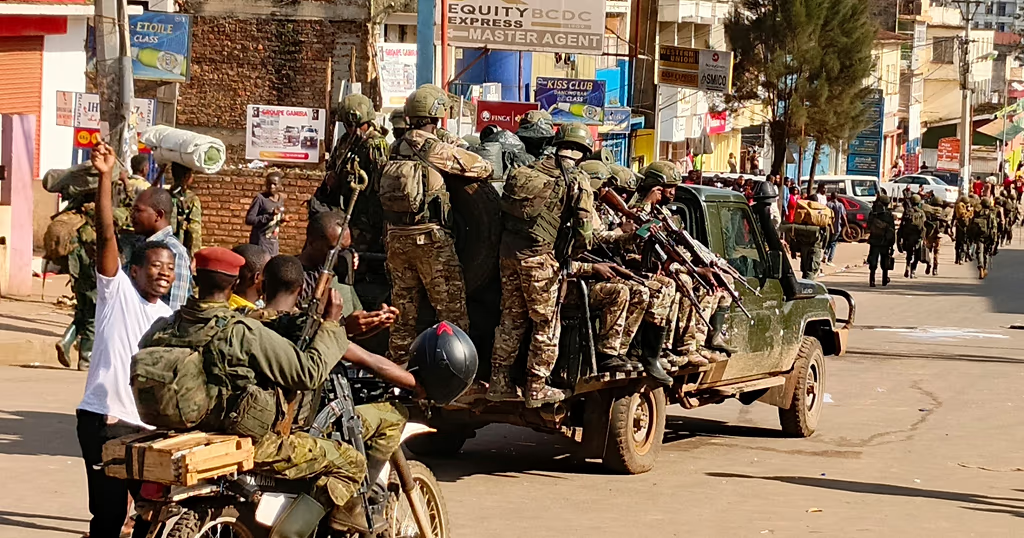
Thousands flee South as fighting intensifies days after DRC and Rwanda recommit to peace deal
Article Summary:
The eastern Democratic Republic of the Congo is experiencing renewed chaos as fighting between the Congolese army and M23 rebels intensifies, leading to a forced exodus of thousands of people, primarily men, women, and children, from their villages in South Kivu. The conflict has resulted in intense bombings, prompting residents to flee under the relentless bombardment. A resident of Luvungi, displaced by the conflict, reported that both the M23 and the Congolese army are dropping many bombs on the area, highlighting the severity of the situation.
Key Points:
Actionable Takeaways:
Contextual Insights:
The current conflict in the eastern Democratic Republic of the Congo is a stark reminder of the volatile nature of certain regions within the travel industry. Recent trends indicate a growing emphasis on safety and security in travel planning, with consumers increasingly seeking destinations that offer reliable safety measures. Thought leaders in the travel industry are advocating for the integration of real-time risk assessment tools and enhanced security protocols to protect travelers. This article aligns with these trends by highlighting the immediate need for robust safety measures in regions affected by conflict. Furthermore, the situation presents an opportunity for travel startups to innovate in areas such as fintech, offering secure payment solutions for travelers navigating conflict zones. By addressing these challenges, the travel industry can not only protect its stakeholders but also contribute to the broader goal of stabilizing conflict-affected regions.
Read the Complete Article.
Get curated travel AI insights — choose the newsletters that matter to you.
ALTOUR Expands into Thailand, Strengthening Corporate Travel Network Across Southeast Asia BANGKOK, THAILAND (25 March, 2026) – ALTOUR, a leading...
Read moreDetails


Comprehensive Summarization: India's burgeoning interest in dark skies and deep space is transforming the domestic travel landscape, with Karnataka emerging...
Read moreDetails