



No products in the cart.
- Latest
- Trending

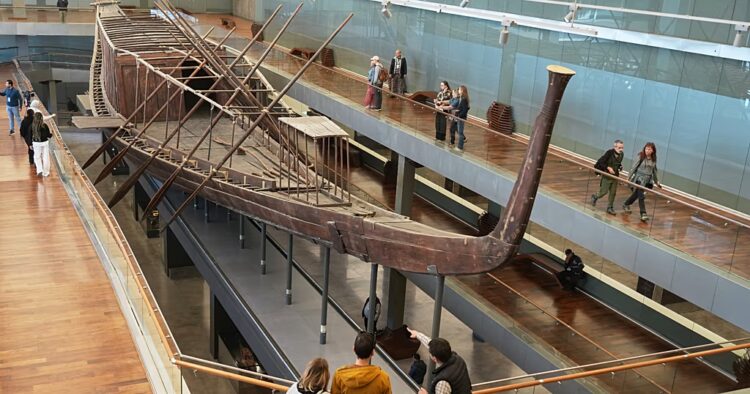
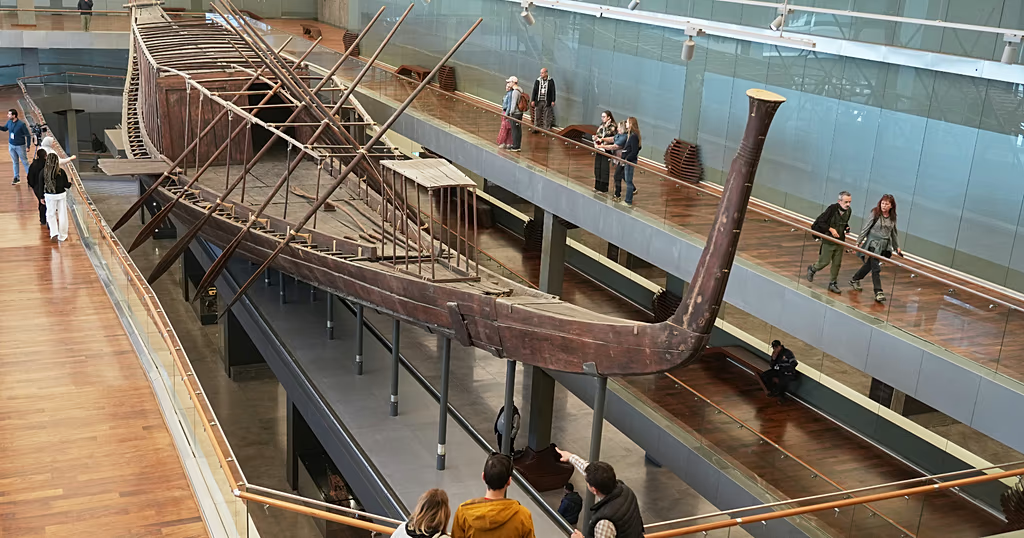
Egypt museum restores ancient boat as visitors watch
Article Summary:
The Grand Egyptian Museum recently displayed a cedarwood boat belonging to King Khufu, one of two boats found. The 42-meter-long vessel, consisting of 1,650 wooden pieces, is being reassembled in real-time for visitors. The assembly process is expected to take around four years, according to Issa Zeidan, head of restoration at the museum. This event highlights ongoing advancements in museum restoration technologies and public engagement strategies.
Key Points:
Actionable Takeaways:
Contextual Insights:
The reassembly of the King Khufu boat at the Grand Egyptian Museum exemplifies the intersection of technology and traditional restoration practices. This development aligns with current industry trends emphasizing visitor engagement and the use of technology to enhance educational experiences. As the travel industry continues to evolve, incorporating such innovative approaches can help museums and historical sites attract a broader audience and maintain relevance in a competitive market. Additionally, the project underscores the importance of long-term planning and investment in restoration, a factor that could influence tourism policies and destination marketing strategies.
Read the Complete Article.
Get curated travel AI insights — choose the newsletters that matter to you.
ALTOUR Expands into Thailand, Strengthening Corporate Travel Network Across Southeast Asia BANGKOK, THAILAND (25 March, 2026) – ALTOUR, a leading...
Read moreDetails


Comprehensive Summarization: The article discusses the recent weakening of the Thai baht to 32.96 per US dollar, driven by global...
Read moreDetails