









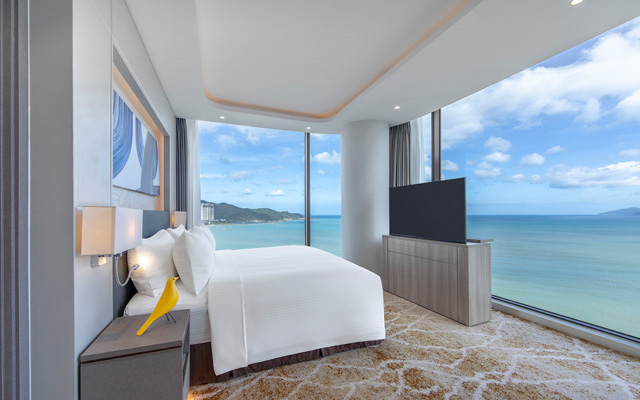











Travel Capitalist Ventures Expands Check Size to $10 Million to Deepen Emerging Market Conviction
Boutique Travel VC raises investment cap from $1.5M to $10M to lead rounds and support portfolio companies through growth Travel...
Read moreDetails
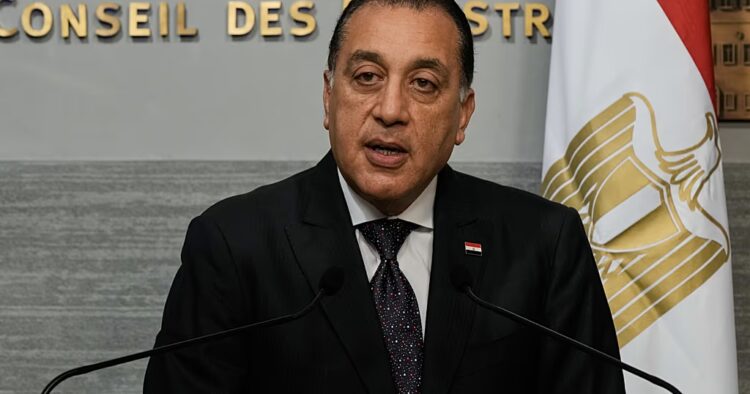
Egypt prime minister defends fuel price hike
Comprehensive Summarization:
Egyptian Prime Minister Mustafa Madbouly announced on Tuesday that his government has decided to raise fuel prices to ensure local production continues and the economy remains stable. This decision was made during a cabinet meeting where Madbouly explained that the government faced a dilemma between maintaining current fuel prices, which would have imposed heavy costs on the state, or raising them to protect industrial and business operations from the repercussions of the U.S.–Israel war on Iran. Despite the increase, Egypt is still absorbing “significant costs.” The article also touches on the latest travel trends and insights from thought leaders, highlighting the importance of staying informed about industry developments.
Key Points:
Actionable Takeaways:
Fuel Price Adjustments and Economic Stability: The decision to raise fuel prices in Egypt underscores the delicate balance governments must strike between maintaining economic stability and managing the immediate financial impact on consumers and businesses. For travel industry stakeholders, this may indicate potential fluctuations in transportation costs, which could influence travel planning and pricing strategies. Understanding these dynamics is crucial for anticipating market shifts and adjusting business models accordingly.
Geopolitical Impact on Travel and Logistics: The article highlights how geopolitical events, such as the U.S.–Israel war on Iran, can have far-reaching effects on fuel prices and, consequently, on travel and logistics industries. Travel companies and logistics providers should monitor geopolitical developments closely to mitigate risks and adapt to potential cost increases. This may involve diversifying supply chains, securing fuel contracts, or exploring alternative transportation routes to ensure operational continuity.
Importance of Staying Informed on Travel Trends: The inclusion of travel trends and insights from thought leaders emphasizes the need for continuous learning and adaptation in the travel industry. Professionals should stay abreast of emerging trends, such as sustainable travel practices, digital transformation in travel services, and the impact of technology on customer experiences. This knowledge enables businesses to innovate, improve service offerings, and remain competitive in a rapidly evolving market.
Contextual Insights:
The decision to raise fuel prices in Egypt is deeply contextual, reflecting broader economic and geopolitical challenges faced by the country. The current global landscape, marked by geopolitical tensions and economic uncertainties, necessitates such strategic adjustments to safeguard national interests and economic stability. For the travel industry, this context underscores the importance of resilience and adaptability. Travel companies must be prepared to navigate fluctuating fuel costs, which can impact operational expenses and pricing strategies. Moreover, the article’s reference to travel trends and insights from thought leaders highlights the sector’s ongoing evolution towards sustainability, digital innovation, and enhanced customer experiences. By integrating these insights, travel stakeholders can position themselves to capitalize on emerging opportunities and address challenges effectively.
Handling Different Article Types:
The article in question is a news brief, providing factual information on a significant government decision and its implications. For such articles, the focus is on delivering clear, concise, and fact-based content. The structured output format ensures that the information is presented in a manner that is easily digestible and actionable for a professional audience. This approach is particularly effective for conveying critical updates and insights in a format that can be seamlessly integrated into reports, presentations, or other professional materials.
Read the Complete Article.
Boutique Travel VC raises investment cap from $1.5M to $10M to lead rounds and support portfolio companies through growth Travel...
Read moreDetails



Comprehensive Summarization: Wizz Air, a leading airline in Central and Eastern Europe, has been named the Official Airline Partner for...
Read moreDetails
