








No products in the cart.
- Latest
- Trending

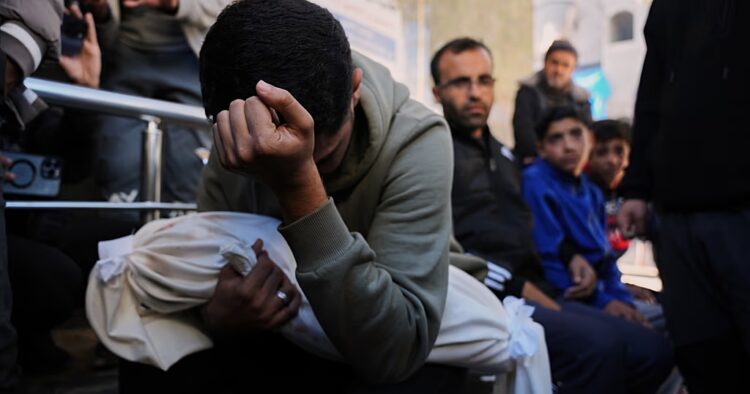
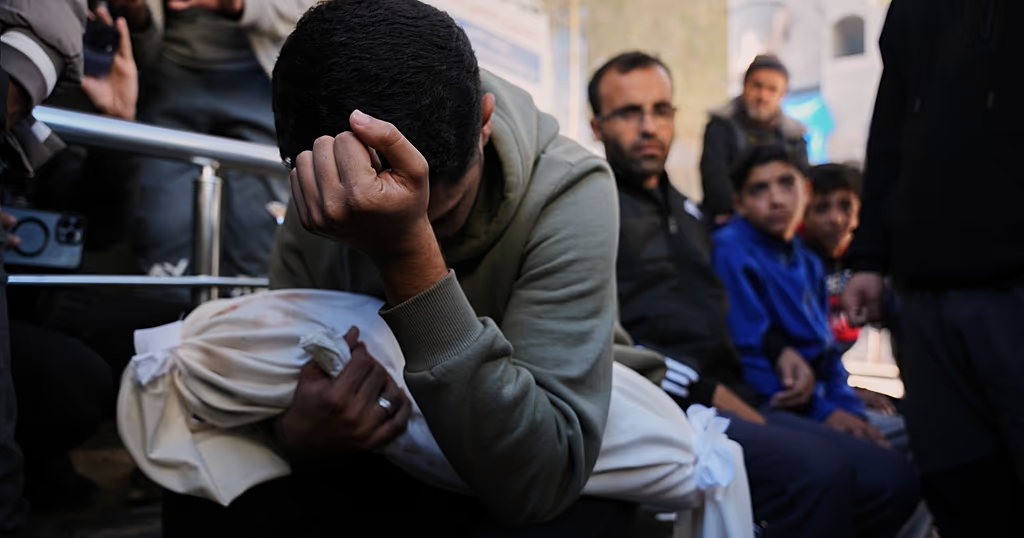
Gaza: Egypt, Russia urge strict implementation of ceasefire deal
Article Summary:
Egyptian Foreign Minister Badr Abdelatty and Russian counterpart Sergey Lavrov discussed the importance of maintaining a ceasefire in the Gaza Strip during a joint news conference. They emphasized the need to fully implement the U.N. Security Council resolution, including unrestricted and unconditional aid into Gaza and reopening the Rafah crossing. The discussion took place at the Second Ministerial Conference of the Russia-Africa Partnership Forum in Cairo.
Key Points:
Actionable Takeaways:
Contextual Insights:
The article reflects the ongoing geopolitical tensions in the Middle East, specifically the Gaza Strip, and the diplomatic efforts to mitigate conflict and promote stability. In the context of the travel industry, these developments underscore the importance of real-time monitoring of political situations and their direct impact on travel safety, visa requirements, and market access. The emphasis on the U.N. Security Council resolution also highlights the global community’s role in enforcing peace and humanitarian aid, which can influence travel policies and industry practices. As the travel industry continues to evolve, staying informed about such diplomatic and humanitarian efforts is crucial for adapting strategies to ensure safe and compliant operations.
Read the Complete Article.
Get curated travel AI insights — choose the newsletters that matter to you.
ALTOUR Expands into Thailand, Strengthening Corporate Travel Network Across Southeast Asia BANGKOK, THAILAND (25 March, 2026) – ALTOUR, a leading...
Read moreDetails


Agentic AI transforms travel in 2026, but its missing piece is true persistence.
Read moreDetails