



No products in the cart.
- Latest
- Trending

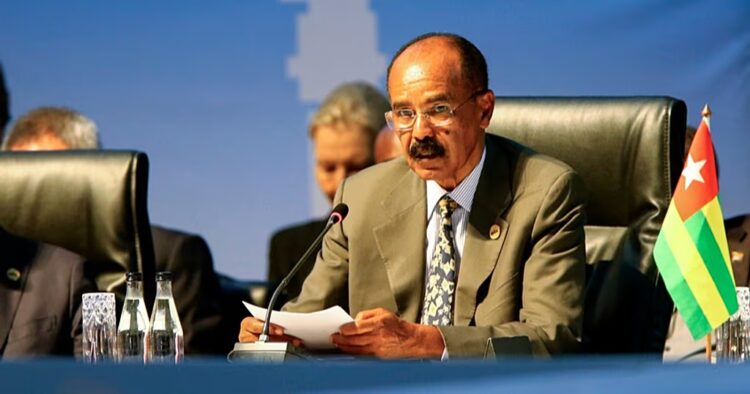
Eritrea announces departure from IGAD regional bloc
Article Summary:
Eritrea has announced its withdrawal from IGAD, the East African regional bloc, citing that the organization has deviated from its founding principles and has not contributed to regional stability. This decision comes amidst a tense diplomatic standoff with neighboring Ethiopia over access to the Red Sea. The move has raised concerns about the potential for renewed armed conflict in the region.
Key Points:
Actionable Takeaways:
Contextual Insights:
The withdrawal of Eritrea from IGAD is a significant development in the East African region, reflecting broader geopolitical tensions. This situation is emblematic of how political instability can disrupt travel and tourism, impacting both local economies and international travel. In the context of travel tech and fintech, this could lead to increased demand for secure payment solutions and travel insurance products tailored to high-risk regions. Startups focusing on travel safety and logistics may find opportunities in developing innovative solutions to mitigate risks associated with political instability. The article also highlights the importance of real-time monitoring and adaptability in the travel industry, as geopolitical events can unfold rapidly and have immediate impacts on travel operations.
Read the Complete Article.
Get curated travel AI insights — choose the newsletters that matter to you.
ALTOUR Expands into Thailand, Strengthening Corporate Travel Network Across Southeast Asia BANGKOK, THAILAND (25 March, 2026) – ALTOUR, a leading...
Read moreDetails


Comprehensive Summarization: Türkiye has experienced significant growth in its tourism sector, ranking 4th globally in visitor numbers since 2017, with...
Read moreDetails