








No products in the cart.
- Latest
- Trending

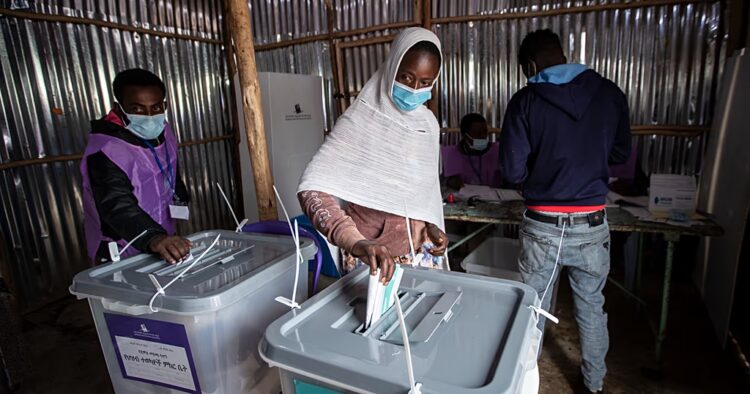
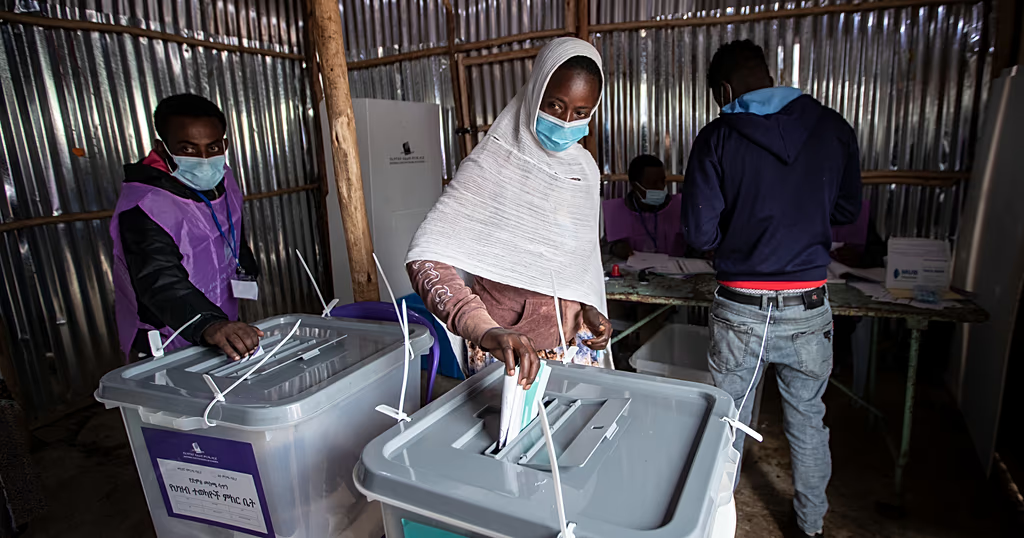
Ethiopia to hold general election on 1 June 2026
Article Summary:
Ethiopia’s electoral commission has announced that the country’s general election will be held on June 1, 2026. The chairperson of the National Board of Ethiopia, Melatwork Hailu, reported that preparations are underway, including organizing branch offices, ensuring polling stations are conducive, and training political parties to publicize their programs. Organizing elections in Ethiopia, still recovering from a civil war, presents various challenges.
Key Points:
Actionable Takeaways:
Contextual Insights:
The timing of the election, set for June 2026, is significant in the context of Ethiopia’s recent history and ongoing recovery efforts. The challenges highlighted, such as the aftermath of a civil war and the logistical complexities of organizing elections in a vast and diverse country, are pertinent to understanding the broader context of democratic governance in post-conflict regions. From a travel industry perspective, the stability and governance of Ethiopia will likely impact tourism trends and investment opportunities in the region. As the country prepares for this major political event, stakeholders in the travel sector should monitor developments closely, as they could influence travel demand, safety considerations, and potential investment in infrastructure and hospitality services.
Read the Complete Article.
Get curated travel AI insights — choose the newsletters that matter to you.
ALTOUR Expands into Thailand, Strengthening Corporate Travel Network Across Southeast Asia BANGKOK, THAILAND (25 March, 2026) – ALTOUR, a leading...
Read moreDetails


Comprehensive Summarization: The article highlights Aizawl, the capital of Mizoram, India, launching a major cleanliness campaign on March 28, 2026,...
Read moreDetails