

No products in the cart.
- Latest
- Trending



Botswana: UK Imposes Visa On Botswana Nationals
Article Summary:
The article highlights the growing contribution of coffee productivity in the Jimma Zone of Ethiopia’s Oromia Regional State to tourism inflow. This development is attributed to improved coffee production practices under nationwide sector reforms, which are enhancing farmers’ livelihoods and attracting visitors interested in Ethiopia’s coffee heritage. The Jimma Zone Agriculture Bureau attributes these positive outcomes to the government’s efforts to modernize coffee production, improve quality, and link it with tourism.
Key Points:
Actionable Takeaways:
Contextual Insights:
The article reflects a broader trend in the travel industry towards experiential tourism, where travelers seek authentic and immersive experiences. The focus on coffee heritage in Ethiopia aligns with this trend, as it offers a unique cultural and historical experience that goes beyond traditional tourist attractions. This development is also indicative of the growing importance of sustainable and community-based tourism, as improved coffee production practices directly benefit local farmers and communities. As the travel industry continues to evolve, such niche tourism offerings are likely to gain traction, especially among travelers who value authenticity and sustainability. Furthermore, the government’s role in modernizing coffee production underscores the importance of public-private partnerships in driving innovation and growth within the sector.
Read the Complete Article.
Get curated travel AI insights — choose the newsletters that matter to you.
This spot is reserved for brands with a compelling story for the travel trade. They use this space to cut...
Read moreDetailsALTOUR Expands into Thailand, Strengthening Corporate Travel Network Across Southeast Asia BANGKOK, THAILAND (25 March, 2026) – ALTOUR, a leading...
Read moreDetails

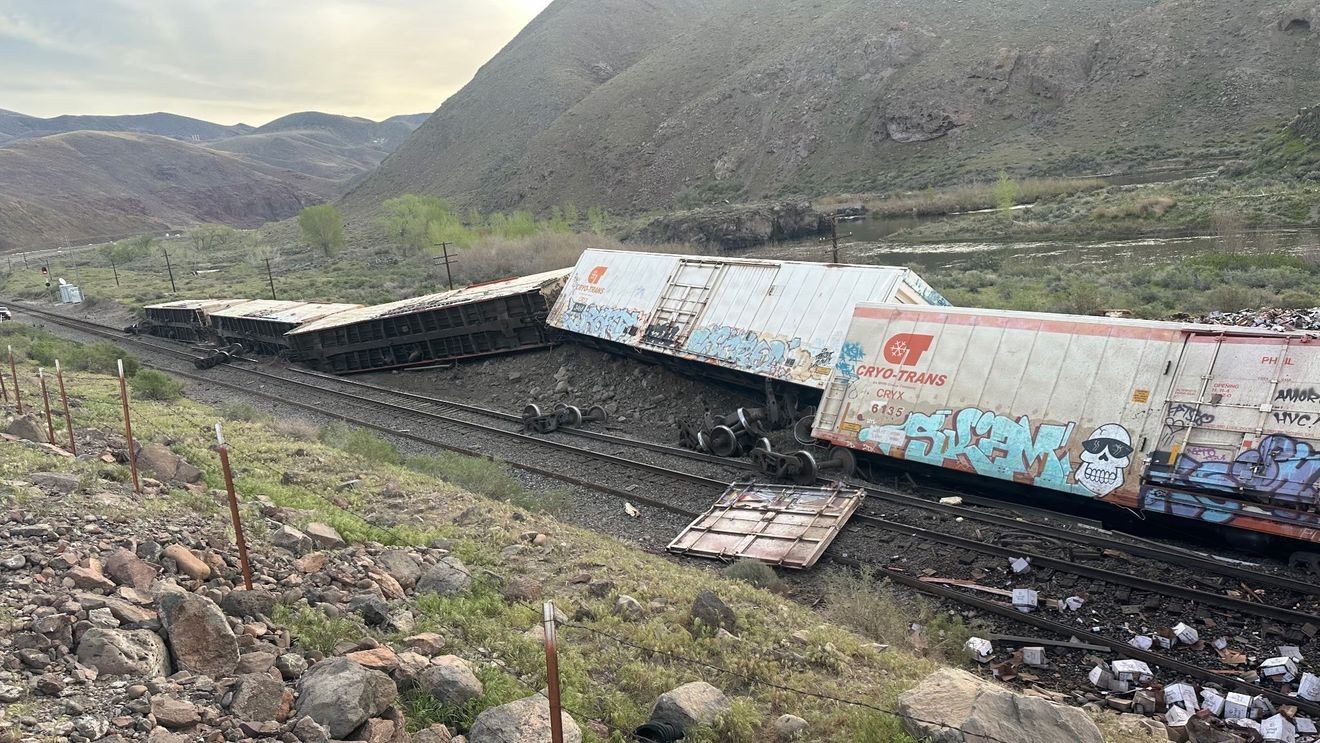
Comprehensive Summarization: On Friday morning, a freight train derailment occurred near USA Parkway, approximately 6:30 a.m. The incident involved the...
Read moreDetails