









No products in the cart.
- Latest
- Trending

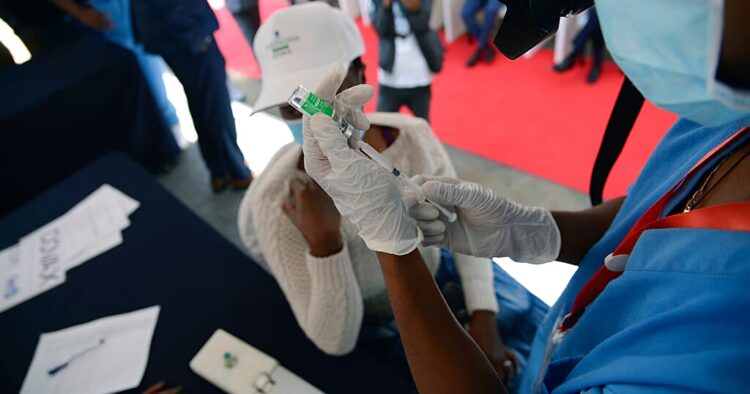
Ethiopia confirms three deaths in new Marburg virus outbreak
Article Summary:
Ethiopia has confirmed the deaths of three individuals who contracted the Marburg virus, with additional fatalities under investigation. The outbreak, declared on Friday, is centered in the Omo region near South Sudan. The Ethiopian Health Minister reported that 17 suspected cases were tested across the country’s south, with 129 people in contact with the infected individuals also under observation.
Key Points:
Actionable Takeaways:
Contextual Insights:
The Marburg virus outbreak in Ethiopia underscores the ongoing challenges in managing infectious disease outbreaks, particularly in regions with limited healthcare infrastructure. The current travel trends indicate a heightened focus on health and safety, with travelers increasingly prioritizing destinations with robust health systems. This situation presents an opportunity for Ethiopia to leverage its travel industry as a platform for showcasing its commitment to public health and safety. By emphasizing its enhanced surveillance and testing capabilities, Ethiopia can attract health-conscious travelers and position itself as a safe destination. Furthermore, the outbreak highlights the importance of integrating travel tech solutions, such as real-time health monitoring and contact tracing apps, to support effective disease management. As the travel industry continues to evolve, embracing innovative technologies and fostering international collaborations will be key to navigating future health crises and maintaining a resilient travel sector.
Read the Complete Article.
Get curated travel AI insights — choose the newsletters that matter to you.
ALTOUR Expands into Thailand, Strengthening Corporate Travel Network Across Southeast Asia BANGKOK, THAILAND (25 March, 2026) – ALTOUR, a leading...
Read moreDetails


Comprehensive Summarization: Kenya Airways is capitalizing on record travel demand and a recent financial turnaround to expand its global network....
Read moreDetails