






No products in the cart.
- Latest
- Trending

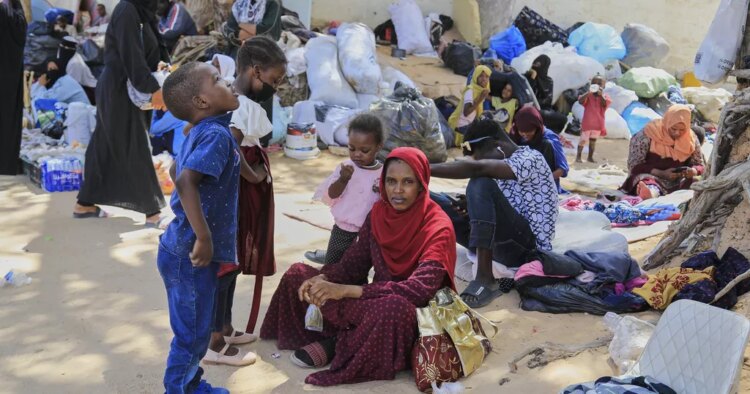
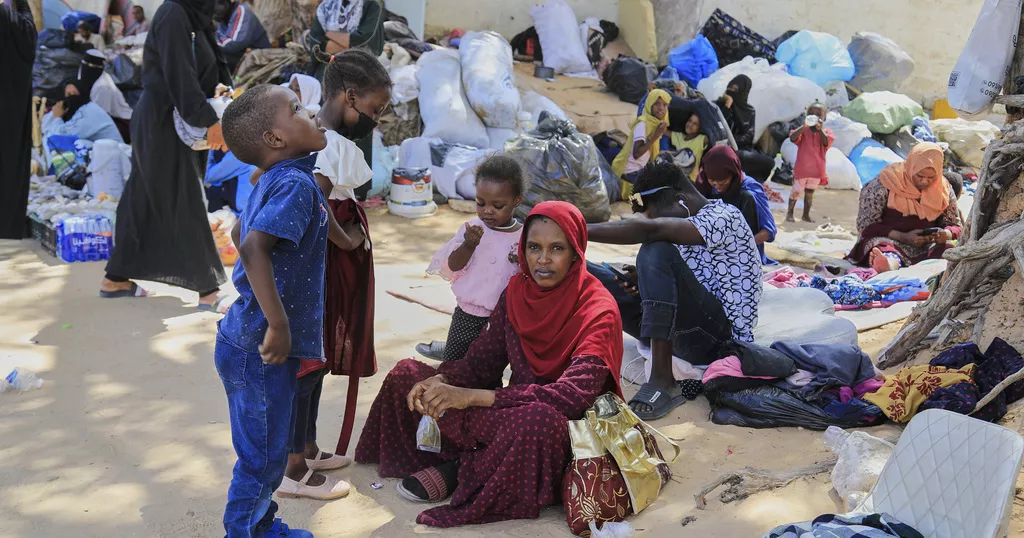
NGO says EU border policy driving young refugees into the hands of traffickers
Article Summary:
The article discusses the concerns raised by the international NGO Save the Children regarding the EU’s increasingly strict policies on unaccompanied children. These policies are reportedly driving vulnerable children into the hands of traffickers. The narrative includes a personal account from a young refugee who fled Sudan over two years ago and reached Crete only recently. The refugee describes witnessing dangerous situations during the war, including the abduction of children by rebel forces. The article also touches on the harsh conditions in prison, highlighting the lack of basic necessities like water and food, which the refugee attributes to the dire circumstances of war.
Key Points:
Actionable Takeaways:
Contextual Insights:
The article reflects the ongoing challenges faced by refugees in navigating the EU’s asylum system, particularly in light of recent policy changes aimed at tightening immigration controls. The increasing vulnerability of unaccompanied children highlights a critical gap in the current framework, where stringent policies may inadvertently facilitate the trafficking of these individuals. This situation underscores the broader issue of balancing national security concerns with humanitarian responsibilities. As the travel industry continues to evolve, with a growing emphasis on safety and ethical practices, it is imperative for stakeholders to address these vulnerabilities. Innovations in travel tech and fintech could play a pivotal role in enhancing the protection of refugees by providing secure and efficient pathways for their relocation and integration. For instance, blockchain-based solutions could offer transparent and immutable records of a refugee’s journey, ensuring accountability and reducing the risk of exploitation. Additionally, fintech innovations could facilitate secure financial transactions for refugees, enabling them to access essential services and support without falling prey to fraudulent schemes. By leveraging these technologies, the travel industry can contribute significantly to the empowerment and safety of displaced individuals, aligning with the broader goal of fostering a more inclusive and secure global community.
Read the Complete Article.
Get curated travel AI insights — choose the newsletters that matter to you.
ALTOUR Expands into Thailand, Strengthening Corporate Travel Network Across Southeast Asia BANGKOK, THAILAND (25 March, 2026) – ALTOUR, a leading...
Read moreDetails


Nepal joins Greece, Honduras, Sri Lanka, Thailand, and Georgia at IMTM 2026 in Tel Aviv, showcasing tourism tech and accessibility...
Read moreDetails