






No products in the cart.
- Latest
- Trending

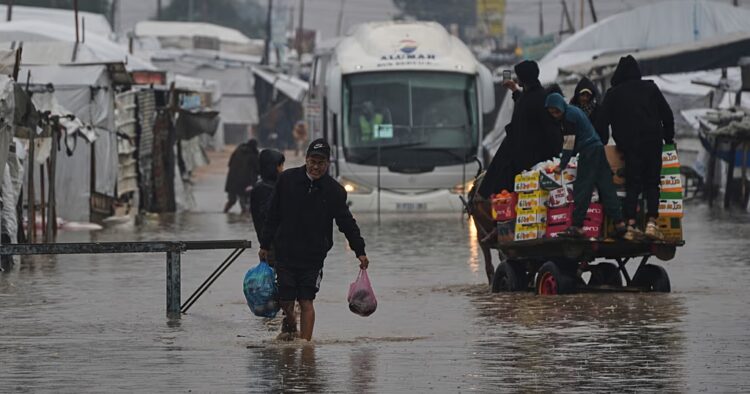
Floodwaters devastate Gaza camps amid ongoing humanitarian crisis
Article Summary:
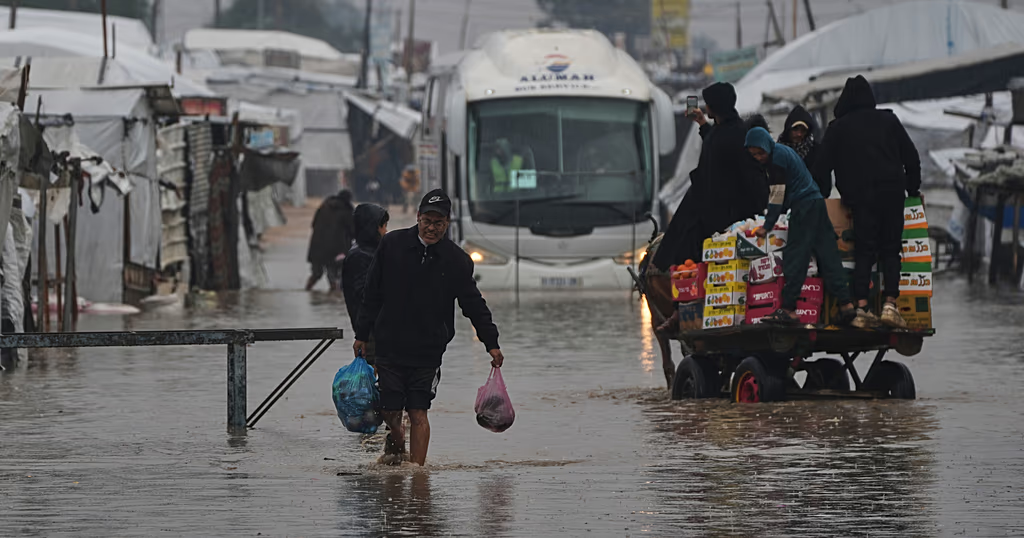
The article reports on the impact of storm Byron on Gaza’s tent camps, highlighting the severe flooding and the failure of the two-month ceasefire to adequately address the ongoing crises. It details the dire conditions, including flooded camps, slow-moving trucks due to mud, and overflowing garbage and sewage. The Israeli military body, COGAT, has not met the stipulation of allowing 600 trucks of aid into Gaza daily, exacerbating the situation. Aid groups express concern over the shelter conditions, indicating a critical need for improved aid logistics and infrastructure in the region.
Key Points:
Actionable Takeaways:
Enhanced Aid Logistics: Given the failure to meet the daily truck limit for aid delivery, there is an urgent need for improved logistics and coordination mechanisms to ensure timely and efficient aid distribution. This could involve leveraging technology for better tracking and management of aid shipments, potentially benefiting from innovations in supply chain management within the travel and logistics sectors.
Infrastructure Investment in Gaza: The severe flooding and inadequate shelter conditions underscore the necessity for substantial investment in infrastructure resilience in Gaza. This could include funding for better tent structures, waste management systems, and flood defenses. Such investments could be a focal point for travel and tourism sectors looking to support sustainable development in conflict-affected regions.
Focus on Post-Crisis Recovery: The article highlights the ongoing crises in Gaza, emphasizing the need for a comprehensive recovery plan. This includes not only immediate aid but also long-term strategies for rebuilding infrastructure and stabilizing the region. Travel and tourism stakeholders could play a role in promoting sustainable tourism initiatives that contribute to economic recovery and resilience building in the region.
Contextual Insights:
The article’s context is deeply rooted in the ongoing conflict and humanitarian crises in Gaza, a region that has faced significant challenges in recent months. The failure to meet the aid delivery targets, despite the ceasefire, underscores the complex challenges faced by humanitarian organizations and the Israeli military in managing the situation. This situation is further compounded by the severe weather conditions brought about by storm Byron, which has exacerbated the existing problems.
In terms of travel and tourism, the article highlights the broader implications of conflict and humanitarian crises on regional development and recovery. It suggests that travel and tourism sectors could contribute to recovery efforts by focusing on sustainable and responsible tourism practices. This could involve supporting local businesses, investing in infrastructure that is resilient to natural disasters, and promoting cultural and educational tourism that fosters understanding and peace-building.
Moreover, the article aligns with current industry trends emphasizing the importance of technology in logistics and supply chain management. Innovations in these areas could play a crucial role in improving aid delivery and infrastructure development in conflict zones. Additionally, there is a growing trend towards investing in infrastructure that is resilient to climate change and natural disasters, which is particularly relevant given the severe weather conditions experienced in Gaza.
Overall, the article provides a sobering look at the current situation in Gaza and highlights the critical need for coordinated efforts in aid delivery, infrastructure development, and sustainable tourism initiatives to support the region’s recovery and long-term stability.
Read the Complete Article.
Get curated travel AI insights — choose the newsletters that matter to you.
ALTOUR Expands into Thailand, Strengthening Corporate Travel Network Across Southeast Asia BANGKOK, THAILAND (25 March, 2026) – ALTOUR, a leading...
Read moreDetails


Comprehensive Summarization: The article highlights Aizawl, the capital of Mizoram, India, launching a major cleanliness campaign on March 28, 2026,...
Read moreDetails