






No products in the cart.
- Latest
- Trending

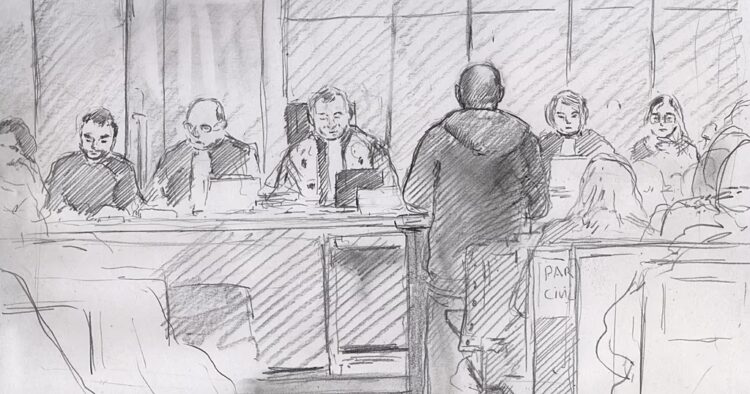
Former Congolese rebel leader jailed in landmark French verdict
Article Summary:
A French court has handed down a significant verdict in the fight against impunity for war crimes committed during the Democratic Republic of Congo’s conflicts. Former rebel leader Roger Lumbala, who was the leader of the Rally for Congolese Democracy-National rebel group, has been sentenced to 30 years in prison. Lumbala was found guilty of complicity in crimes against humanity during a 2002–2003 military operation in eastern Congo, including killings, torture, rape, forced labor, and pillage against civilian populations. The trial was conducted under France’s universal jurisdiction laws, which allow for prosecution of individuals for international crimes committed anywhere in the world.
Key Points:
Actionable Takeaways:
Contextual Insights:
The sentencing of Roger Lumbala under France’s universal jurisdiction laws highlights a growing trend in international justice and accountability. This case is particularly relevant to the travel industry, as it underscores the importance of safety and ethical considerations when operating in regions with a history of conflict. The trend towards enhanced accountability in conflict zones is likely to influence travel and tourism sectors, prompting companies to adopt more stringent risk assessments and safety protocols. Additionally, the case may encourage greater regulatory oversight and stricter compliance measures for travel companies operating in high-risk areas, potentially leading to innovations in travel tech aimed at improving safety and transparency for travelers.
Read the Complete Article.
Get curated travel AI insights — choose the newsletters that matter to you.
ALTOUR Expands into Thailand, Strengthening Corporate Travel Network Across Southeast Asia BANGKOK, THAILAND (25 March, 2026) – ALTOUR, a leading...
Read moreDetails


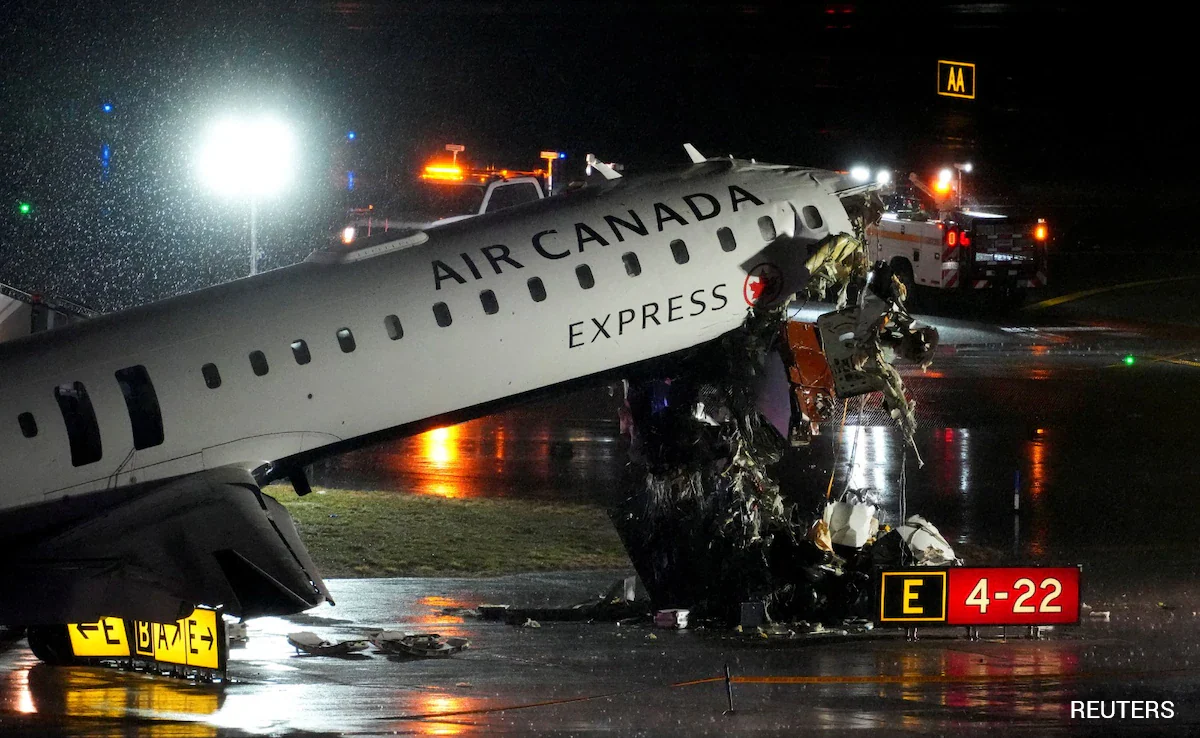
Comprehensive Summarization: LaGuardia Airport experienced significant disruption on March 22 after an Air Canada Express regional jet collided with a...
Read moreDetails