









No products in the cart.
- Latest
- Trending


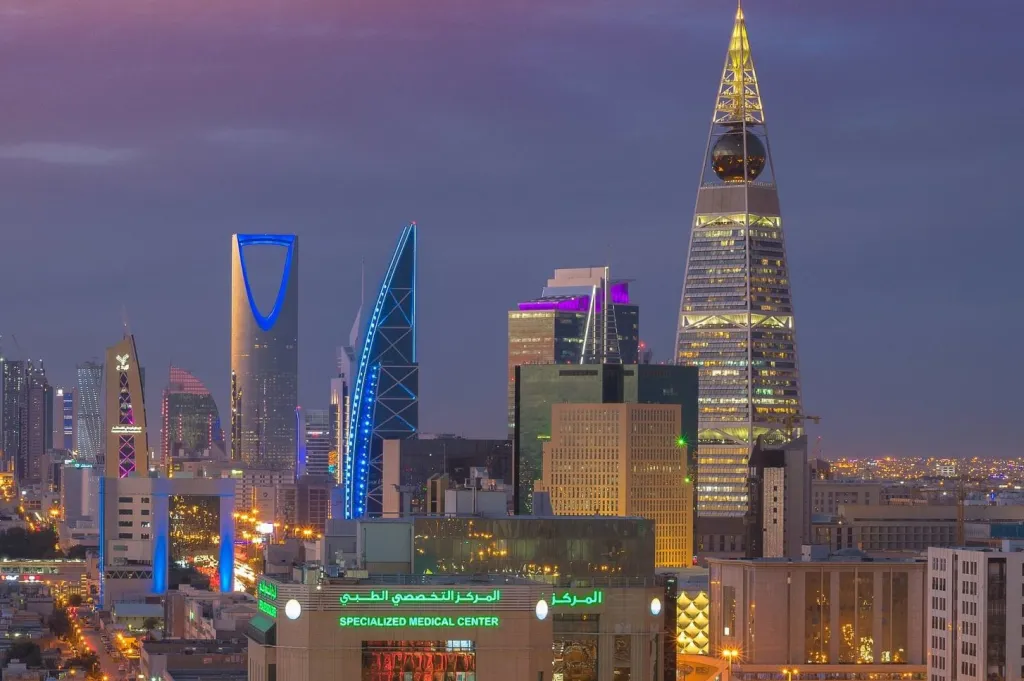
A look at four female directors making waves in Arab cinema
Article Summary:
The article discusses the significant role of Arab female film directors in reshaping Arab cinema, particularly at the Red Sea Film Festival in Jeddah. This year’s festival featured four influential female directors, marking a step towards more diverse narratives in Arab cinema. The festival is part of Saudi Arabia’s broader transformation efforts, which include heavy investments in film, gaming, and sports. However, some rights groups have criticized these actions, suggesting they may divert attention from the kingdom’s human rights record.
Key Points:
Actionable Takeaways:
Contextual Insights:
The article reflects the ongoing transformation of the Arab cultural landscape, driven by increased investment in creative industries and a growing emphasis on diversity and representation. The inclusion of Arab female directors at the Red Sea Film Festival is indicative of broader global trends towards gender equality in creative fields. For the travel industry, this shift presents an opportunity to highlight diverse cultural narratives and experiences, potentially attracting a more inclusive and diverse audience. Moreover, the strategic investments by Saudi Arabia in film, gaming, and sports underscore the country’s ambition to become a major player in the global cultural economy. This context suggests that travel companies and tourism stakeholders should consider how they can align with these cultural shifts, promoting travel experiences that reflect the rich and diverse cultural heritage of the Arab world while adhering to ethical standards in human rights and responsible tourism.
Read the Complete Article.
Get curated travel AI insights — choose the newsletters that matter to you.
ALTOUR Expands into Thailand, Strengthening Corporate Travel Network Across Southeast Asia BANGKOK, THAILAND (25 March, 2026) – ALTOUR, a leading...
Read moreDetails


Comprehensive Summarization: The article reports a significant operational disruption at Ottawa Macdonald–Cartier International Airport (YOW) on March 20, 2026, when...
Read moreDetails