


















Travel Capitalist Ventures Expands Check Size to $10 Million to Deepen Emerging Market Conviction
Boutique Travel VC raises investment cap from $1.5M to $10M to lead rounds and support portfolio companies through growth Travel...
Read moreDetails
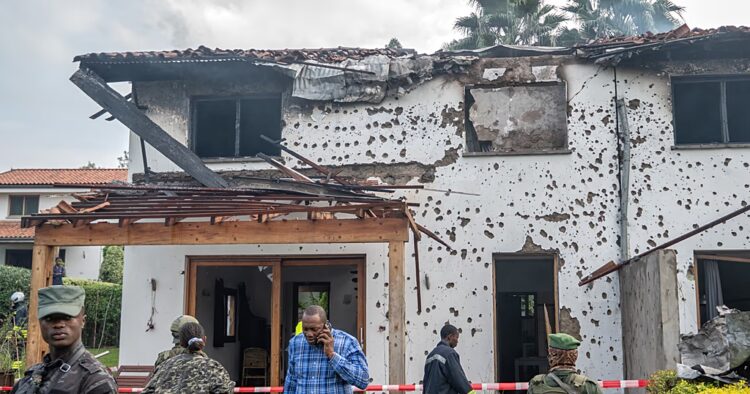
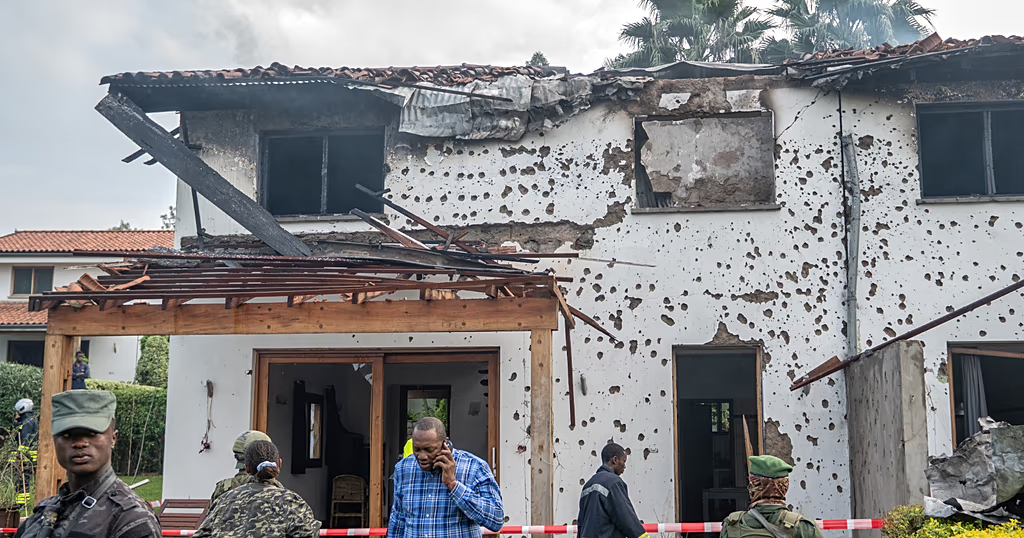
French aid worker among three killed in DR Congo air strike
Comprehensive Summarization:
The article reports on the tragic death of a French aid worker for the UN children’s agency in an air strike in the eastern Democratic Republic of Congo (DRC). The attack occurred in a city controlled by the Rwanda-backed M23 militia, which has been active since 2021, seizing territories with Rwanda’s support and reigniting violence in a region already plagued by conflict. Despite a peace deal signed by Rwanda and the DRC in early December, clashes between the M23 and the Congolese army have persisted. This situation underscores the ongoing instability and challenges in the region, impacting humanitarian efforts and the broader travel and aid landscape in the DRC.
Key Points:
Actionable Takeaways:
Enhanced Security Measures for Aid Workers: Given the ongoing conflict and recent fatalities, travel agencies and humanitarian organizations should reassess and enhance security protocols for aid workers operating in conflict zones. This includes securing travel routes, providing real-time threat assessments, and ensuring comprehensive insurance coverage for staff in high-risk areas.
Focus on Conflict-Affected Travel Insurance: There is a growing need for specialized travel insurance products tailored for travelers and aid workers in conflict zones. These policies should offer comprehensive coverage, including emergency evacuation, medical assistance, and legal support, to mitigate risks associated with operating in unstable regions.
Strengthening Peace Initiatives: The persistence of conflict highlights the importance of continued diplomatic efforts to resolve conflicts in the DRC. Stakeholders, including governments, NGOs, and international bodies, should collaborate to reinforce peace agreements and monitor compliance, ensuring sustainable peace and stability in the region.
Contextual Understanding:
The article reflects the current state of conflict and humanitarian challenges in the eastern DRC, a region with a history of instability and violence. The involvement of the M23 militia, backed by Rwanda, and the subsequent air strike highlight the precarious security environment for aid workers and humanitarian operations. The ongoing peace deal, while a step towards resolution, has not yet translated into sustained peace, as evidenced by continued clashes. This context is crucial for understanding the risks faced by travelers and aid workers in the region and underscores the need for robust security measures and supportive insurance solutions.
Handling Different Article Types:
The article is a news brief, providing factual information about a recent tragic event and its implications. For such articles, the focus is on delivering clear, concise, and factual information. The structured output format ensures that the key points and actionable takeaways are easily digestible and actionable for a professional audience. Given the nature of the content, there are no opinion pieces or feature articles to analyze, simplifying the analysis process to strictly factual reporting.
Read the Complete Article.
Boutique Travel VC raises investment cap from $1.5M to $10M to lead rounds and support portfolio companies through growth Travel...
Read moreDetails



Comprehensive Summarization: Wizz Air, a leading airline in Central and Eastern Europe, has been named the Official Airline Partner for...
Read moreDetails
