




No products in the cart.
- Latest
- Trending

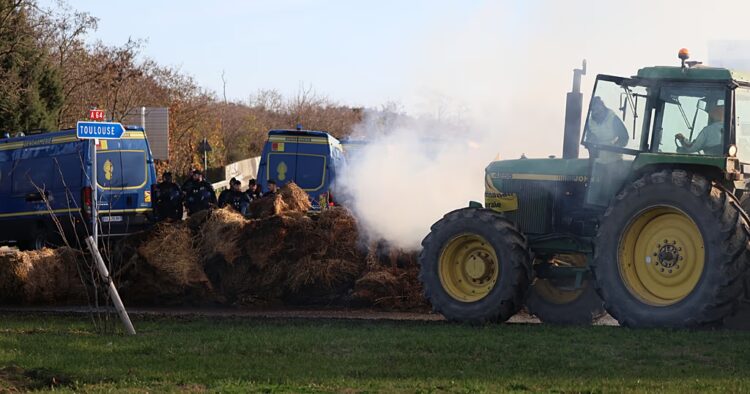
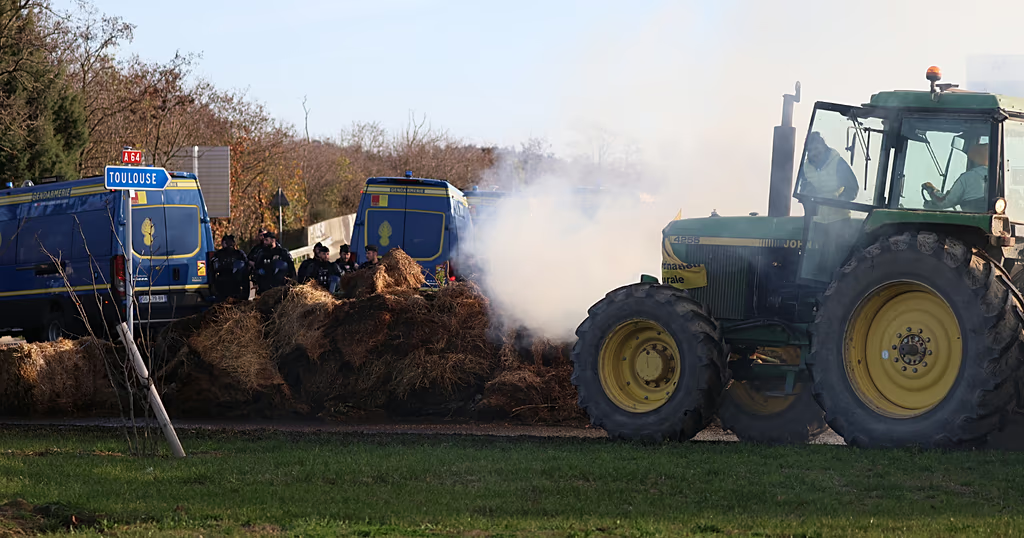
French farmers protest outside Macron’s over EU-Mercosur deal
Article Summary:
French farmers staged an early-morning protest outside President Emmanuel Macron’s residence in Le Touquet, despite a delay in the signing of the EU-Mercosur trade agreement. Around fifty farmers, along with about thirty tractors, gathered on the seafront from 5:30 a.m., with police deployed to monitor the demonstration. The protest follows large-scale demonstrations in Brussels the previous day, where thousands of farmers rallied against the proposed free-trade deal between the European Union and South America.
Key Points:
Actionable Takeaways:
Contextual Insights:
The protest reflects broader trends in the agricultural sector, where farmers are increasingly vocal about their concerns over trade policies that affect their livelihoods. This aligns with the growing emphasis on sustainability and local economies within the travel industry, where agricultural practices and supply chains play a crucial role. As the travel industry continues to evolve, understanding and addressing the concerns of key stakeholders like farmers will be essential for maintaining sustainable and resilient supply chains. Additionally, the demonstration underscores the need for policymakers to engage with diverse sectors to ensure that trade agreements are mutually beneficial and do not inadvertently harm critical industries.
Read the Complete Article.
Get curated travel AI insights — choose the newsletters that matter to you.
ALTOUR Expands into Thailand, Strengthening Corporate Travel Network Across Southeast Asia BANGKOK, THAILAND (25 March, 2026) – ALTOUR, a leading...
Read moreDetails


Comprehensive Summarization: The article reports that Emirates and Flydubai are set to operate a combined 417 departures from Dubai International...
Read moreDetails