


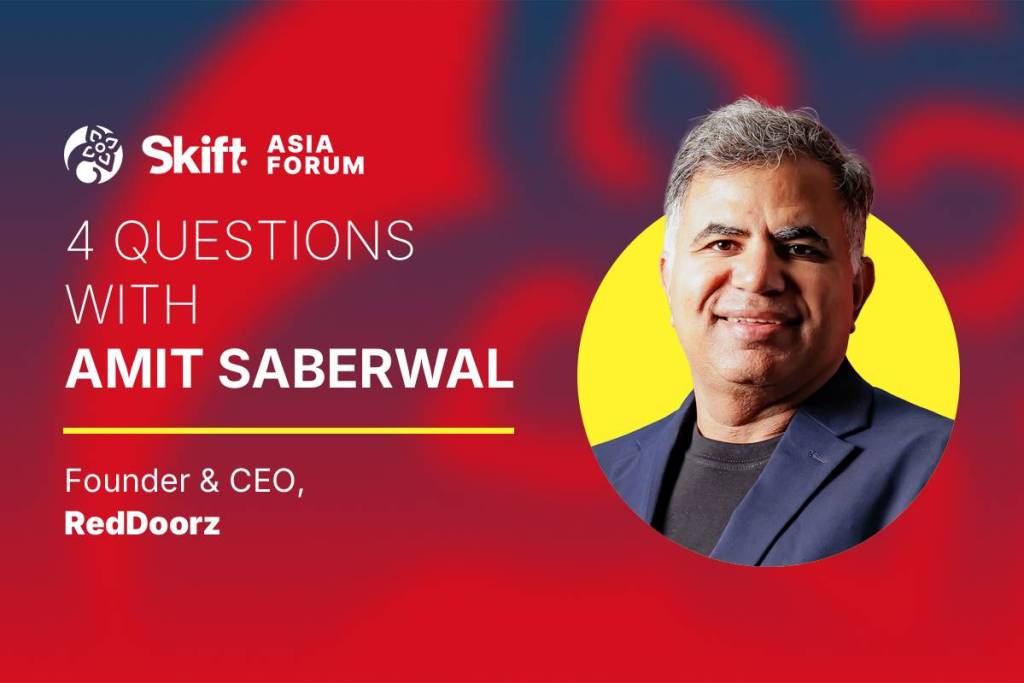



















Travel Capitalist Ventures Expands Check Size to $10 Million to Deepen Emerging Market Conviction
Boutique Travel VC raises investment cap from $1.5M to $10M to lead rounds and support portfolio companies through growth Travel...
Read moreDetails

Comprehensive Summarization:
The Gambia has appointed a special prosecutor, British lawyer Martin Hackett, nearly two years after creating the post to investigate crimes committed during the rule of former strongman Yahya Jammeh (1994-2017). During Jammeh’s regime, approximately 240 to 250 people were killed, and there were instances of torture, kidnappings, witch hunts, and other abuses. Hackett, with a background in war crimes, genocide, and counter-terrorism matters, including work at the United Nations, will lead this investigation. The appointment underscores the country’s commitment to justice and accountability for past human rights abuses.
Key Points:
Actionable Takeaways:
Enhanced Accountability and Justice: The appointment of a special prosecutor signifies a commitment to justice and accountability in The Gambia. This could lead to improved trust in the legal system and a deterrent effect against future abuses. For travel companies operating in the region, ensuring compliance with international human rights standards could enhance their reputation and marketability.
Focus on War Crimes and Human Rights: The involvement of a lawyer with expertise in war crimes and genocide highlights a targeted approach to addressing serious human rights violations. Travel companies should consider integrating human rights due diligence into their operations, particularly in regions with a history of such abuses. This could involve training staff on human rights issues and ensuring that business practices do not contribute to or benefit from human rights violations.
Contextual Insights:
The appointment of a special prosecutor in The Gambia reflects a broader trend of countries seeking to address historical injustices and establish accountability for past abuses. This aligns with current global trends towards restorative justice and the importance of truth and reconciliation processes in rebuilding trust and stability. For the travel industry, this context underscores the importance of ethical business practices and social responsibility. As travel companies increasingly face scrutiny over their operations in regions with complex histories, integrating ethical standards and human rights considerations into their business models will be crucial. This not only mitigates reputational risks but also aligns with the growing consumer demand for responsible travel options.
Read the Complete Article.
Boutique Travel VC raises investment cap from $1.5M to $10M to lead rounds and support portfolio companies through growth Travel...
Read moreDetails


Comprehensive Summarization: The Gambia has appointed a special prosecutor, British lawyer Martin Hackett, nearly two years after creating the post...
Read moreDetails
