






No products in the cart.
- Latest
- Trending


Botswana: UK Imposes Visa On Botswana Nationals
Article Summary:
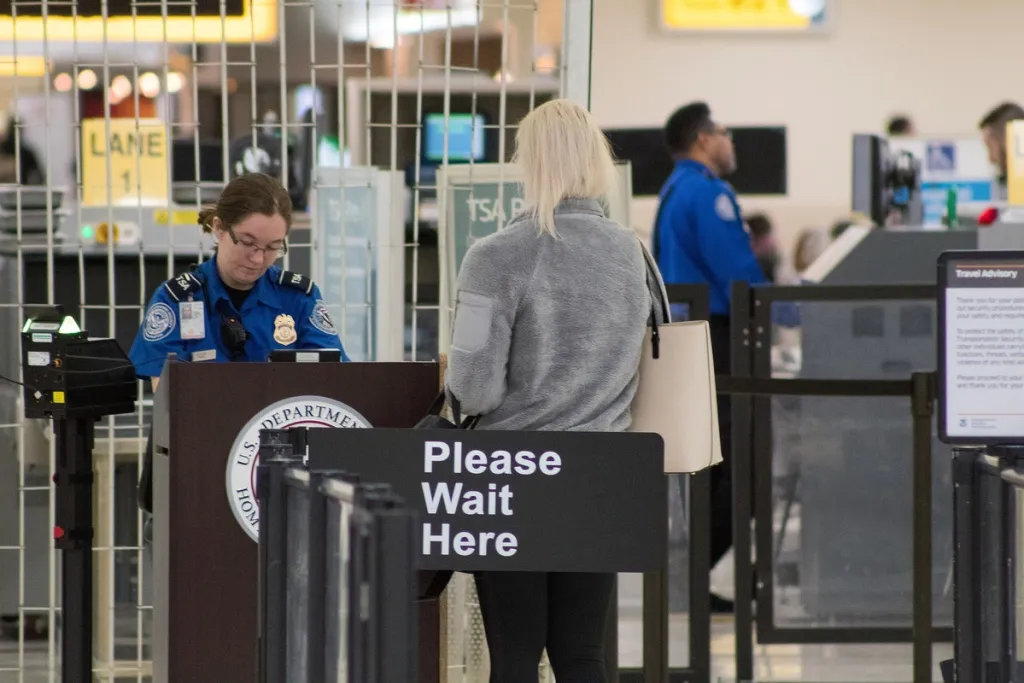
The Gambian Minister for Foreign Affairs, Sering Modou Njie, announced that the United States has imposed visa restrictions on Gambian citizens due to high overstay rates on various types of visas, including B-1/B-2 and F, M, and J visas. This decision is part of a broader US policy targeting countries with high overstay rates. The restrictions affect business, tourist, and student visas, particularly impacting those who have overstayed their visas in the US.
Key Points:
Actionable Takeaways:
Contextual Insights:
The visa restrictions announced by the Gambian government reflect a growing trend among countries to tighten visa policies in response to high overstay rates. This reflects broader challenges in international travel, including issues related to visa overstay management and the impact on bilateral relations. The move by the US aligns with current industry trends focusing on stricter immigration controls and the need for countries to manage their borders effectively. For travel startups and fintech companies, this could present opportunities in developing innovative solutions for visa management, travel insurance, and alternative funding models for international travel, especially for sectors like tourism and education that are directly affected by such policies.
Read the Complete Article.
Get curated travel AI insights — choose the newsletters that matter to you.
This spot is reserved for brands with a compelling story for the travel trade. They use this space to cut...
Read moreDetailsALTOUR Expands into Thailand, Strengthening Corporate Travel Network Across Southeast Asia BANGKOK, THAILAND (25 March, 2026) – ALTOUR, a leading...
Read moreDetails


Comprehensive Summarization: The article reports on the United Arab Emirates (UAE) activating its air-defence network in response to a new...
Read moreDetails