





No products in the cart.
- Latest
- Trending


Botswana: UK Imposes Visa On Botswana Nationals
Article Summary:
The article discusses the challenges faced by the GT Board in managing land allocations within the Tourism Development Area (TDA). Director General Aboubacarr S. Camara revealed that the board has been relying on memory, technical staff knowledge, and scattered files for land allocation decisions due to the lack of a proper database. This oversight was highlighted after Camara learned that several major TDA plots were once owned by the former president, a revelation that underscored the need for a structured system to monitor allocations, track available land, and identify properties seized or flagged by the Janneh Commission.
Key Points:
Actionable Takeaways:
Contextual Insights:
The article reflects a broader trend within the travel industry towards improving operational efficiency and transparency through technological advancements. As travel startups and fintech companies continue to innovate, the demand for robust, data-driven systems to manage resources like land allocation becomes increasingly critical. The lack of a structured database is not unique to the GT Board but is indicative of a systemic issue within the travel sector, where legacy systems often hinder modernization efforts. Forward-looking insights suggest that embracing digital transformation in land management could set a precedent for other sectors within the travel industry, fostering greater efficiency and trust among stakeholders. This aligns with the current emphasis on leveraging technology to solve longstanding industry challenges, positioning companies that adopt such innovations as leaders in operational excellence and customer satisfaction.
Read the Complete Article.
Get curated travel AI insights — choose the newsletters that matter to you.
ALTOUR Expands into Thailand, Strengthening Corporate Travel Network Across Southeast Asia BANGKOK, THAILAND (25 March, 2026) – ALTOUR, a leading...
Read moreDetails


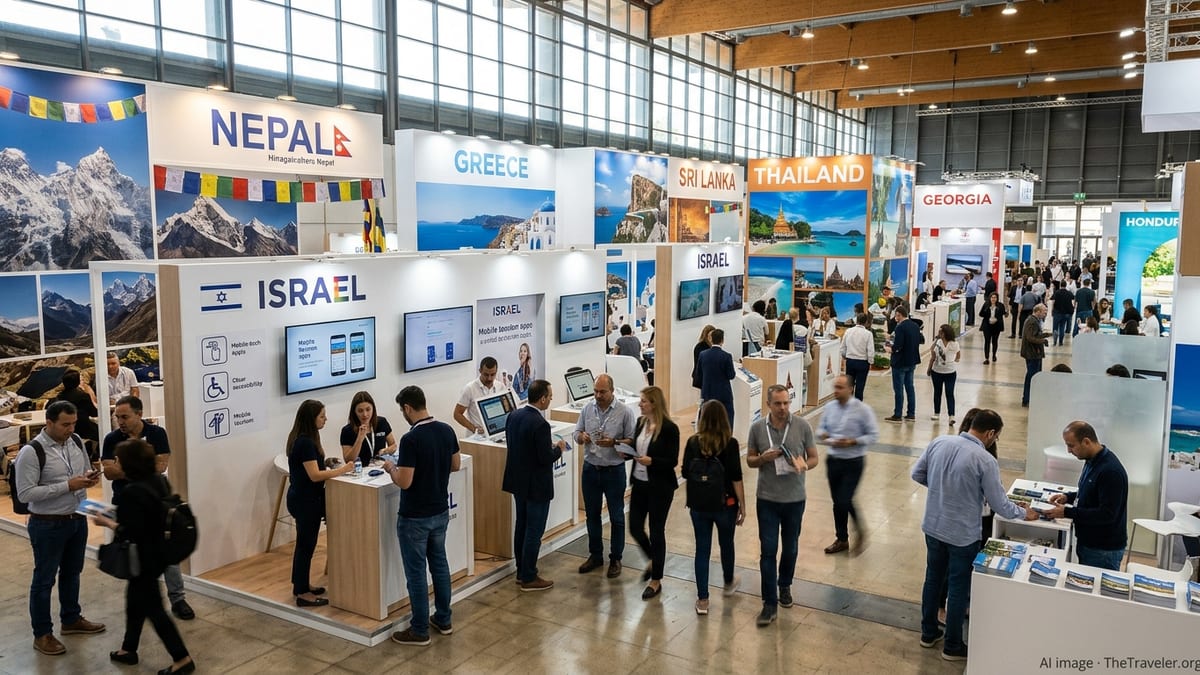
Nepal joins Greece, Honduras, Sri Lanka, Thailand, and Georgia at IMTM 2026 in Tel Aviv, showcasing tourism tech and accessibility...
Read moreDetails