






![[At one go] There was no reverse sweep Korean Air 'Champ Up With Winning Game 5'](https://images.traveltrade.today/wp-content/uploads/2026/04/Korean-Air-Triumphs-in-Game-5-Reverse-Sweep-Victory.jpg)















Travel Capitalist Ventures Expands Check Size to $10 Million to Deepen Emerging Market Conviction
Boutique Travel VC raises investment cap from $1.5M to $10M to lead rounds and support portfolio companies through growth Travel...
Read moreDetails
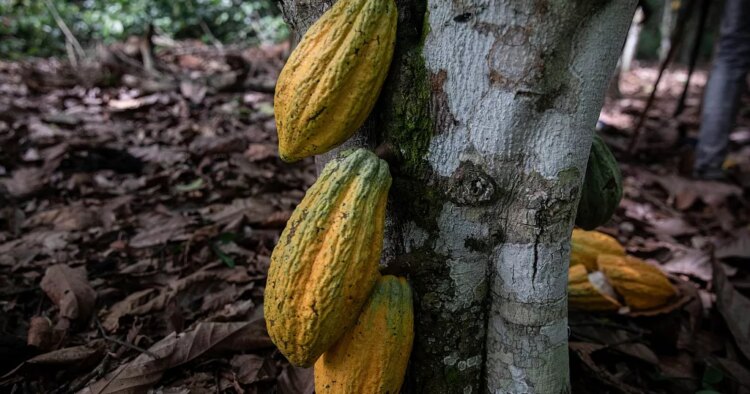
Cocoa: Ghana slashes farmgate rate paid to farmers
Comprehensive Summarization:
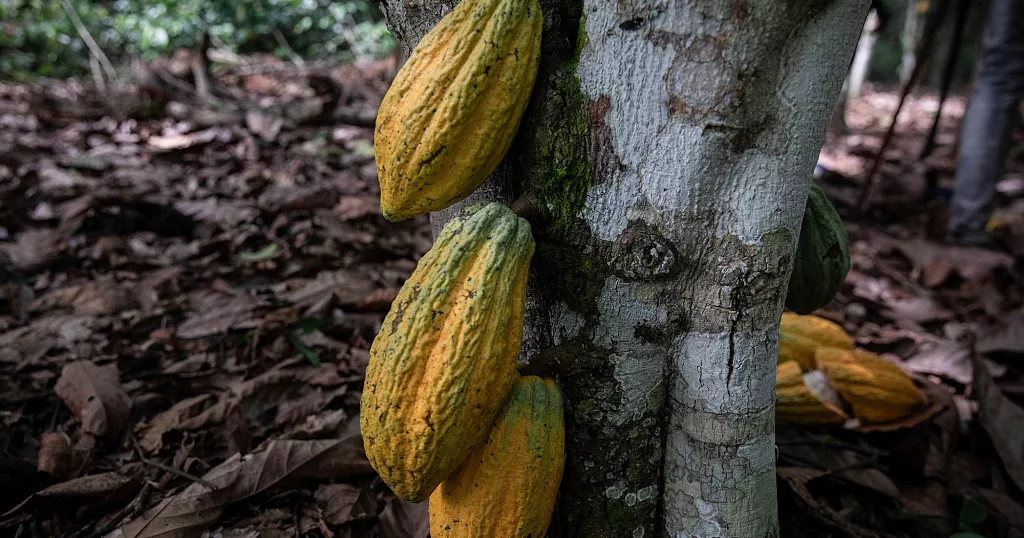
Ghana has reduced its farmgate cocoa rate paid to farmers due to a decline in global cocoa prices. This move aligns the local price with the international market to stimulate demand. Ghana, the world’s second-largest cocoa producer, has faced challenges in paying farmers as demand for cocoa has dropped, causing global cocoa prices to halve over the past year to around $4000 per metric ton. The payment delays have left thousands of farmers without income for basic needs, and unsold bean stocks have accumulated.
Key Points:
Actionable Takeaways:
Support for Ghanaian Farmers: Implementing government-backed financial assistance programs could help stabilize cocoa farmers’ incomes, ensuring they have the necessary funds for food and farm maintenance. This could be crucial for maintaining the livelihoods of farmers and supporting Ghana’s cocoa industry.
Market Price Stability: Encouraging policies that stabilize cocoa prices could benefit both farmers and consumers. Stable prices would provide farmers with predictable income, while consumers would enjoy more consistent cocoa product pricing.
Investment in Cocoa Supply Chain: Investing in technology and infrastructure to improve the cocoa supply chain could enhance efficiency and reduce waste. This could involve better storage solutions for unsold beans and more efficient transportation methods, ultimately benefiting the entire cocoa industry.
Contextual Insights:
The reduction in Ghana’s farmgate cocoa rate reflects broader market trends where global cocoa prices have plummeted, impacting major producers like Ghana. This situation highlights the vulnerability of cocoa-dependent economies to global market fluctuations. The article underscores the need for strategic interventions to support farmers during such downturns, emphasizing the interconnectedness of agricultural sectors and the global economy. In the context of travel tech and fintech, this scenario could inspire innovations in agricultural financing and supply chain management, leveraging technology to mitigate risks associated with commodity price volatility. Thought leaders might advocate for the integration of blockchain technology to ensure transparent and efficient payment systems for farmers, thereby fostering resilience in the face of market uncertainties.
Read the Complete Article.
Boutique Travel VC raises investment cap from $1.5M to $10M to lead rounds and support portfolio companies through growth Travel...
Read moreDetails



Cruise Tourism Generates $98.5 Billion in Global GDP, WTTC Report Shows In short: Cruise tourism contributes $98.5 billion to global...
Read moreDetails
