





No products in the cart.
- Latest
- Trending


Botswana: UK Imposes Visa On Botswana Nationals
Article Summary:
The article reports on a significant issue faced by travelers in Accra, Ghana, where hundreds of passengers were stranded at major transport terminals following an acute shortage of intercity buses. This situation occurred amid the post-Christmas and New Year travel rush, coinciding with the resumption of work and school. The shortage led to long queues, frustration, and concerns over missed reporting, highlighting the challenges faced by the travel sector during peak travel times.
Key Points:
Actionable Takeaways:
Contextual Insights:
The article reflects the broader challenges faced by the travel industry during peak travel seasons, such as post-Christmas and New Year travel rushes. The acute shortage of intercity buses underscores the vulnerability of transport systems to sudden surges in demand, especially when combined with resumption of work and school activities. This situation highlights the need for robust contingency planning and investment in travel infrastructure to handle such fluctuations effectively.
In the context of current travel trends, the incident emphasizes the importance of leveraging technology to enhance travel experiences. Innovations in travel tech, such as real-time information systems and predictive analytics for fleet management, are becoming increasingly vital. Startups and established players in the travel sector are focusing on developing solutions that improve operational efficiency and passenger satisfaction. The article serves as a reminder of the ongoing need for innovation and adaptation in the travel industry to meet the demands of modern travelers.
Read the Complete Article.
Get curated travel AI insights — choose the newsletters that matter to you.
This spot is reserved for brands with a compelling story for the travel trade. They use this space to cut...
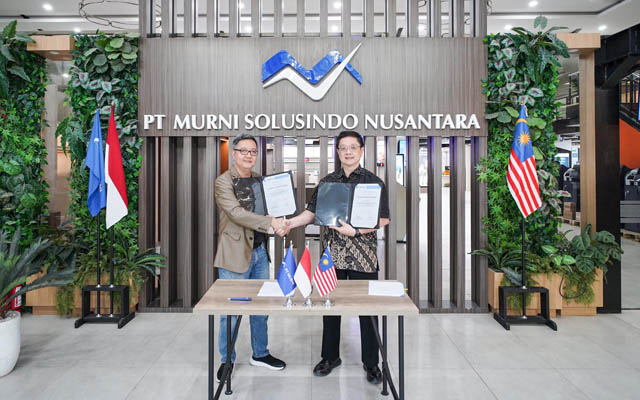
Read moreDetailsALTOUR Expands into Thailand, Strengthening Corporate Travel Network Across Southeast Asia BANGKOK, THAILAND (25 March, 2026) – ALTOUR, a leading...
Read moreDetails


Comprehensive Summarization: The article from INSETE highlights a significant 5.9% increase in international air arrivals to Greece in 2025, reaching...
Read moreDetails