




No products in the cart.
- Latest
- Trending


Article Summary:
On January 6, Greece observed Epiphany with the traditional blessing of the waters, a ritual that involves the Orthodox priest throwing a wooden cross into the sea. This ceremony, which took place in the port city of Piraeus, was attended by dozens of young men who dove into the cold sea. The ritual is believed to bring good fortune for the year ahead. Similar rites were held in other coastal towns across Greece.
Key Points:
Actionable Takeaways:
Contextual Insights:
The Epiphany ritual in Greece is a deeply rooted cultural tradition that continues to be observed annually. This event highlights the importance of cultural tourism in the travel industry, where unique, locally-rooted experiences can attract visitors seeking authentic travel experiences. The cold water temperatures during the ritual present a logistical challenge, but also an opportunity for travel companies to market the event as a unique winter activity. Furthermore, the ritual’s community aspect underscores the importance of local economic impact in travel planning, suggesting that travel companies should consider partnering with local businesses to enhance the visitor experience.
Read the Complete Article.
Get curated travel AI insights — choose the newsletters that matter to you.
This spot is reserved for brands with a compelling story for the travel trade. They use this space to cut...
Read moreDetailsALTOUR Expands into Thailand, Strengthening Corporate Travel Network Across Southeast Asia BANGKOK, THAILAND (25 March, 2026) – ALTOUR, a leading...
Read moreDetails

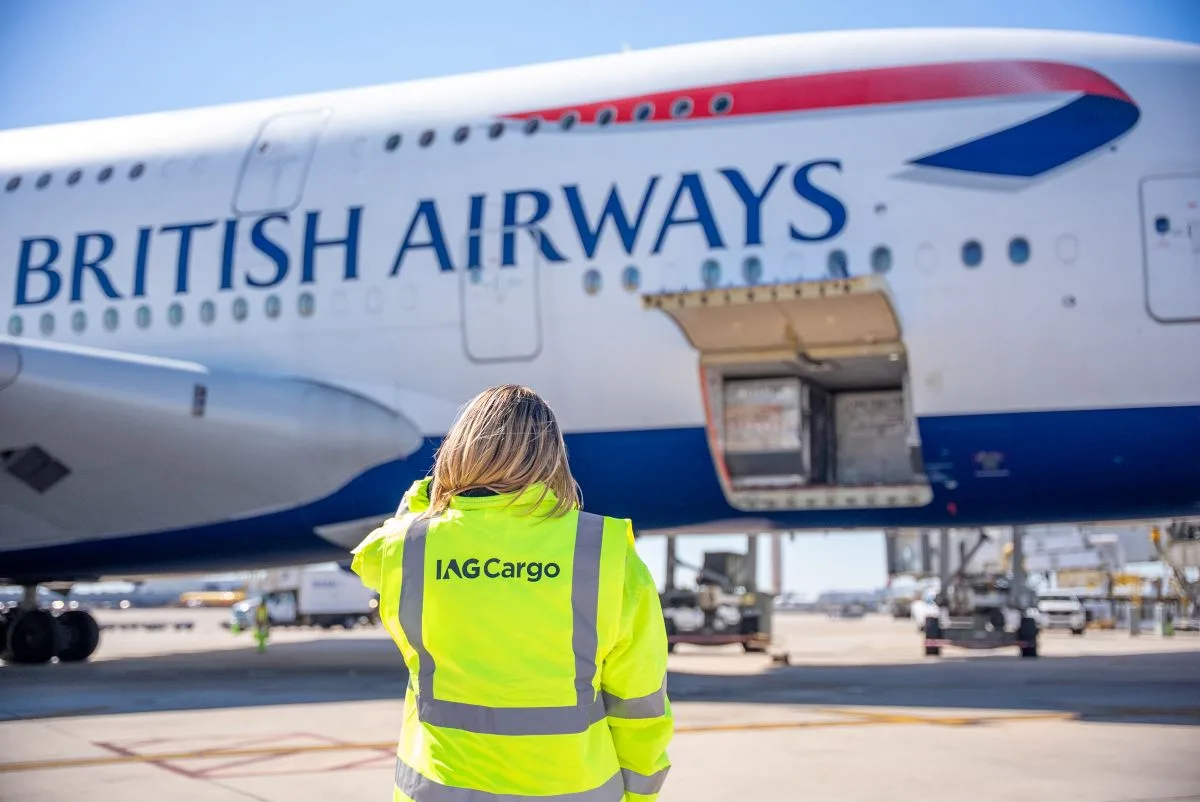
Comprehensive Summarization: The International Air Transport Association (IATA) has emphasized three critical priorities for the global air cargo industry: accelerating...
Read moreDetails