









No products in the cart.
- Latest
- Trending

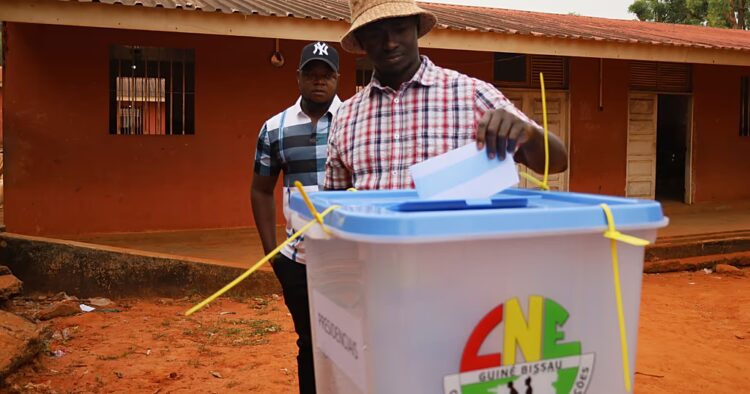
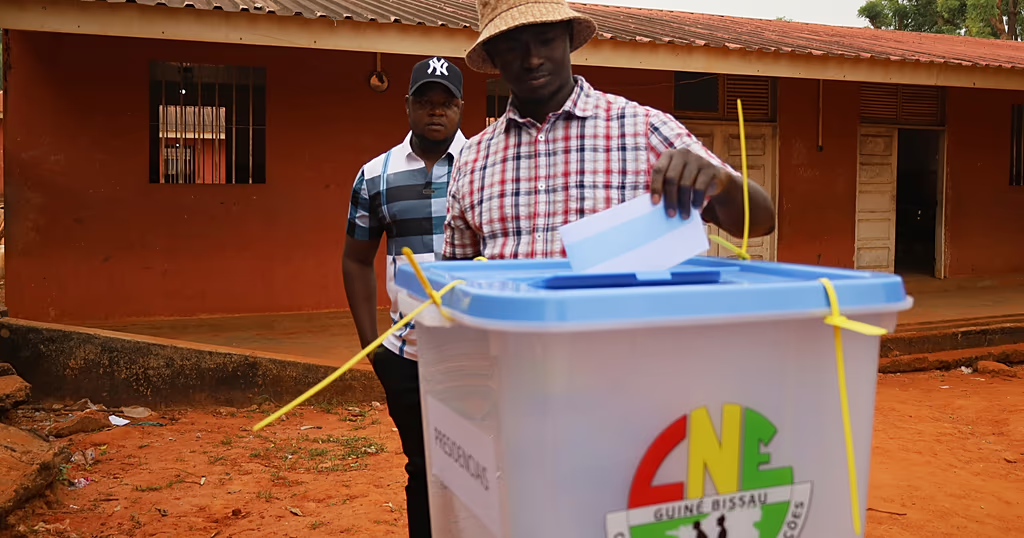
Guinea-Bissau's electoral commission says its unable to finalise election results
Article Summary:
The article reports on the unresolved outcome of Guinea-Bissau’s recent presidential election, which was marred by a break-in at the electoral commission’s office. The intruders stole ballots and vote tallies, destroyed servers storing the results, and prevented the commission from finalizing the election results. Idrissa Djalo, a senior official of the electoral commission, stated that the commission is unable to proceed with the electoral process due to the material and logistical challenges posed by the incident.
Key Points:
Actionable Takeaways:
Contextual Insights:
The incident in Guinea-Bissau reflects broader challenges faced by electoral systems worldwide, particularly in regions with limited resources and infrastructure. The reliance on physical infrastructure, such as servers and ballot storage, makes electoral processes susceptible to physical attacks. This highlights the importance of integrating digital security measures with traditional security protocols to protect election integrity. Furthermore, the incident underscores the need for international support and cooperation in ensuring fair and transparent elections, especially in countries with histories of political instability. Travel and business sectors may also consider the political climate and electoral stability when planning investments or operations in Guinea-Bissau, as these factors can influence risk assessments and market confidence.
Read the Complete Article.
Get curated travel AI insights — choose the newsletters that matter to you.
ALTOUR Expands into Thailand, Strengthening Corporate Travel Network Across Southeast Asia BANGKOK, THAILAND (25 March, 2026) – ALTOUR, a leading...
Read moreDetails


Comprehensive Summarization: The article reports on recent developments concerning Iranian nationals holding residence visas in the UAE. Reports from UAE...
Read moreDetails