





















Travel Capitalist Ventures Expands Check Size to $10 Million to Deepen Emerging Market Conviction
Boutique Travel VC raises investment cap from $1.5M to $10M to lead rounds and support portfolio companies through growth Travel...
Read moreDetails
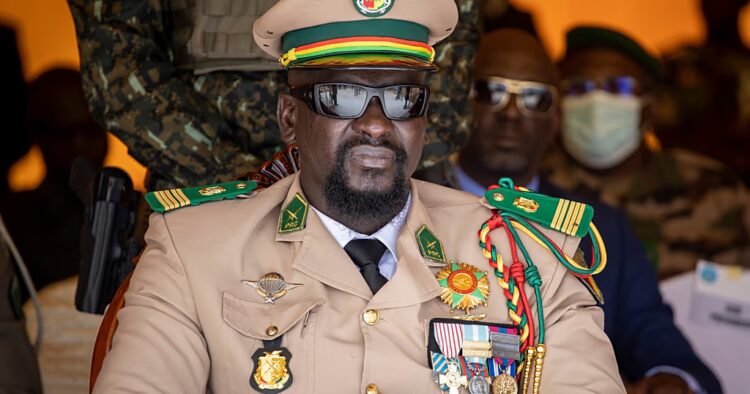
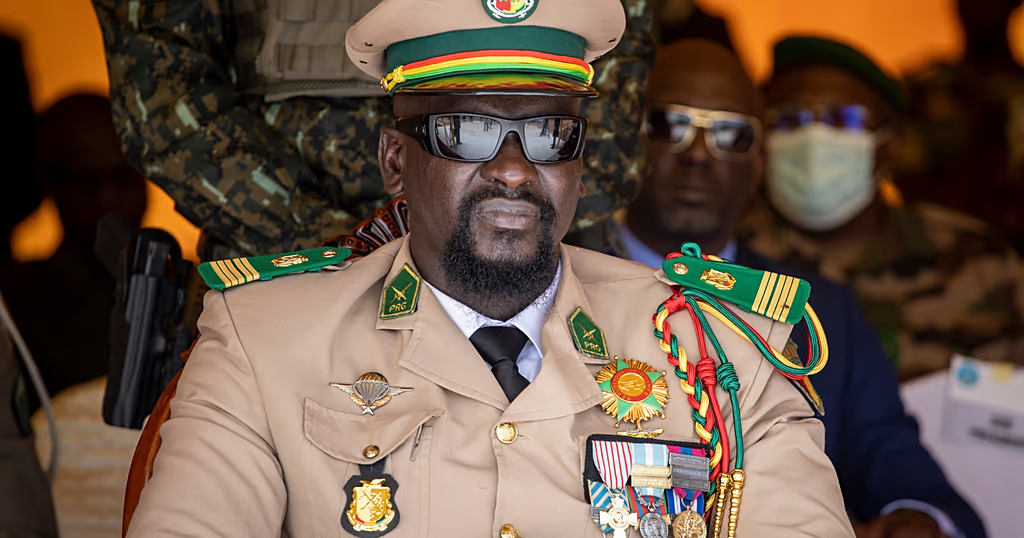
Guinea's junta dissolves 40 political parties with late-night decree
Comprehensive Summarization:
The article reports on Guinea’s dissolution of 40 political parties, including its three main opposition groups, through a late-night decree. This action is part of a series of crackdowns on civil liberties under the rule of longtime strongman Mamady Doumbouya, who came to power in a 2021 coup and was elected president in a vote where all major opposition leaders were barred. As junta leader, Doumbouya has been suppressing freedoms, banning protests, arresting political opponents, and increasing enforced disappearances and kidnappings. The context provided highlights the ongoing suppression of civil liberties and political opposition in Guinea, painting a picture of a repressive regime with significant implications for the country’s political landscape and its citizens’ rights.
Key Points:
Actionable Takeaways:
Political Stability Concerns: The dissolution of political parties and suppression of civil liberties in Guinea could lead to political instability. For international businesses and investors, this environment poses risks, particularly in sectors reliant on political stability such as infrastructure and energy. Understanding the political landscape is crucial for assessing potential investment risks and opportunities in Guinea.
Impact on Civil Rights and Humanitarian Efforts: The suppression of political freedoms and the increase in enforced disappearances and kidnappings raise serious concerns about human rights in Guinea. For NGOs and humanitarian organizations, this context underscores the challenges they face in operating effectively within the country. It may also influence donor countries and international bodies in their approach to supporting Guinea, potentially leading to increased scrutiny and stricter conditions for aid and assistance.
Contextual Insights:
The article reflects a concerning trend in political repression, where governments crack down on opposition parties and civil liberties to maintain control. This scenario is not unique to Guinea but is part of a broader pattern observed in various regions where authoritarian regimes seek to consolidate power. In the context of the travel industry, such political instability can deter tourism and investment, as potential visitors and investors may perceive the country as risky. Travel agencies and tourism boards may need to adjust their strategies, possibly emphasizing safety and security assurances to potential travelers. Moreover, the situation highlights the importance of monitoring political developments in travel planning, as political climates can significantly impact travel demand and market dynamics. For startups and fintech innovations, the political environment in Guinea presents both challenges and opportunities. While instability can deter investment in the country, it may also spur innovation in sectors like fintech, where secure and reliable financial systems are crucial for economic stability and growth. Companies focusing on secure payment solutions and digital financial services could find a niche in supporting businesses and individuals navigating a politically volatile environment.
Read the Complete Article.
Boutique Travel VC raises investment cap from $1.5M to $10M to lead rounds and support portfolio companies through growth Travel...
Read moreDetails



Comprehensive Summarization: Uber has announced its acquisition of Blacklane, a Berlin-based global chauffeur service platform, in a deal expected to...
Read moreDetails
