


















Travel Capitalist Ventures Expands Check Size to $10 Million to Deepen Emerging Market Conviction
Boutique Travel VC raises investment cap from $1.5M to $10M to lead rounds and support portfolio companies through growth Travel...
Read moreDetails
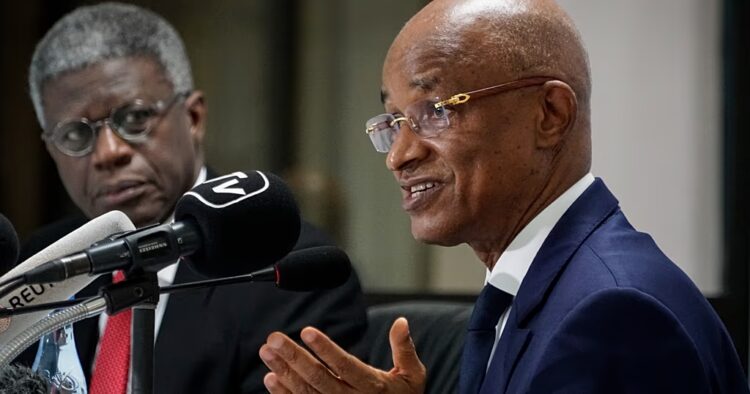
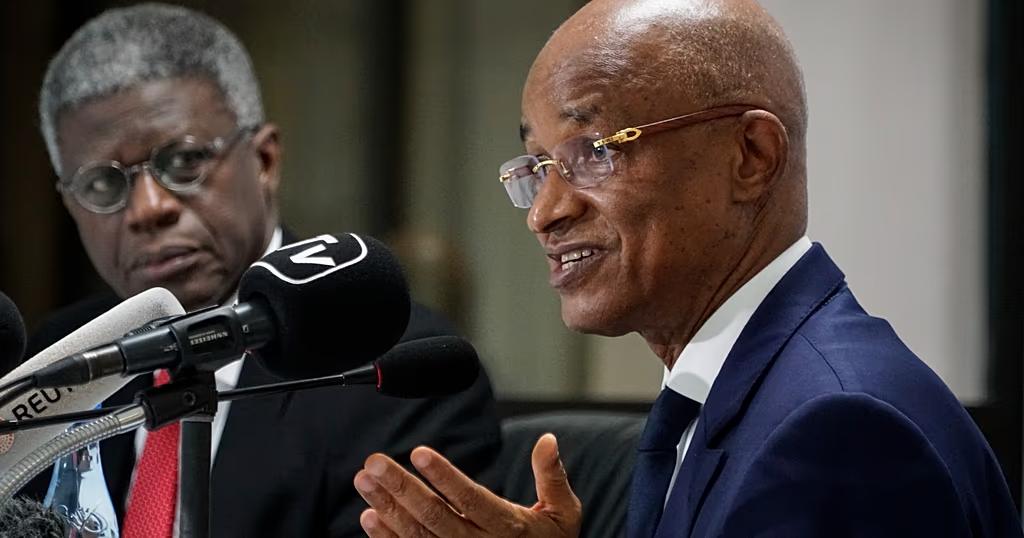
Guinea: Opposition reacts to dissolution of 40 political parties
Comprehensive Summarization:
The article reports that Guinea’s main opposition figure, Cellou Dalein Diallo, has accused President Mamadi Doumbouya of attempting to establish a one-party state following the dissolution of 40 political parties by decree. Diallo, the leader of the Union of Democratic Forces of Guinea, which was among the dissolved parties, highlighted this move. Other dissolved parties include the Rally of the Guinean people, the former party of former President Alpha Condé, and the Union of Republican Forces, led by Sidya Touré. These parties had already been suspended in August. The dissolution of these parties underscores the political tension in Guinea and the potential implications for the country’s democratic processes and governance.
Key Points:
Actionable Takeaways:
Political Stability Concerns: The dissolution of multiple political parties raises concerns about political stability in Guinea. Stakeholders in the travel industry should monitor the situation closely, as political unrest can significantly impact tourism and investment in the country. Understanding the political climate is crucial for assessing risks and opportunities in Guinea’s travel market.
Impact on Tourism: Political instability often leads to a decline in tourism. Travel agencies and tour operators should assess the potential impact on Guinea’s tourism sector. This includes evaluating travel advisories, adjusting marketing strategies, and preparing contingency plans for any disruptions in travel bookings or itineraries.
Contextual Insights:
The dissolution of political parties in Guinea is a significant development that reflects broader trends of political instability in various regions. In the context of the travel industry, such events can lead to shifts in consumer behavior, with potential impacts on travel demand and market dynamics. Thought leaders in travel tech and fintech may see opportunities in developing solutions that enhance travel safety, facilitate secure transactions, and provide real-time updates on political developments. For instance, fintech innovations could help travelers manage currency risks and ensure secure payments, while travel tech could offer tools for monitoring political news and advising travelers on safety measures. Staying informed about such developments allows industry professionals to adapt strategies proactively, ensuring resilience and continuity in the face of political changes.
Read the Complete Article.
Boutique Travel VC raises investment cap from $1.5M to $10M to lead rounds and support portfolio companies through growth Travel...
Read moreDetails



Comprehensive Summarization: The article from the Nepal Police's Central Investigation Bureau (CIB) reveals one of the largest insurance frauds in...
Read moreDetails
