

No products in the cart.
- Latest
- Trending

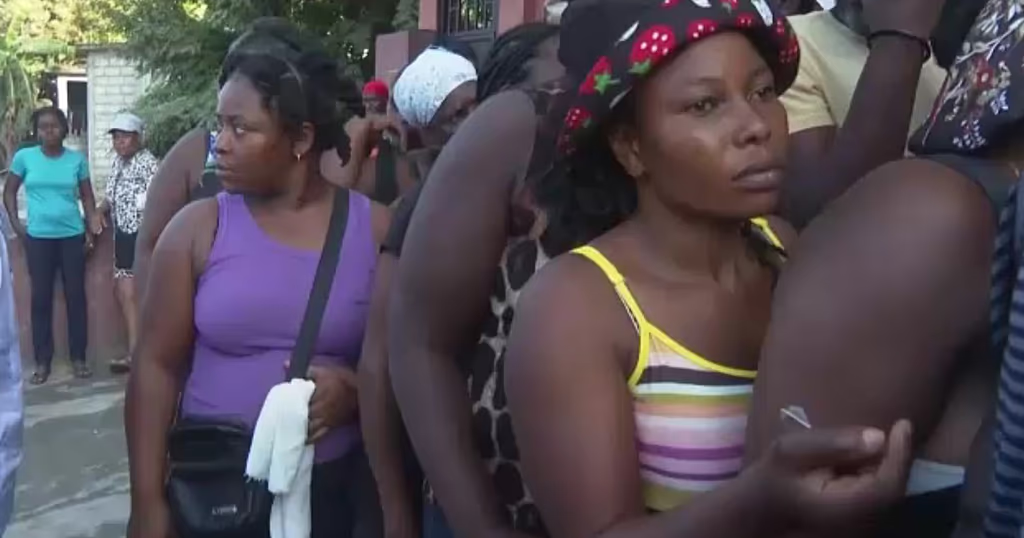
Haitians try to rebuild lives in aftermath of Hurricane Melissa
Article Summary:
The article reports on residents in Petit-Goâve, Haiti, receiving cash assistance from the World Food Programme to buy food following the devastation caused by Hurricane Melissa in October. The focus is on the immediate relief provided to those affected, highlighting the loss of life and property due to the Category 5 storm. The context underscores the ongoing challenges faced by the community in rebuilding their lives.
Key Points:
Actionable Takeaways:
Contextual Insights:
The article reflects the ongoing vulnerability of communities in hurricane-prone regions to catastrophic events. It highlights the critical role of international aid organizations in providing immediate relief and underscores the need for sustainable recovery efforts. In the context of the travel industry, this situation emphasizes the importance of integrating disaster preparedness and response strategies into travel planning. Thought leaders in the industry are increasingly advocating for the development of resilient travel infrastructure and the incorporation of risk management into travel itineraries. This article serves as a reminder of the interconnectedness between humanitarian efforts and the travel sector, suggesting that innovations in travel tech and fintech could play a pivotal role in enhancing disaster response and recovery efforts.
Read the Complete Article.
Get curated travel AI insights — choose the newsletters that matter to you.
ALTOUR Expands into Thailand, Strengthening Corporate Travel Network Across Southeast Asia BANGKOK, THAILAND (25 March, 2026) – ALTOUR, a leading...
Read moreDetails


Comprehensive Summarization: Türkiye has experienced significant growth in its tourism sector, ranking 4th globally in visitor numbers since 2017, with...
Read moreDetails