

















Travel Capitalist Ventures Expands Check Size to $10 Million to Deepen Emerging Market Conviction
Boutique Travel VC raises investment cap from $1.5M to $10M to lead rounds and support portfolio companies through growth Travel...
Read moreDetails
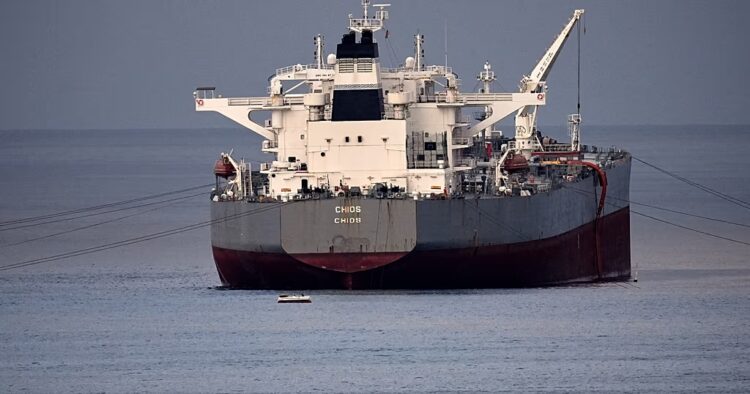
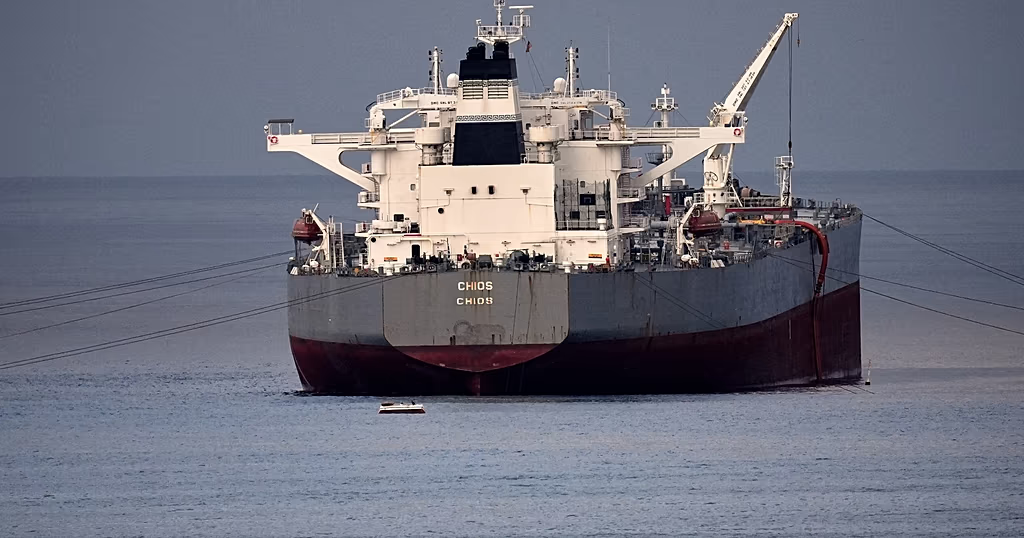
Strait of Hormuz crisis: War in the Middle East drives oil over $100
Comprehensive Summarization:
The article reports a significant surge in oil prices, with Brent crude reaching $107 a barrel, the highest level since 2022, due to escalating conflict in the Middle East. This price increase is attributed to Iran’s recent political developments, including the appointment of the late Supreme Leader’s son as the new head of the Islamic Republic, which has deepened regional political uncertainty. Additionally, the article highlights the impact of recent attacks on around 10 vessels in or near the Strait of Hormuz, a strategic waterway, following Iran’s move to block it in response to US-Israeli airstrikes. These events collectively underscore heightened geopolitical tensions affecting global energy markets and travel industry dynamics.
Key Points:
Actionable Takeaways:
Oil Price Volatility Impact on Travel Industry: The surge in oil prices could lead to increased travel costs for airlines and other transportation sectors, potentially affecting consumer travel behavior and industry profitability. Travel companies may need to adjust pricing strategies or invest in fuel-efficient technologies to mitigate costs.
Geopolitical Risks and Travel Planning: The political uncertainty in the Middle East, exacerbated by Iran’s actions, poses risks for international travel. Travel agencies and tour operators may need to reassess routes and destinations, advising clients on potential risks and insurance options to protect against geopolitical disruptions.
Investment in Fuel Efficiency and Renewable Energy: The heightened focus on oil price volatility suggests an opportunity for travel companies to invest in fuel-efficient vehicles and renewable energy sources. This could reduce long-term operational costs and align with global sustainability trends, enhancing the industry’s resilience against future energy price shocks.
Contextual Understanding:
The article reflects current geopolitical tensions and their direct impact on global energy markets, a critical factor influencing the travel industry. The surge in oil prices is a direct consequence of geopolitical events, such as Iran’s political developments and its blockade of the Strait of Hormuz. These developments underscore the vulnerability of global energy supply chains to political instability, a factor that travel companies must consider when planning routes and pricing strategies. Additionally, the article highlights the importance of technological innovation in mitigating the impact of rising oil prices, aligning with broader industry trends towards sustainability and efficiency. Thought leaders emphasize the need for travel companies to stay agile, leveraging technology and strategic planning to navigate geopolitical risks and maintain operational stability.
Handling Different Article Types:
The article in question is a news brief, providing factual information on recent developments in oil prices and geopolitical events affecting the travel industry. The structured output format ensures that the summary, key points, and actionable takeaways are presented in a clear and professional manner, suitable for a professional audience. The content is strictly sourced from the article, adhering to the facts and context provided without introducing external information or speculative analysis.
Read the Complete Article.
Boutique Travel VC raises investment cap from $1.5M to $10M to lead rounds and support portfolio companies through growth Travel...
Read moreDetails



Comprehensive Summarization: The article from the Nepal Police's Central Investigation Bureau (CIB) reveals one of the largest insurance frauds in...
Read moreDetails
