








No products in the cart.
- Latest
- Trending

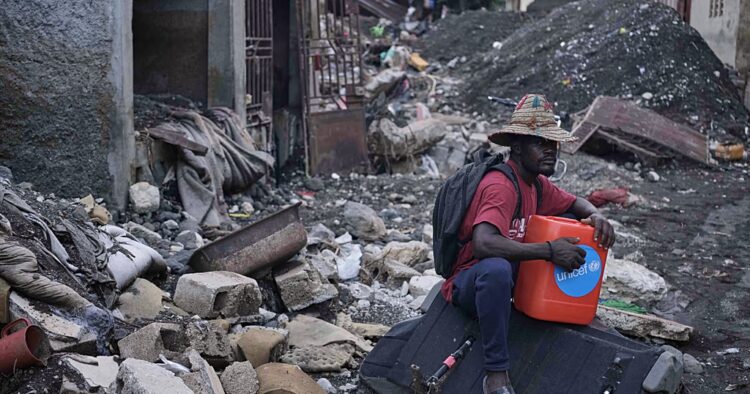
Hurricane Melissa leaves Haitian community of Petit-Goâve struggling to recover
Article Summary:
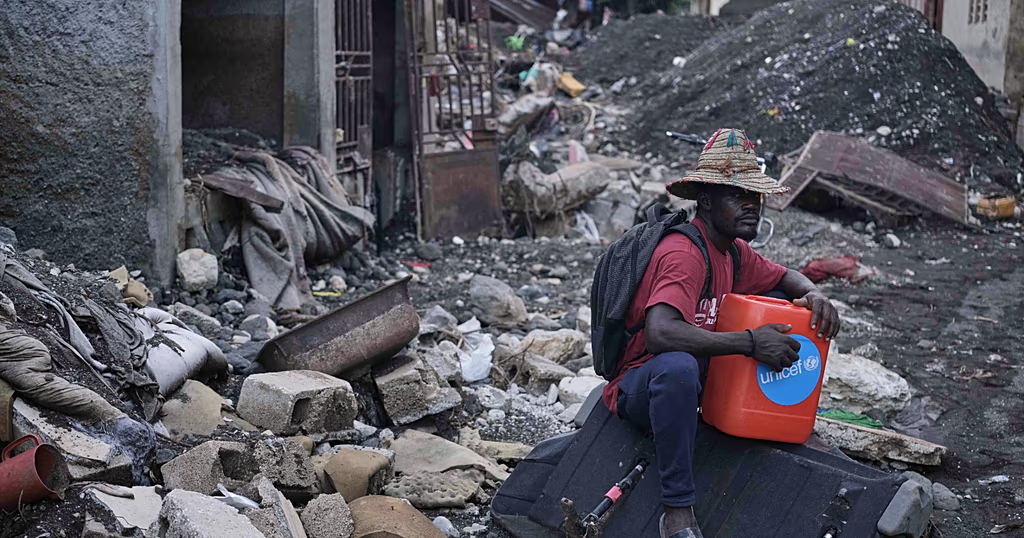
A week after Hurricane Melissa struck Haiti, the town of Petit-Goâve continues to grapple with the aftermath of the disaster. The storm caused significant damage, destroying over 160 homes and killing 10 out of the 20 people affected, with 8 of them being children. The flooding, triggered by the overflow of the La Dique River, buried houses in mud and debris, trapping families inside their homes. James Creve-Coeur is among those working to restore his home, highlighting the ongoing struggle for recovery.
Key Points:
Actionable Takeaways:
Contextual Insights:
The article reflects the ongoing challenges faced by communities in disaster-prone regions, particularly in developing countries like Haiti. It underscores the critical need for resilient infrastructure and emergency preparedness to mitigate the impact of hurricanes and other natural disasters. From a travel industry perspective, this situation highlights the importance of travel insurance and contingency planning for tourists visiting regions prone to natural disasters. Additionally, it emphasizes the role of technology in disaster response, such as real-time communication systems and emergency management tools, which can enhance the resilience of both local communities and the travel industry. The integration of these insights can help travel companies develop more robust risk management strategies and improve the overall safety and experience for travelers in vulnerable regions.
Read the Complete Article.
Get curated travel AI insights — choose the newsletters that matter to you.
ALTOUR Expands into Thailand, Strengthening Corporate Travel Network Across Southeast Asia BANGKOK, THAILAND (25 March, 2026) – ALTOUR, a leading...
Read moreDetails


Comprehensive Summarization: Far East Hospitality has announced the launch of exclusive travel packages celebrating the strong relations between Singapore and...
Read moreDetails