
















Travel Capitalist Ventures Expands Check Size to $10 Million to Deepen Emerging Market Conviction
Boutique Travel VC raises investment cap from $1.5M to $10M to lead rounds and support portfolio companies through growth Travel...
Read moreDetails
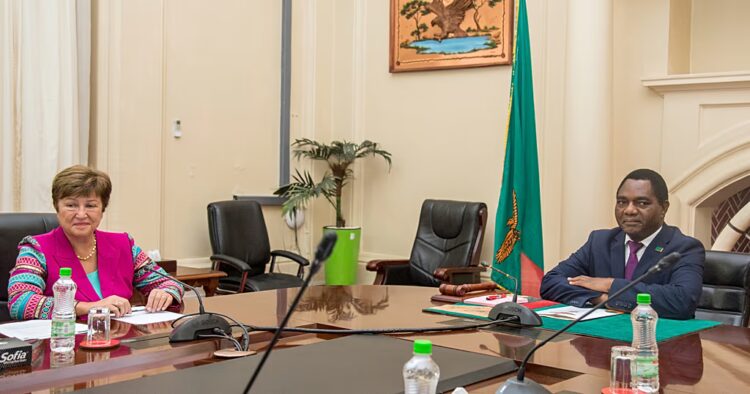
IMF expects talks with Zambia on new financial package to start in April
Comprehensive Summarization:
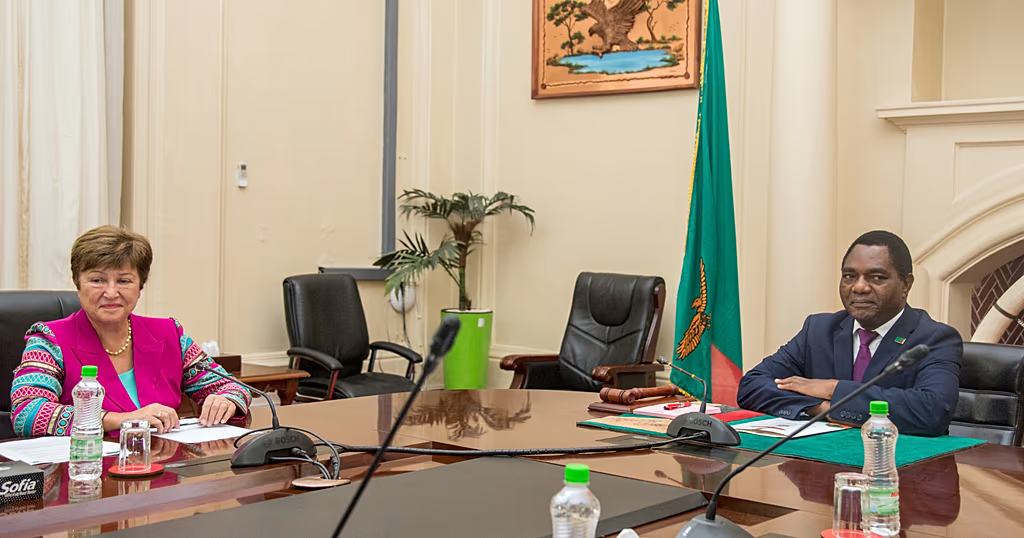
The International Monetary Fund (IMF) announced on Thursday that discussions with Zambia regarding a new loan program may commence in April. However, the lender emphasized that an agreement is anticipated only post Zambia’s elections in August. Zambia’s last program with the IMF, a $1.7 billion facility agreed in 2022, concluded in January. President Hakainde Hichilema, who is likely to seek a second term, has expressed interest in a new package from the IMF. Zambia recently finalized debt restructuring agreements with all its lenders last year.
Key Points:
Actionable Takeaways:
Potential Economic Boost: The initiation of a new IMF loan program could provide Zambia with much-needed financial support, potentially stimulating economic growth and development. This could be particularly beneficial for the travel sector, which often benefits from improved economic conditions.
Political Stability: The upcoming elections in August may bring about political stability, which could positively influence investor confidence and foreign direct investment in Zambia. This stability could create a more favorable environment for travel and tourism businesses to thrive.
Focus on Debt Management: Zambia’s recent completion of debt restructuring agreements suggests a proactive approach to managing its debt. This could lead to improved credit ratings, making it easier for the country to secure loans in the future. For the travel industry, this could translate to more accessible financing options for infrastructure development and expansion.
Contextual Insights:
The article’s context is rooted in Zambia’s economic and political landscape, particularly its relationship with international financial institutions like the IMF. The potential new loan program reflects Zambia’s ongoing efforts to manage its debt and stimulate economic growth. In the context of the travel industry, such developments are crucial as they can impact travel demand, investment in tourism infrastructure, and overall economic stability. Thought leaders in the travel sector would likely emphasize the importance of political stability and economic reforms in fostering a conducive environment for travel and tourism growth. The IMF’s involvement also underscores the global interconnectedness of economies, where financial policies in one country can have ripple effects on others, including the travel industry.
Read the Complete Article.
Boutique Travel VC raises investment cap from $1.5M to $10M to lead rounds and support portfolio companies through growth Travel...
Read moreDetails



— In short: Major airlines raise fares and fees due to Iran conflict-driven fuel cost surge. Airline Fee Increases The...
Read moreDetails