















Travel Capitalist Ventures Expands Check Size to $10 Million to Deepen Emerging Market Conviction
Boutique Travel VC raises investment cap from $1.5M to $10M to lead rounds and support portfolio companies through growth Travel...
Read moreDetails
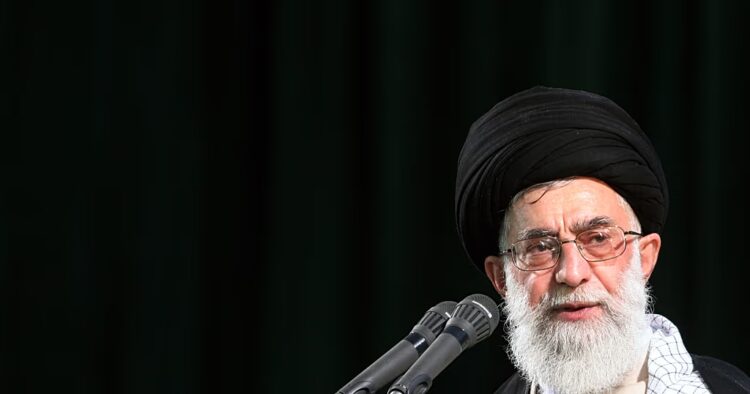
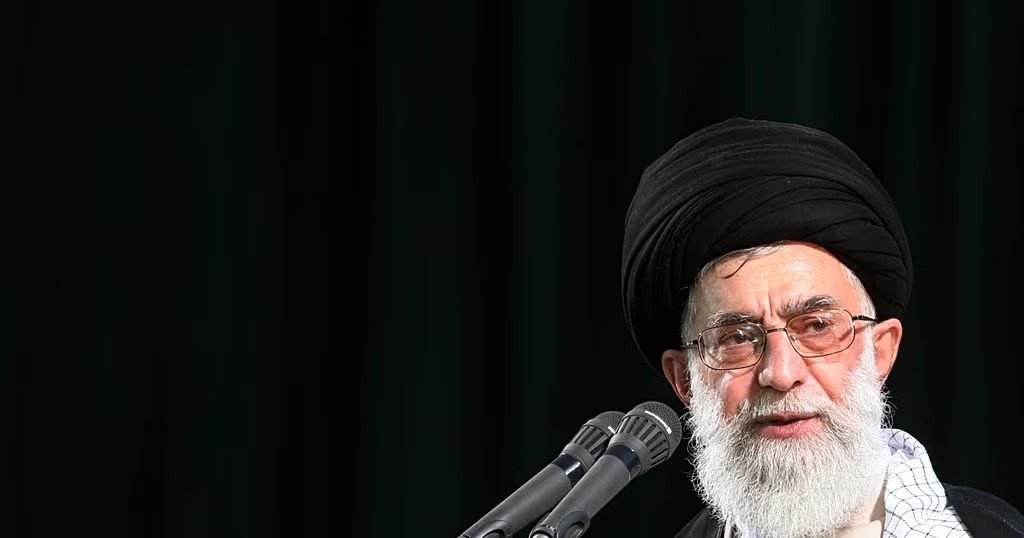
Iran: Life of supreme leader Ayatollah Ali Khamenei
Comprehensive Summarization:
The article provides a detailed timeline of Ayatollah Ali Khamenei’s life, highlighting key events from his birth in 1939 to his rise as Iran’s spiritual guide and political authority in 1989. It underscores his pivotal role in Iran’s history, particularly his opposition to the shah, subsequent exile, and return to Mashhad in 1979. The article sets the stage for understanding Khamenei’s influence on Iran’s political landscape, which is crucial for a professional audience in the travel industry, especially when considering geopolitical factors that may impact travel destinations and policies.
Key Points:
Actionable Takeaways:
Geopolitical Considerations for Travel: Understanding Khamenei’s influence is vital for travel professionals, especially when planning trips to Iran. The political climate under his leadership can significantly affect travel policies, visa requirements, and safety considerations for tourists and business travelers. Staying informed about Iran’s political developments is essential for mitigating risks and ensuring compliance with travel regulations.
Cultural Sensitivity in Travel Planning: Khamenei’s background as a spiritual leader and his influence on Iranian culture necessitate a culturally sensitive approach to travel planning. Travel agencies and tour operators should be aware of local customs, religious practices, and historical sensitivities when designing itineraries for destinations in Iran. This ensures a respectful and enriching experience for travelers while avoiding potential cultural faux pas.
Contextual Insights:
The article’s focus on Ayatollah Ali Khamenei’s life and political influence provides critical context for understanding the geopolitical landscape of Iran. In the travel industry, this context is essential for several reasons. Firstly, it informs travel professionals about potential risks and challenges associated with traveling to Iran, such as visa restrictions, security concerns, and cultural norms. Secondly, it highlights the importance of cultural sensitivity in travel planning, ensuring that travel experiences are respectful and enriching for both tourists and the local population. Lastly, the article underscores the need for continuous monitoring of political developments in Iran, as these can have immediate and significant impacts on travel policies and practices. By integrating these insights, travel companies can better navigate the complexities of the Iranian market, offering informed and responsible travel solutions to their clients.
Read the Complete Article.
Boutique Travel VC raises investment cap from $1.5M to $10M to lead rounds and support portfolio companies through growth Travel...
Read moreDetails



Comprehensive Summarization: VINCI Airports has reaffirmed its commitment to collaborating with the Royal Government of Cambodia to further develop the...
Read moreDetails