




No products in the cart.
- Latest
- Trending

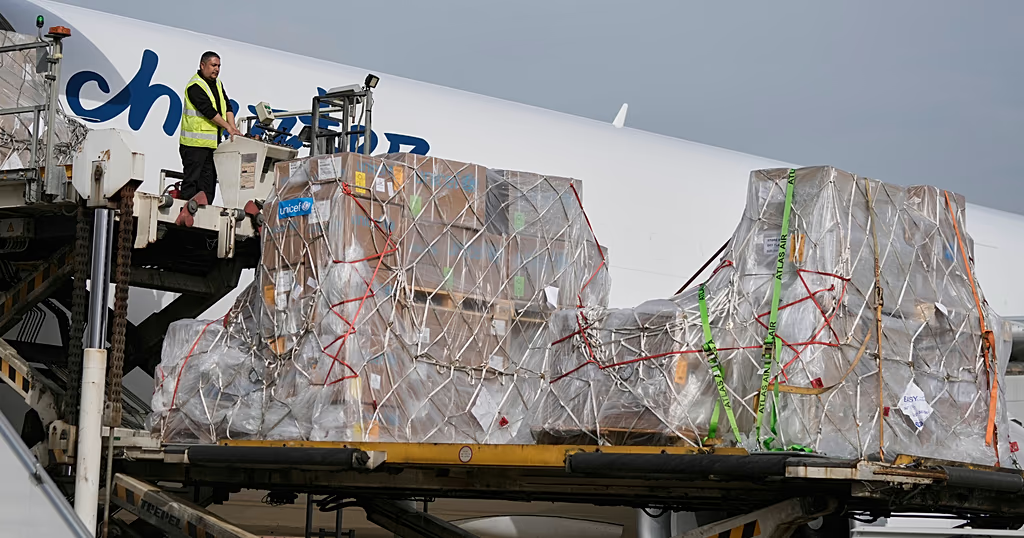
Aid groups warn Iran war is hindering food and medicine from reaching millions
Comprehensive Summarization:
The article highlights the severe impact of the ongoing war in the Middle East on humanitarian aid efforts. Aid organizations are struggling to deliver food and medicine to millions in need due to disrupted shipping routes, particularly the Strait of Hormuz, and increased costs associated with alternative routes. This disruption is exacerbating a global energy crisis and leading to higher transport costs, which in turn limits the amount of aid that can be delivered. The overall context underscores the deepening suffering if the conflict continues unabated.
Key Points:
Actionable Takeaways:
Increased Funding for Alternative Logistics: Given the significant rise in transport costs and the need for more reliable routes, there is an actionable need for increased funding and investment in alternative logistics solutions. This could include developing new shipping routes or technologies that reduce costs and improve delivery efficiency, thereby ensuring that aid reaches those affected by the conflict more effectively.
Enhanced Monitoring and Early Warning Systems: Implementing advanced monitoring and early warning systems for conflict zones can help predict and mitigate the impact of disruptions on aid delivery. By leveraging real-time data and predictive analytics, organizations can better anticipate route closures and adjust their logistics strategies proactively, minimizing delays and ensuring timely aid distribution.
Contextual Insights:
The article reflects the current state of humanitarian efforts in conflict zones, where traditional supply chains are increasingly vulnerable to geopolitical tensions. This situation is emblematic of broader trends in the travel and logistics industry, where volatility and uncertainty are becoming the norm. The emphasis on alternative logistics and real-time monitoring aligns with emerging travel tech innovations aimed at enhancing resilience and efficiency in supply chains. As the travel industry continues to evolve, integrating such technologies will be crucial for maintaining operational continuity and ensuring that critical services, such as humanitarian aid, are not compromised by geopolitical conflicts.
Read the Complete Article.
Get curated travel AI insights — choose the newsletters that matter to you.
ALTOUR Expands into Thailand, Strengthening Corporate Travel Network Across Southeast Asia BANGKOK, THAILAND (25 March, 2026) – ALTOUR, a leading...
Read moreDetails


Comprehensive Summarization: The article highlights the significant crisis facing the global travel industry due to geopolitical tensions at the Strait...
Read moreDetails