


No products in the cart.
- Latest
- Trending

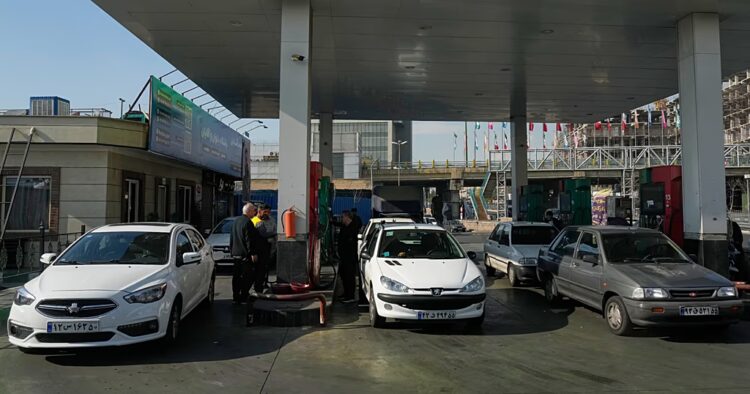
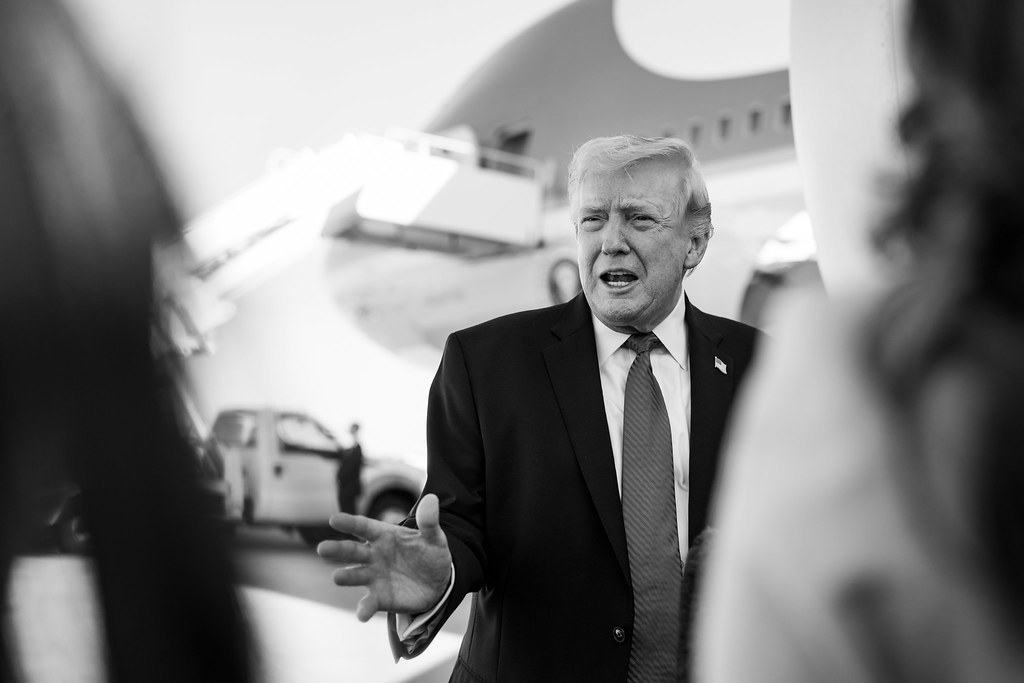
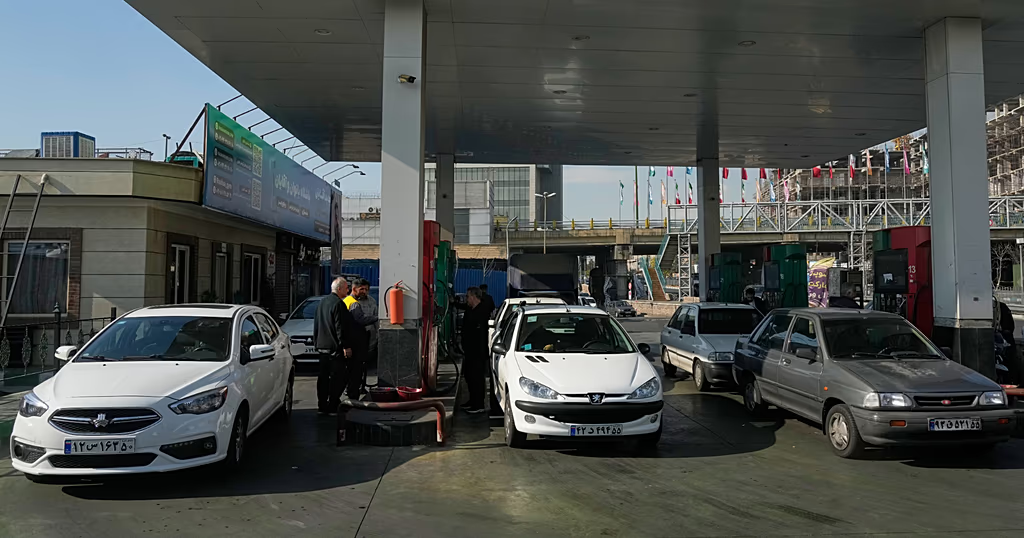
Iran raises gasoline prices for the first time since deadly 2019 protests
Article Summary:
Iran has introduced a new pricing tier for its nationally subsidized gasoline, aiming to address the rising costs that have led to nationwide protests since a price hike in 2019. This move comes as the country grapples with a rapidly depreciating rial currency and economic sanctions related to its nuclear program. The article highlights the historical significance of cheap gasoline in Iran, its role in sparking protests, and the current economic challenges faced by the theocracy.
Key Points:
Actionable Takeaways:
Contextual Insights:
The article’s context is deeply rooted in Iran’s ongoing economic challenges, marked by currency depreciation and international sanctions. These factors have historically fueled public unrest, as seen in past price hikes. The introduction of a new gasoline pricing tier is a direct response to these pressures, illustrating the delicate balance governments must maintain between economic stability and public welfare. From a travel industry perspective, such economic adjustments can ripple through the sector, affecting travel costs, consumer behavior, and the adoption of new technologies. Thought leaders in the travel industry should consider how these macroeconomic factors might influence consumer travel patterns, the demand for affordable transportation options, and the potential for innovation in travel tech and fintech solutions to mitigate economic impacts.
Read the Complete Article.
Get curated travel AI insights — choose the newsletters that matter to you.
ALTOUR Expands into Thailand, Strengthening Corporate Travel Network Across Southeast Asia BANGKOK, THAILAND (25 March, 2026) – ALTOUR, a leading...
Read moreDetails


Comprehensive Summarization: South Korea’s capital, Seoul, is introducing data-free zones in its most popular tourist attractions, aiming to eliminate expensive...
Read moreDetails