





No products in the cart.
- Latest
- Trending

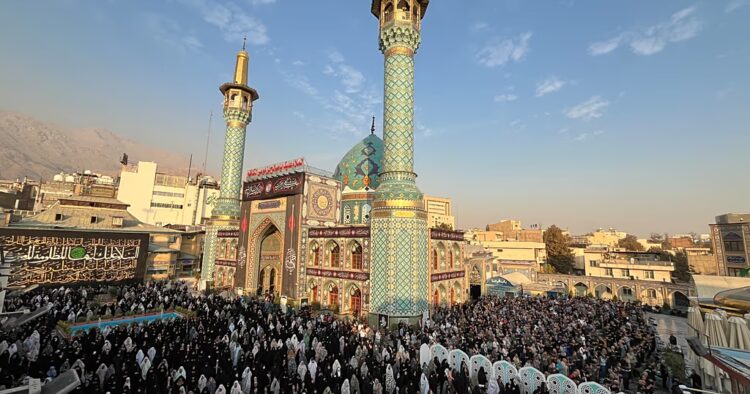
Iran scrambles to induce rain as years-long drought triggers water crisis
Article Summary:
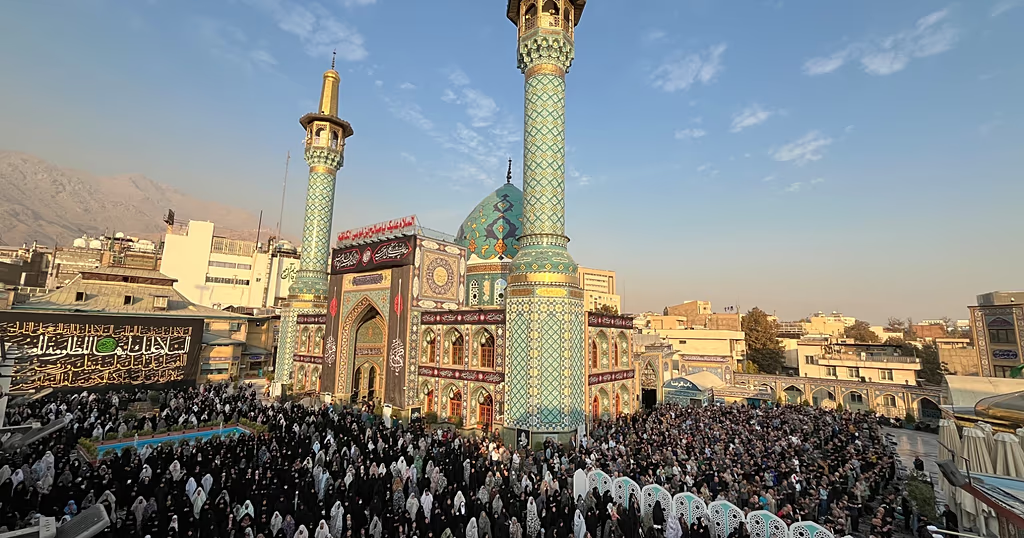
Iran has initiated experiments to induce rain in response to a severe drought-induced water crisis. A cloud-seeding flight was conducted over the country’s largest lake on Saturday, involving the spraying of particles like silver iodide and salt into clouds to trigger rain. The water scarcity situation is described as the worst in a decade, with public service announcements urging water conservation. The capital Tehran has reported water usage issues, as highlighted in the article.
Key Points:
Actionable Takeaways:
Contextual Insights:
The article reflects the current challenges faced by the travel industry in regions experiencing severe water scarcity, such as Iran. It underscores the importance of water conservation and the role of technological innovations in addressing environmental challenges. As climate change continues to impact water availability globally, the travel industry must adapt by incorporating sustainable practices and investing in technologies that ensure the longevity of travel destinations. This may involve partnerships with startups developing water-saving technologies or exploring alternative water sources for travel-related activities. The article also hints at the broader trend of integrating sustainability into travel planning, a trend that is likely to gain further traction as environmental concerns become more pronounced.
Read the Complete Article.
Get curated travel AI insights — choose the newsletters that matter to you.
ALTOUR Expands into Thailand, Strengthening Corporate Travel Network Across Southeast Asia BANGKOK, THAILAND (25 March, 2026) – ALTOUR, a leading...
Read moreDetails


Comprehensive Summarization: Kenya Airways is capitalizing on record travel demand and a recent financial turnaround to expand its global network....
Read moreDetails