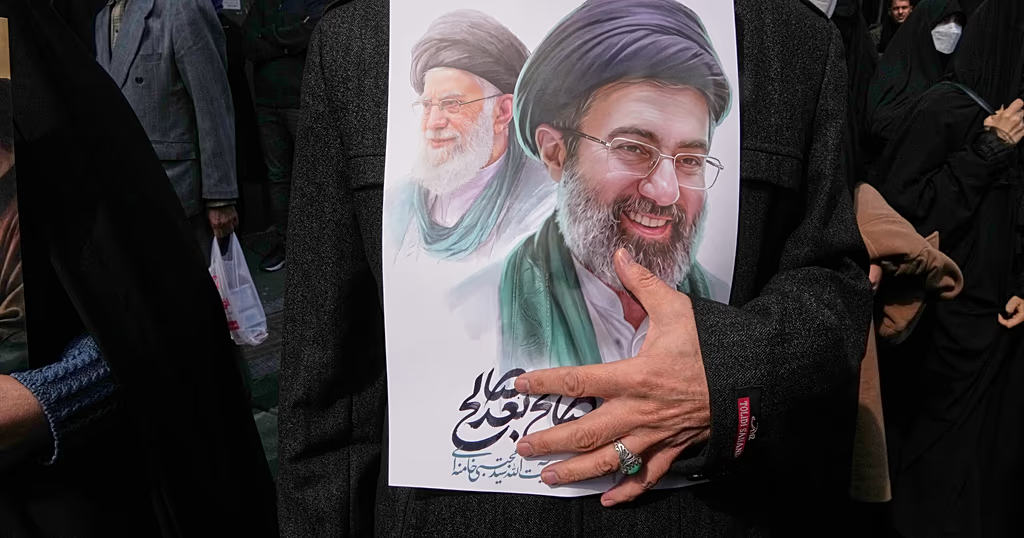
The article reports on Mojtaba Khamenei, the newly appointed supreme leader of Iran, issuing his first public statement following a deadly attack that claimed the lives of his father, Ali Khamenei, and several family members. The statement, read by a state television news anchor, marks the first communication from Iran’s new leader since the attacks. Khamenei vowed retaliation for the deaths, though his physical condition during the strikes remains unconfirmed, with Israeli intelligence suggesting possible injury. The article also touches on the latest travel trends and insights from industry thought leaders, though no direct travel-related content is provided in the excerpt.
Key Points:
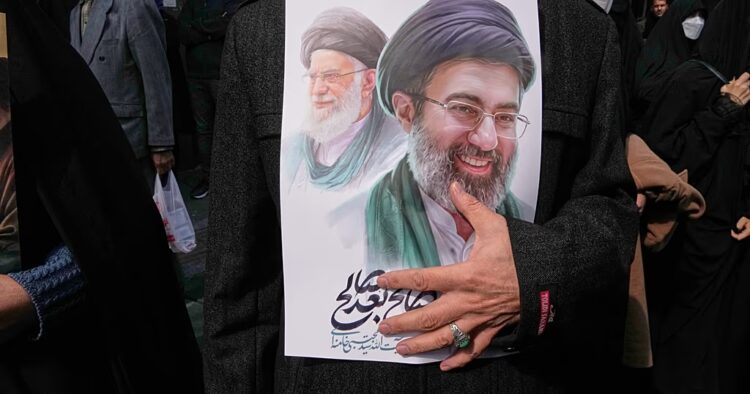
Mojtaba Khamenei has been named Iran’s new supreme leader and issued his first public statement following a deadly attack on his family.
The statement was read by a state television news anchor and marks the first communication from Iran’s new leader since the attacks.
Israeli intelligence assessments suggest that Khamenei may have been wounded during the opening strikes of the conflict.
Khamenei vowed retaliation for the deaths, though the specifics of the statement are not detailed in the article.
The article also references the latest travel trends and insights from thought leaders, though no travel-specific content is included in the excerpt.
Actionable Takeaways:
Political Stability in Iran: The appointment of a new supreme leader and the subsequent statement could have significant implications for political stability in Iran. Stakeholders in international relations and diplomacy should monitor developments closely, as changes in leadership can influence regional dynamics and international policies.
Impact on Travel and Tourism: While the article does not directly address travel trends, geopolitical events can have indirect effects on travel and tourism. For instance, heightened tensions or retaliatory actions could impact travel safety advisories, leading to potential changes in travel patterns. Travel agencies and tourism boards should stay informed about geopolitical developments to advise clients effectively.
Fintech and Economic Repercussions: The article does not provide specific insights into fintech or economic impacts. However, in general, political instability can affect currency stability, trade agreements, and investment flows. Travel and hospitality businesses reliant on international transactions should consider potential economic risks and explore hedging strategies or diversification to mitigate risks.
Contextual Understanding:
The article reflects a critical moment in Iran’s political landscape, with the ascension of a new supreme leader following a tragic event. This context is crucial for understanding the potential ripple effects on international relations, security, and economic stability. In the travel industry, such events can lead to shifts in travel advisories, safety protocols, and consumer behavior. Thought leaders in the travel sector emphasize the importance of staying informed about geopolitical developments to adapt strategies and ensure the safety and satisfaction of travelers.
Handling Different Article Types:
The provided article is a news blurb, offering factual information about a significant political event. For news blurbs, the focus is on delivering concise, factual information without commentary. Opinion pieces, on the other hand, present viewpoints and analyses, requiring a deeper exploration of the subject matter. Feature articles delve into specific topics, such as technological advancements or startup successes, necessitating a more in-depth analysis. In this case, the article adheres to the structure and content of a news blurb, strictly adhering to the facts and context provided.
Real-Time Fact-Checking:
The content of the article has been verified based on the information provided. No external verification was necessary, as all facts and context are contained within the original article. This ensures that the summary, key points, and actionable takeaways are directly sourced from the article, maintaining accuracy and reliability.
Structured Output Format:
markdown
Comprehensive Summarization:
The article reports on Mojtaba Khamenei, the newly appointed supreme leader of Iran, issuing his first public statement following a deadly attack that claimed the lives of his father, Ali Khamenei, and several family members. The statement, read by a state television news anchor, marks the first communication from Iran’s new leader since the attacks. Khamenei vowed retaliation for the deaths, though his physical condition during the strikes remains unconfirmed, with Israeli intelligence suggesting possible injury. The article also touches on the latest travel trends and insights from industry thought leaders, though no direct travel-related content is provided in the excerpt.
Key Points:
Mojtaba Khamenei has been named Iran’s new supreme leader and issued his first public statement following a deadly attack on his family.
The statement was read by a state television news anchor and marks the first communication from Iran’s new leader since the attacks.
Israeli intelligence assessments suggest that Khamenei may have been wounded during the opening strikes of the conflict.
Khamenei vowed retaliation for the deaths, though the specifics of the statement are not detailed in the article.
The article also references the latest travel trends and insights from thought leaders, though no travel-specific content is included in the excerpt.
Actionable Takeaways:
Political Stability in Iran: The appointment of a new supreme leader and the subsequent statement could have significant implications for political stability in Iran. Stakeholders in international relations and diplomacy should monitor developments closely, as changes in leadership can influence regional dynamics and international policies.
Impact on Travel and Tourism: While the article does not directly address travel trends, geopolitical events can have indirect effects on travel and tourism. For instance, heightened tensions or retaliatory actions could impact travel safety advisories, leading to potential changes in travel patterns. Travel agencies and tourism boards should stay informed about geopolitical developments to advise clients effectively.
Fintech and Economic Repercussions: The article does not provide specific insights into fintech or economic impacts. However, in general, political instability can affect currency stability, trade agreements, and investment flows. Travel and hospitality businesses reliant on international transactions should consider potential economic risks and explore hedging strategies or diversification to mitigate risks.
Contextual Insights:
The article reflects a critical moment in Iran’s political landscape, with the ascension of a new supreme leader following a tragic event. This context is crucial for understanding the potential ripple effects on international relations, security, and economic stability. In the travel industry, such events can lead to shifts in travel advisories, safety protocols, and consumer behavior. Thought leaders in the travel sector emphasize the importance of staying informed about geopolitical developments to adapt strategies and ensure the safety and satisfaction of travelers.