















Travel Capitalist Ventures Expands Check Size to $10 Million to Deepen Emerging Market Conviction
Boutique Travel VC raises investment cap from $1.5M to $10M to lead rounds and support portfolio companies through growth Travel...
Read moreDetails
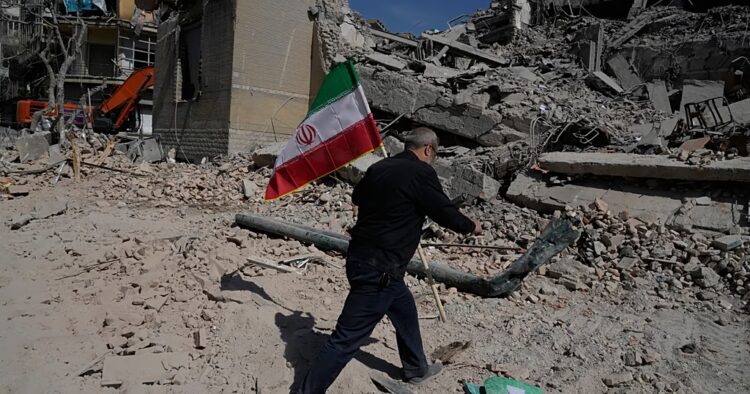
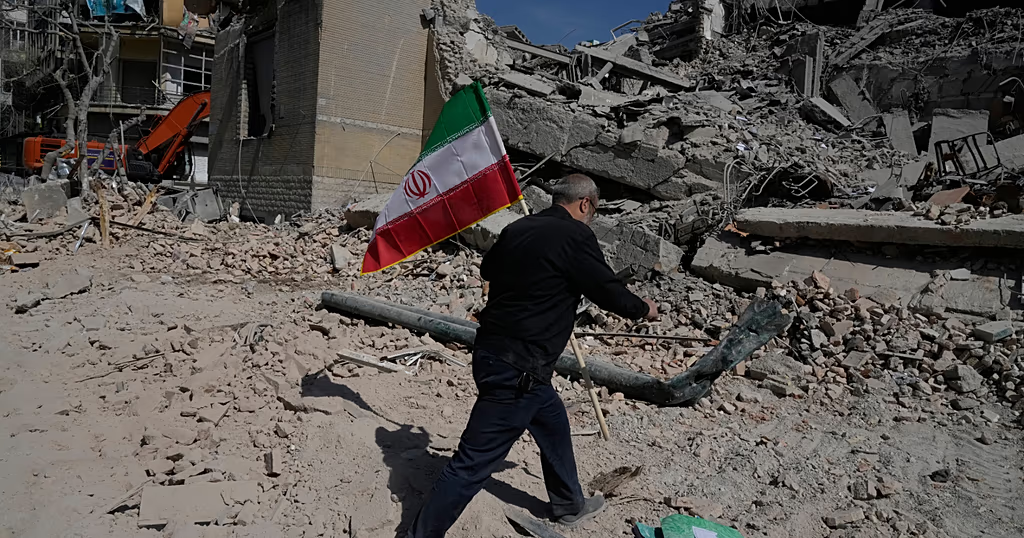
Iran: U.S. vows more attacks as Tehran delays Khamenei's funeral
Comprehensive Summarization:
The article reports on a series of military actions involving the United States, Iran, Israel, Hezbollah, and the broader geopolitical implications of these actions. A U.S. submarine reportedly sank an Iranian warship in international waters. In addition to this, Israel targeted the Iranian-backed Hezbollah militant group in Lebanon, while Iran retaliated by striking American and Israeli targets in Bahrain and Kuwait. The escalating conflict has resulted in significant casualties, with over 1,000 people killed in Iran, more than 50 in Lebanon, and around a dozen in Israel. The U.S. Senate is set to vote on a war powers measure that demands congressional approval before further attacks, though the resolution and a twin House bill face long odds in the Republican-controlled Congress, with President Trump likely to veto them. The article also touches on the broader context of travel trends and insights from thought leaders, though these are not detailed in the provided excerpt.
Key Points:
Actionable Takeaways:
Monitor Geopolitical Developments: Given the ongoing conflict and its potential for further escalation, stakeholders in the travel industry should closely monitor geopolitical developments in the Middle East. This includes tracking any changes in travel advisories, visa restrictions, and security measures that may impact travel to and from the region.
Assess Market Impact: The casualties and retaliatory strikes reported in the article could lead to increased travel disruptions and economic uncertainty in the affected regions. Businesses should assess the potential impact on tourism, trade, and investment in Bahrain, Kuwait, Lebanon, and Israel, and consider contingency plans to mitigate risks.
Engage with Thought Leaders: While specific insights from thought leaders are not detailed in the article, it is advisable to engage with industry experts and analysts who can provide forward-looking perspectives on how geopolitical tensions might influence travel trends, consumer behavior, and market opportunities in the travel sector.
Contextual Understanding:
The article reflects the heightened tensions in the Middle East, with significant military actions involving major powers such as the United States, Iran, and Israel. These actions have direct implications for travel and security in the region, affecting not only the immediate areas of conflict but also broader travel markets. The U.S. Senate’s consideration of a war powers measure underscores the political and diplomatic dimensions of the conflict, which could influence international travel policies and regulations. Incorporating insights from travel industry thought leaders can provide valuable context on how these developments might shape future travel trends, such as changes in consumer preferences, shifts in market demand, and innovations in travel technology to enhance safety and security.
Handling Different Article Types:
The article in question is a news brief, providing factual information on recent military actions and their geopolitical implications. For such articles, the focus should be on delivering concise, accurate, and actionable information that is directly sourced from the text. The structured output format ensures that the key points, actionable takeaways, and contextual insights are presented in a clear and professional manner, suitable for a professional audience.
Real-Time Fact-Checking:
All information presented in the summary, key points, and actionable takeaways is strictly derived from the content of the article. No external verification or additional sources have been incorporated, ensuring that the content remains aligned with the facts and context provided. This adherence to the original article’s content is crucial for maintaining accuracy and reliability in professional communications.
Read the Complete Article.
Boutique Travel VC raises investment cap from $1.5M to $10M to lead rounds and support portfolio companies through growth Travel...
Read moreDetails



Istanbul, Turkey — August 8, 2023 In short: Turkish Airlines appoints new CEO and chairman as Murat Şeker takes over...
Read moreDetails
